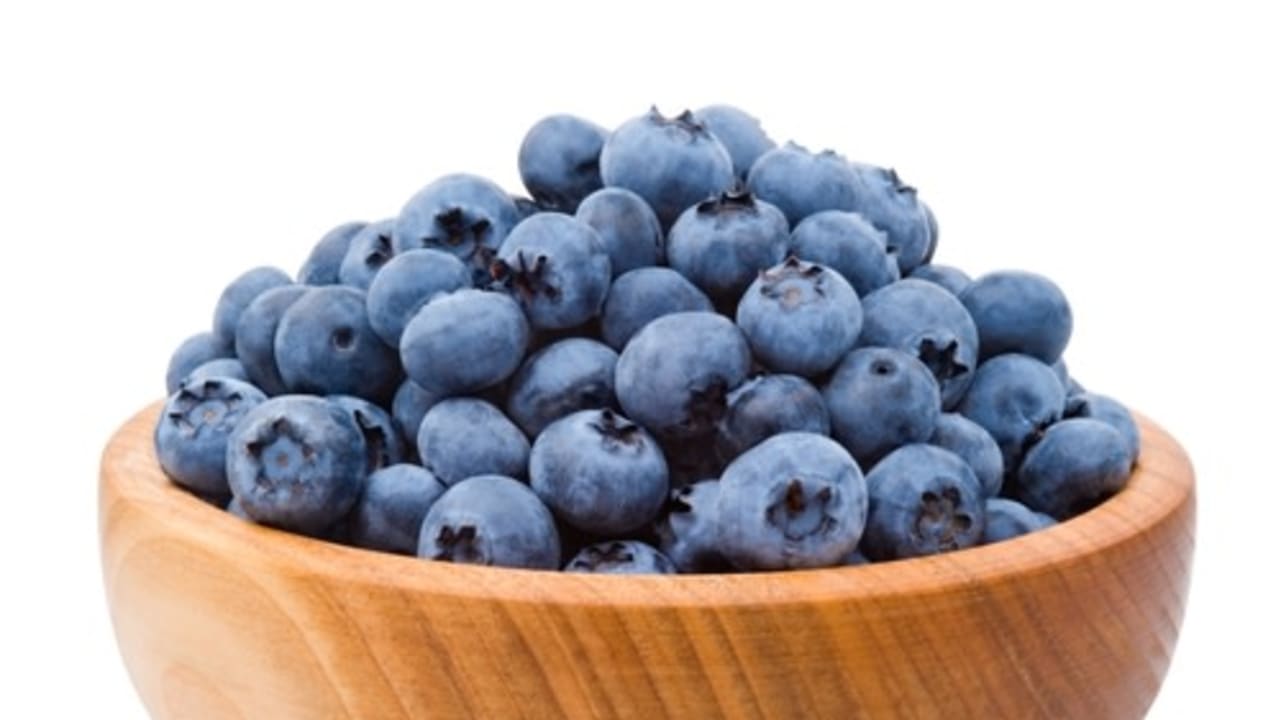
Blueberries are not just another “superfood”. A recent scientific review suggests that they may contribute to heart, brain and gut health, and thanks to freezing, they are available and nutritious all year round.
Almost every superfood list includes berries, and not by chance. They are packed with fiber, vitamin C and antioxidants. Blueberries, in particular, are rich in anthocyanins: Natural compounds that give them their deep blue color and have been linked to a reduced risk of disease.
The review was published in the journal Critical Reviews in Food Science and Nutrition.
Blood Vessel Health:
Wild blueberries may support endothelial function – the inner layer of blood vessels – which is important for proper blood flow, blood pressure regulation and inflammation. Proper endothelial function is associated with a lower risk of heart disease.
Gut Health:
The breakdown products of anthocyanins in the gut contribute to microbiome balance, reduce inflammation and may lower the risk of metabolic diseases.
Brain Health:
Evidence was found for improvements in thinking speed and memory.
It is worth noting that the studies focused on wild blueberries (Lowbush blueberries) – not the cultivated, larger blueberries found on fruit shelves. Wild blueberries are smaller and are usually sold frozen. They are frozen within 24 hours of harvest, which helps preserve flavor and nutritional values, unlike fresh fruit that reaches stores weeks after picking.
Studies have shown that wild blueberries contain: Twice the antioxidants – about 33% more anthocyanins compared to cultivated blueberries. However, regular blueberries are also very healthy and even contain more vitamin C per cup.
How to Incorporate Into the Diet? Frozen blueberries are available all year round and are suitable for smoothies, porridge, yogurt and even savory dishes such as chicken, salmon and salads. Other fruits rich in anthocyanins include pomegranates, blackberries, cherries, elderberries and black rice.