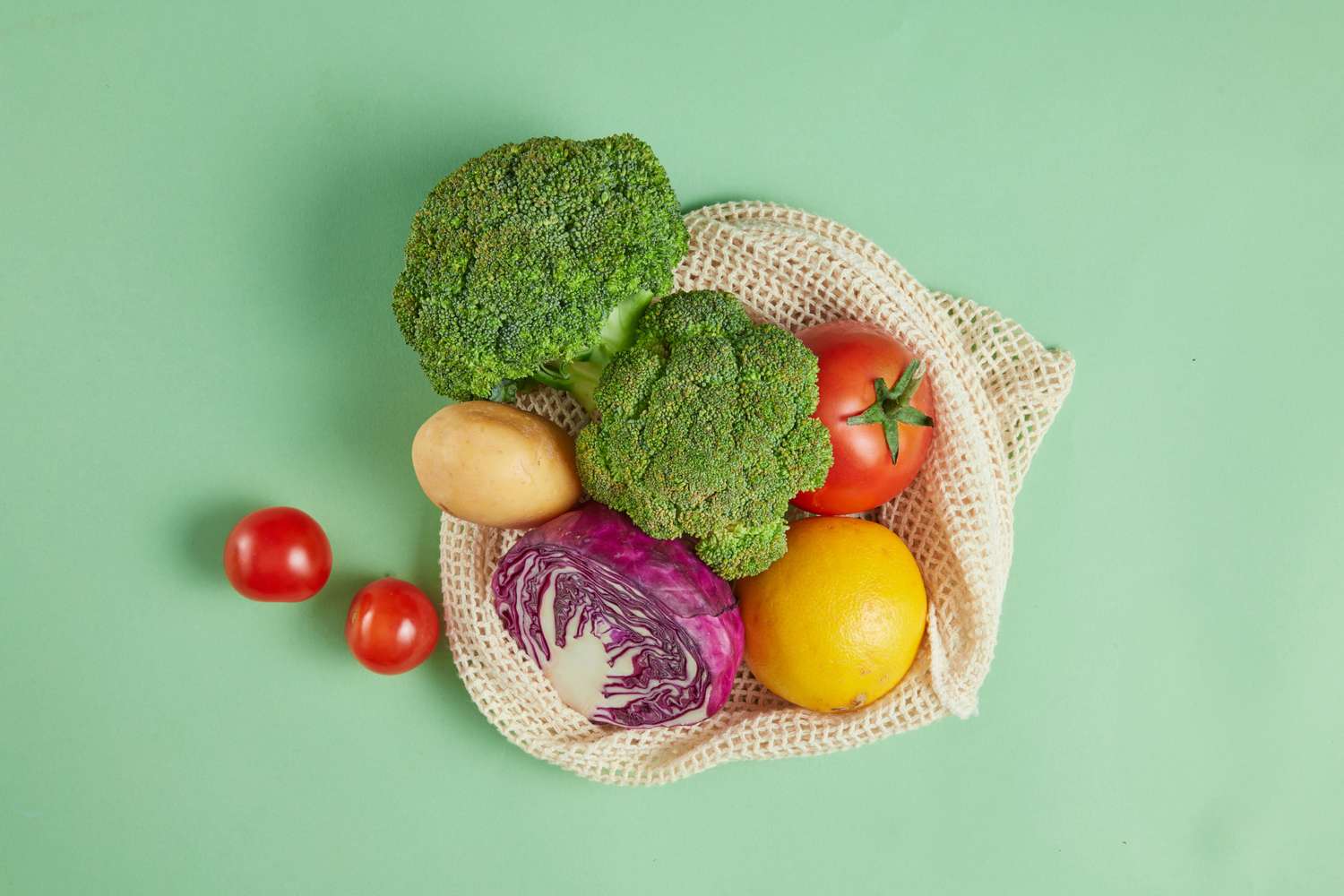
Many people associate vitamin C with citrus fruits like oranges and grapefruit, but you can also meet your daily recommended vitamin C intake with vegetables. Women need 75 milligrams (mg) of vitamin C daily, while men require 90 mg. If you’re looking to boost your immune system this season, then add these vegetables to your next meal.
1. Red Bell Peppers
Serving: 3.5 ounce (oz) red bell pepper, raw
Vitamin C: 142 mg
Daily value: 189% for women, 158% for men
Crunchy, fresh, and hydrating: red bell peppers are a nutritious snack, and have some of the highest vitamin C levels of any vegetable. They provide well over your daily value in one serving.
2. Green Bell Peppers
Serving: 3.5 oz green bell pepper, raw
Vitamin C: 99.5 mg
Daily value: 133% for women, 111% for men
Green bell peppers are actually unripe red bell peppers—their color changes as they ripen. In addition to changing the vegetable’s color, the ripening process also increases its vitamin C levels and makes it slightly sweeter.
3. Broccoli
Serving: 3.5 oz, raw
Vitamin C: 91 mg
Daily value: 121% for women, 101% for men
In addition to vitamin C, which helps your immune system and eyes, broccoli offers numerous health benefits. It’s high in fiber, which is good for gut and heart health. It also contains minerals, such as calcium, potassium, and iron, as well as vitamins A and K.
4. White Potatoes
Tatiana Volgutova / Getty Images
Serving: 1 medium potato, baked
Vitamin C: 21.8 mg
Daily value: 29% for women, 24% for men
One baked white potato provides about a quarter of your daily recommended vitamin C intake. Steaming or baking potatoes will help retain vitamin C (and other nutrients) better than frying and other high-heat cooking methods.
5. Sweet Potatoes
Serving: 1 large sweet potato, baked
Vitamin C: 35.3 mg
Daily value: 47% for women, 39% for men
Sweet potatoes provide slightly more vitamin C than white potatoes. They’re also higher in vitamin A, which can help promote healthy eyes and further boost your immune system.
6. Tomatoes
marcin_lazarczyk / 500px / Getty Images
Serving: 1 cup of grape tomatoes
Vitamin C: 41.3 mg of vitamin C
Daily value: 55% for women, 46% for men
Tomatoes are technically a fruit, not a vegetable, but most people treat them as a vegetable for cooking because of their savory, fresh flavor.
You can get about half of your daily vitamin C intake from one cup of tomatoes, whether you chop them for a salad, eat them plain, puree them into a sauce, or drink them in tomato juice.
7. Brussels Sprouts
Debby Lewis-Harrison / Getty Images
Serving: 3.5 oz, raw
Vitamin C: 143 mg
Daily value: 191% for women, 159% for men
One of the very best sources of vitamin C is Brussels sprouts, especially when eaten raw. Cooking Brussels sprouts reduces their vitamin C content. Choose steamed Brussels sprouts over roasted or fried to get the most vitamin C from each bite.
The outer leaves of a Brussels sprout also contain nearly 30% more than the core, so be sure to eat the whole vegetable.
8. Red Cabbage
aykut karahan / Getty Images
Serving: 1 cup, chopped and raw
Vitamin C: 50.7 mg
Daily value: 68% for women, 56% for men
Cabbage is another vitamin C-packed vegetable, and particularly red cabbage, which provides over half of your recommended daily intake.
Red cabbage is rich in antioxidants, such as anthocyanins, plant pigments that give cabbage its deep reddish-purple color. Antioxidants neutralize free radicals (unstable molecules in the body) and protect your cells from damage.
9. Cauliflower
HUIZENG HU / Getty Images
Serving: 3.5 oz, boiled
Vitamin C: 44.3 mg
Daily value: 59% for women, 49% for men
Cauliflower is another good source of vitamin C, although it doesn’t contain quite as much as its fellow cruciferous vegetable, broccoli. Cauliflower is also high in folate and potassium and is a particularly low-calorie, low-carb vegetable.
Due to its mild flavor, cauliflower can be a very versatile ingredient, whether you’re “ricing” it, mashing it, or roasting it with flavorful sauces and herbs.
10. Spinach
Максим Крысанов / Getty Images
Serving: 3.5 oz, boiled
Vitamin C: 9.8 mg
Daily value: 13% for women, 11% for men
Green, leafy vegetables like spinach are also decent sources of vitamin C. Most people associate spinach with being high in iron; however, the iron in spinach is poorly absorbed.
Instead, spinach provides over 10% of your daily vitamin C, along with being a good source of fiber as well as vitamins A, folate, vitamin K, and minerals like magnesium and potassium.
11. Kale
from_my_point_of_view / Getty Images
Serving: 3.5 oz, boiled
Vitamin C: 17.8 mg
Daily value: 24% for women, 20% for men
Often called a “superfood,” kale has many health benefits. It is also a good source of vitamins A and K, giving eye and bone health benefits, as well as fiber, which supports gut and heart health.
How Much Vitamin C Should You Eat Per Day?
Our bodies can’t produce vitamin C, so we have to get it from external sources, such as food, drinks, and supplements. It’s best to get your vitamin C from whole foods like fruits and vegetables, because these offer additional health benefits thanks to their other vitamins and nutrients.
The ideal vitamin C intake varies by age and sex. The daily recommended intake for adults is:
75 mg for women90 mg for men
Eating five servings of fruits and vegetables in a day can give you more than 200 mg of vitamin C. It’s safe to consume more than the recommended daily intake because vitamin C has low toxicity, and any excess will be excreted through your urine.
How Cooking Affects Vitamin C Levels
One thing to note is that cooking can deplete a food’s vitamin C content, because the fragile vitamin is destroyed by heat.
Many foods rich in vitamin C (like oranges, kiwis, and peppers) are eaten raw, so this isn’t a problem. But many vegetables, such as Brussels sprouts, cauliflower, and potatoes, are more often eaten cooked, which can alter their vitamin C content.
For example, consider the vitamin C levels in 3.5 oz of Brussels sprouts:
Generally, steaming and microwaving are gentler on vitamin C, whereas frying and roasting tend to deplete it more.