
Smith Collection/gado/Getty Images
The U.S. government has been issuing nutrition guidelines in some form or fashion since the late 1800s. Those first guidelines stressed many of the same things that guidelines do today — eating in moderation and a variety of foods, for example. By 1916, the USDA food guides had broken down foods into five groups: milk and meat, cereals, vegetables and fruits, fatty foods, and sugary foods — not quite the food groups we know today, but we were on our way. Over time, the guidelines evolved as nutritional research did. The food pyramid that many of us learned about in elementary schools was released in the 1990s, then replaced with MyPlate in 2011, which was intended to better and more clearly convey suggested serving sizes.
Most recently, the Trump administration overhauled the U.S. Dietary Guidelines, bringing back a pyramid (although now an inverted one). The administration claimed that, in the past, government guidelines prioritized “low quality, highly processed foods” and that the new guidelines are “the truth.” (The administration points to the 1992 food pyramid as evidence of this, which does admittedly place bread and pasta at the bottom of the pyramid and could feasibly lead some to believe they should get the majority of their calories from such highly processed foods.) So, what do Trump’s new nutrition guidelines say that Americans should eat more of? Here’s what you need to know.
1. Full-fat dairy

BJ Day Stock/Shutterstock
The new guidelines recommend opting for full-fat dairy products (specifically over low or fat-free), citing their healthy fat content, proteins, vitamins, and minerals. If you’re eating 2,000 calories per day, the guidelines advise eating three servings of this full-fat dairy daily.
However, one Harvard T.H. Chan School of Public Health faculty member, who actually served on the Dietary Guidelines for Americans advisory committee, questioned this suggestion. Teresa Fung, adjunct professor of nutrition, said that eating three servings of full-fat dairy daily could lead to concerns regarding saturated fat. On top of this, Fung noted that many individuals don’t eat dairy at all, due to cultural or medical reasons, and those individuals can simply get the same nutrients elsewhere, without making it a point to increase their full-fat dairy consumption.
Additionally, the American Heart Association released a statement the same day that the new guidelines came out, and noted that, while there was some good in the guidelines, the association still recommends low-fat and fat-free dairy products instead of full-fat dairy. Again, this all comes down to saturated fats and heart health.
2. Yogurt
Brandon Bell/Getty Images
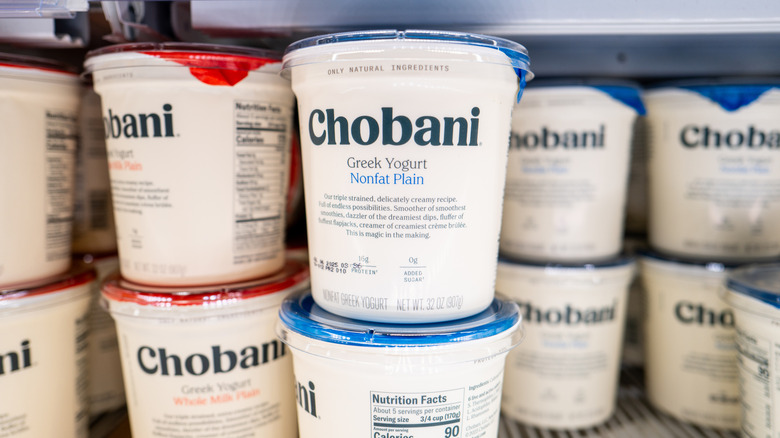
Similarly, yogurt was also called out as a healthy fat that Americans could potentially prioritize. However, it’s important to note that when talking about dairy, the guidelines do specify that you should be looking for dairy with no added sugars included. In fact, they even go so far as to say that no amount of added sugars are welcome in a truly healthy, nutritious diet, and advise parents to completely avoid giving added sugars to children under the age of five.
This goal can be a little bit tricky when it comes to yogurt specifically. “Added sugars” refers to any sugar whatsoever that’s added to a food and is not naturally occurring — and a lot of yogurt on the market is chockfull of it. One study by the School of Food Science and Nutrition at University of Leeds, entitled “Evaluation of the nutrient content of yogurts: a comprehensive survey of yogurt products in the major U.K. supermarkets,” found that, save for natural and Greek yogurt, sugar is responsible for the majority of calories in all other yogurt. Additionally, shortly after the study came out, the U.K. government noted that yogurt was one of the top foods adding to children’s sugar intake, after foods like soda and fruit juice.
3. Red meat
Vladimir Mironov/Getty Images
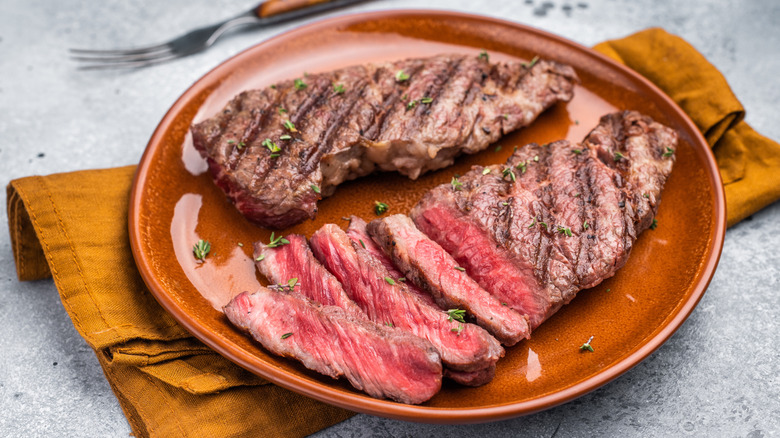
If you stay somewhat attuned to food and nutrition trends on social media, then you’ve probably noticed the big push over the last few years for protein. Every influencer is telling you to eat more, more, more protein. You see the push on the grocery store shelves, too, with packaging declaring that the products within newly contain tons of extra protein (even if maybe no one necessarily asked for items like protein-infused Pop-Tarts or high-protein Aldi finds like protein pancakes and waffles, or protein wraps).
The new nutrition guidelines likewise are pushing protein — specifically red meat — but some experts don’t necessarily agree. For example, Harvard’s Teresa Fung said in an interview that most Americans are already getting all the protein they need, and that the guidelines can feel a bit misleading. Others noted that the guidelines also recommend keeping fat to 10% of your caloric intake, a recommendation that doesn’t really jive with adding more red meat to your diet. Similarly, the American Heart Association worried that, if individuals increase their red meat consumption, they may end up eating too much cardiovascular disease-linked saturated fat. Instead, the organization continued to emphasize the consumption of lean meats, seafood, and plant-based protein.
4. Butter

gresei/Shutterstock
Just like red meat, butter comes in as one of the foods that the new nutrition guidelines recommend eating more of, but if you’re eating more butter and red meat, it’s unlikely you’ll be able to simultaneously keep fat consumption to the less than 10% of your daily calories that the guidelines also suggest. Still, the guidelines group butter right alongside olive oil as a preferred cooking fat option.
The push makes sense when you consider Robert F. Kennedy Jr.’s war on seed oils from the start, even going so far as to claim that they’re poisoning Americans. However, the idea that seed oils are inherently unhealthier than butter is a cooking oil myth you should stop believing. Seed oils run the gamut and some claims around them, like those related to inflammation, aren’t backed by a ton of great research, and seed oils contain unsaturated fat, compared to butter’s saturated fat.
In fact, one study published by JAMA Internal Medicine compared butter to plant-based oils, found that participants who ate the most butter had a 15% higher chance of dying (compared to those who ate the least butter), while participants who consumed the most plant oils had a 16% lower risk of dying (compared to those who ate the least plant oils). So, maybe don’t go switching out your plant and seed oils for all butter, all the time, just yet.
5. Beef tallow

Cavan-Images/Shutterstock
Beef tallow isn’t as common in kitchens as butter. However, it’s been a big focus for Robert F. Kennedy Jr., so it’s not a surprise that we see it mentioned in the new nutrition guidelines. Derived from cow fat, beef tallow is high in saturated fat, but that doesn’t stop the current guidelines from saying that beef tallow is a healthy fat that includes essential fatty acids, ranking next to both olive oil and butter — a claim that experts from Stanford say is a factual error, as olive oil, butter, and beef tallow all contain “negligible” amounts of essential fats.
Meanwhile, other experts have expressed concern that given this new endorsement for beef tallow, it could make the fatty ingredient more popular in settings outside of restaurants (Steak ‘n Shake has already moved over to use it in its fryers in lieu of vegetable oil) and home kitchens. In these settings — such as in prisons or schools — diners may have little choice but to eat the food served, thereby upping their saturated fat consumption without their consent. All that said, multiple experts who commented on the current rise in beef tallow agreed that, well, at least it tastes good.
6. Protein
Bit245/Getty Images
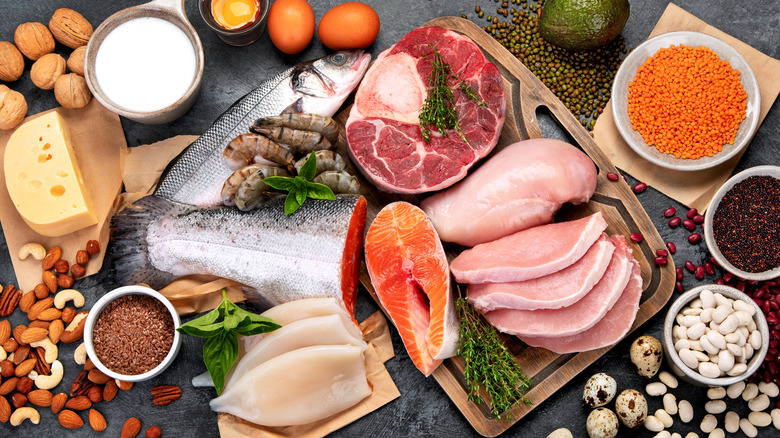
Beyond red meat, overall protein is also heavily emphasized in the new nutrition guidelines. The inverted pyramid puts protein right at the top, alongside vegetables. In fact, the new guidelines recommend that Americans up their daily protein consumption by as much as double what they had been ideally consuming previously, to up to 1.6 grams of protein per kilogram of body weight per day. The guidelines furthermore state that you should be putting protein front and center at every meal, eating a variety of animal and plant proteins, while avoiding deep frying and additives.
Again, though, experts noted that Americans are by and large eating enough protein as it is, and eating more could cause some to inadvertently consume more saturated fat and sodium. While these alone could cause health concerns, such as those related to cardiovascular health, excess protein can also increase the risk of diabetes. Meanwhile, some feel that this extensive focus on protein overlooks something else that Americans actually do need more of: fiber. More than 90% of women and 97% of men do not eat enough dietary fiber, according to a scholarly article published by the Nutrients Journal on the 2020–2025 dietary guidelines.
7. Olive oil

Mehes Daniel/Shutterstock
As already mentioned a few times, the new dietary guidelines list olive oil among the healthy fats that Americans should be consuming. While it is true that olive oil contains less saturated fat than some of your other options, there’s one thing that the guidelines get wrong. Olive oil is not a good source of essential fatty acids like the guidelines claim. Instead, you’ll actually get more essential acids from seed oils like canola oil or soybean oil.
Still, if it’s just a healthful oil that you’re after, you can’t go wrong with olive oil. The healthiest of all olive oils is the extra virgin variety, which has been minimally processed — a trait that the new nutrition guidelines say you should look for when picking out any food. In addition to being lower in saturated fat, olive oil also offers anti-inflammatory benefits, which can help reduce risk of a range of diseases, from Alzheimer’s to dementia. It may also improve blood vessel function and your gut microbiome.
8. Fiber-rich whole grains
Fcafotodigital/Getty Images
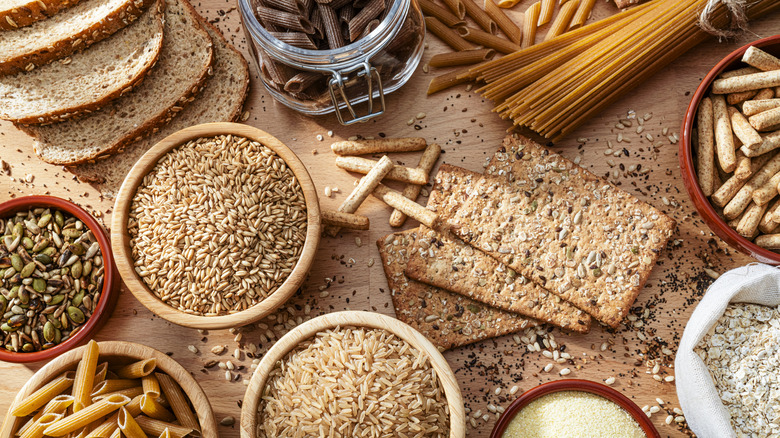
While bread is at the very bottom of the new food pyramid, the pyramid does encourage you to eat two to four servings of whole, fiber-rich grains per day. Meanwhile, it recommends reducing the amount of highly processed grain-derived foods you’re eating, such as white bread and flour tortillas, significantly. In the past, the old MyPlate system approved of eating a combo of half whole grains, half refined grains.
With whole grains, we get into a conundrum similar to what you might face when eating more yogurt per the new guidelines — not all whole grains are the same or even healthy. Just because a food is labeled as “whole grain,” it’s not automatically good for you, as some whole grain products may contain very little fiber or a lot of sugar, as well as decreased antioxidants. For the greatest health benefits, look for whole grains that are specifically high in fiber (per the current dietary guidelines), products that contain fewer ingredients overall, and whole grains that haven’t been processed into another product — such as brown rice or oats.
9. Eggs

tyasindayanti/Shutterstock
Today, the new dietary guidelines say to eat eggs for the protein and healthful fats, but, do you remember when eggs were severely villainized? Now, eggs may just get a bad rap due to high grocery prices, but for years, people thought that eggs were relatively unhealthy.
This misconception dates back to the 1960s, when the American Heart Association recommended Americans eat no more than three eggs per week, due to worries about cholesterol and its potential to cause heart disease. Unfortunately, the studies the recommendation was based on weren’t exactly ideal. Decades later, newer research showed that dietary cholesterol and heart disease are weakly linked, eggs have no correlation with heart disease, and they are actually pretty healthy. Today, the American Heart Association says to go ahead and eat your eggs (though they do say to keep it to one egg per day, as eggs do still contain cholesterol, which the association says comes with its risks). Modern research has shown that individuals who eat an average of one egg per day have a lower risk of heart disease and bleeding stroke.
10. Avocado
Aleksandargeorgiev/Getty Images
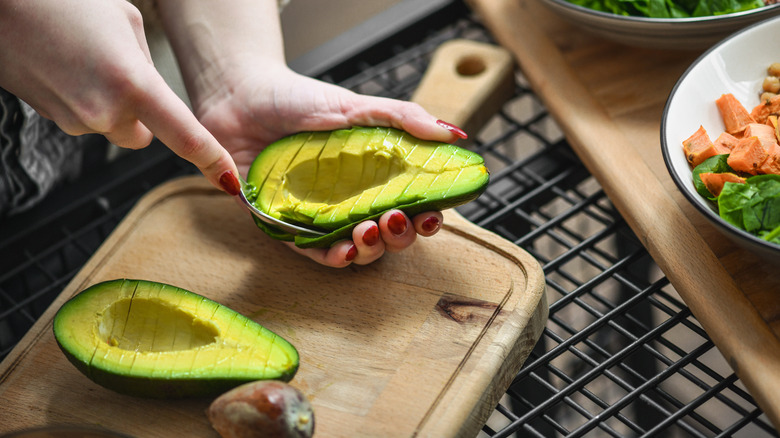
The new nutrition guidelines list avocados as a potential whole food fat source. Beyond the healthful fat, avocados are also a great source of a range of vitamins and nutrients. They have been linked to heart health, bone health, healthy vision, cancer prevention, mental health, and improved digestion.
However, it’s worth keeping in mind that even though the fat in avocados is considered healthy, eating too much of the fruit can still lead to undesired side effects such as unintended weight gain. If you’re worried about the extra calories, you can keep them in check while still enjoying the benefits of avocados by keeping consumption to no more than a third of an avocado per day.
Have an avocado you’d love to devour right now but it’s still not quite ready? You can ripen an avocado faster by placing it in direct sunlight or placing it in a paper bag with an apple, which can speed along the ripening process. While there are online hacks that tell you that you can ripen an avocado immediately by cutting it open, removing the pit, and then microwaving it or heating it in the oven, don’t fall for those myths. The avocado may turn soft, but the texture and flavor won’t be the same, as if you’d just had a bit of patience.
11. Cheese
Olga Yastremska/Getty Images
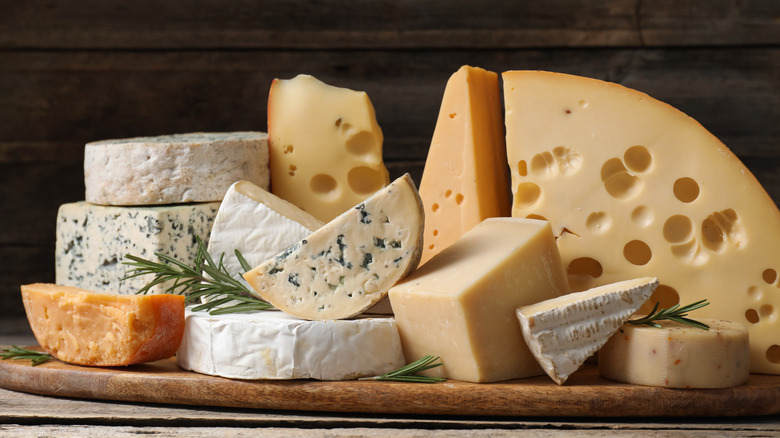
If you take a look at the new inverted food pyramid, you’ll likely notice that right up top and next to a giant steak is a big hunk of cheese. Among the full-fat dairy that the new guidelines promote is whole-fat cheese and, while some may promote low-fat and fat-free dairy products as better overall, whole-fat dairy has been correlated with lower cardiovascular risk, just like the low-fat and fat-free products.
As is the case with many recommended items in the new guidelines, though, not all cheese is the same. Some cheeses are healthier than others. For example, mozzarella generally is relatively lower in sodium and calories. Blue cheese is notably high in calcium. Swiss cheese is low in sodium and carbs, while goat cheese contains more medium-chain fatty acids than cheese made from cow’s milk. Ultimately, if you plan on adding more cheese to your diet due to the new guidelines (as if you even needed an excuse to do so), look for minimally processed cheeses that are high in protein and calcium, and low in fat and sodium.
12. Minimally processed foods
ChirilaSofi/Shutterstock
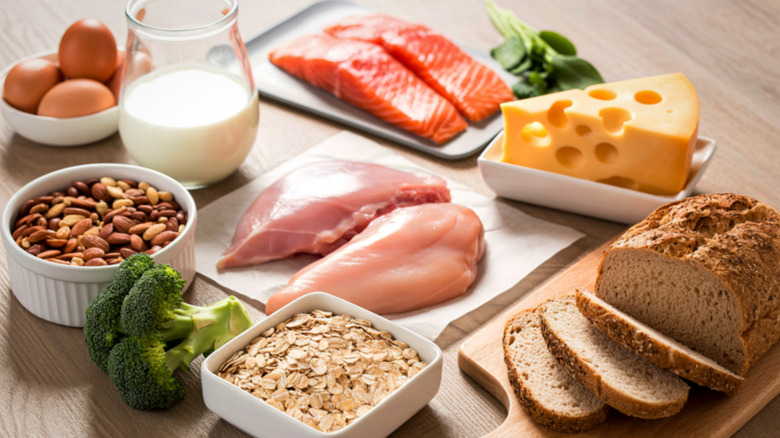
Regardless of the food group, one theme that’s spread throughout the dietary guidelines in their entirety is an emphasis on eating minimally processed foods. The new guidelines more or less blame diets high in overly processed foods, coupled with inactivity, for what they call a “health emergency,” with 70% of Americans considered overweight or obese, and nearly a third of teenagers dealing with pre-diabetes.
What exactly is an overly processed food, though? You can’t stop eating processed foods altogether, as the majority of our food is processed to some degree. When foods are pasteurized, that’s processing. Turning fruit into juice? Processing. Putting a vegetable in a can? Also processing. Instead, what the guidelines are really referring to are what’s known as “ultra-processed” foods. These are foods that contain ingredients that the average home cook can’t get their hands on — the unrecognizable, difficult to pronounce ingredients. These foods also are often made using processes that you can’t replicate exactly at home. Examples of ultra-processed foods include instant oatmeal, energy drinks, frozen pizza, and instant soup.
Currently, Americans get more than half their calories from foods like these. Diets high in ultra-processed foods have been linked to all-cause mortality and some have even been classified as carcinogens.