Report Overview
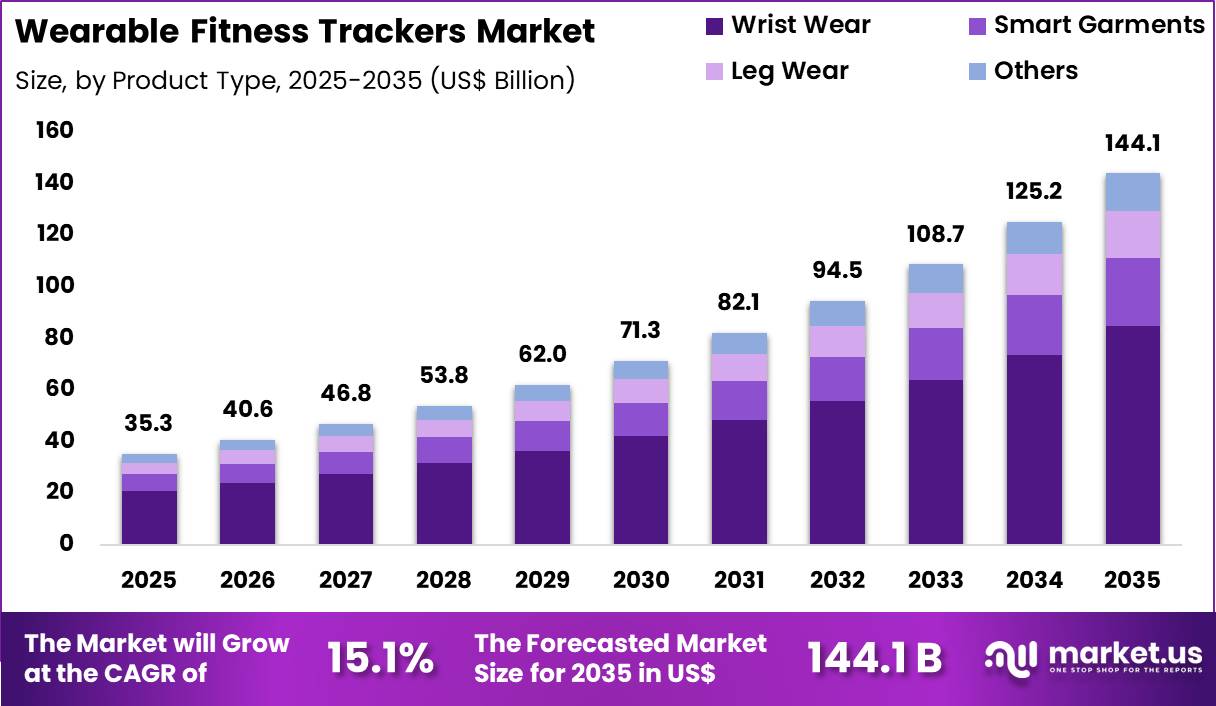
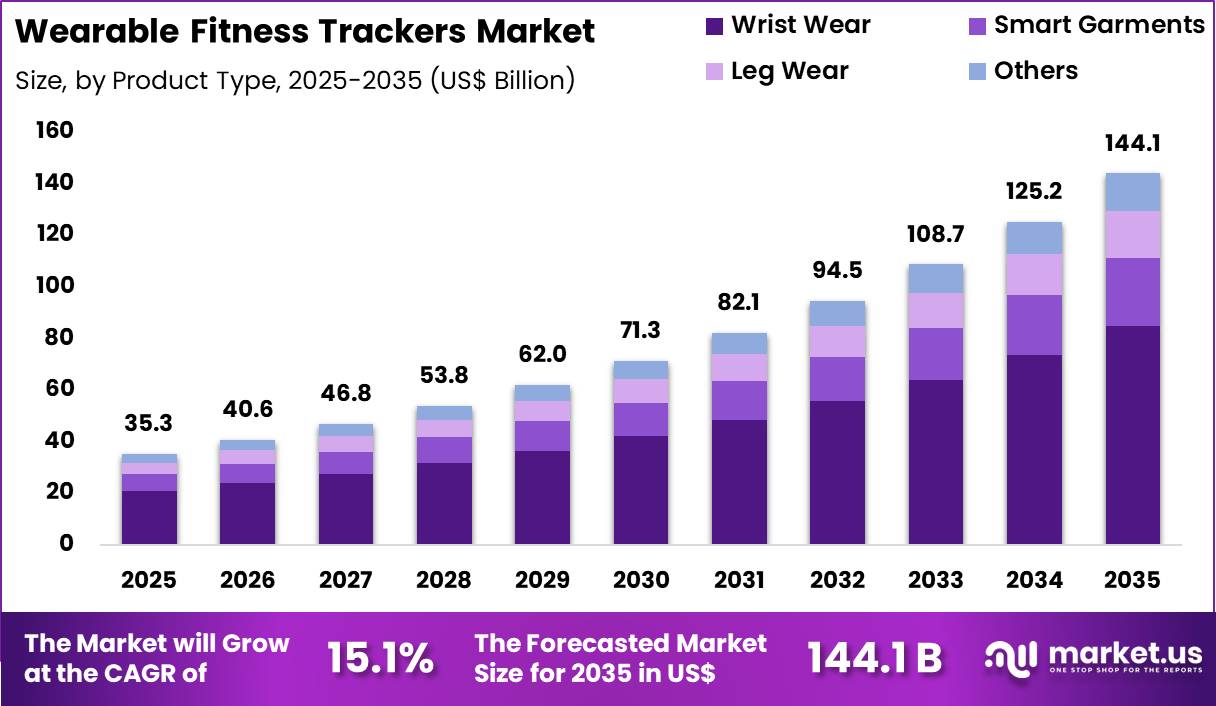
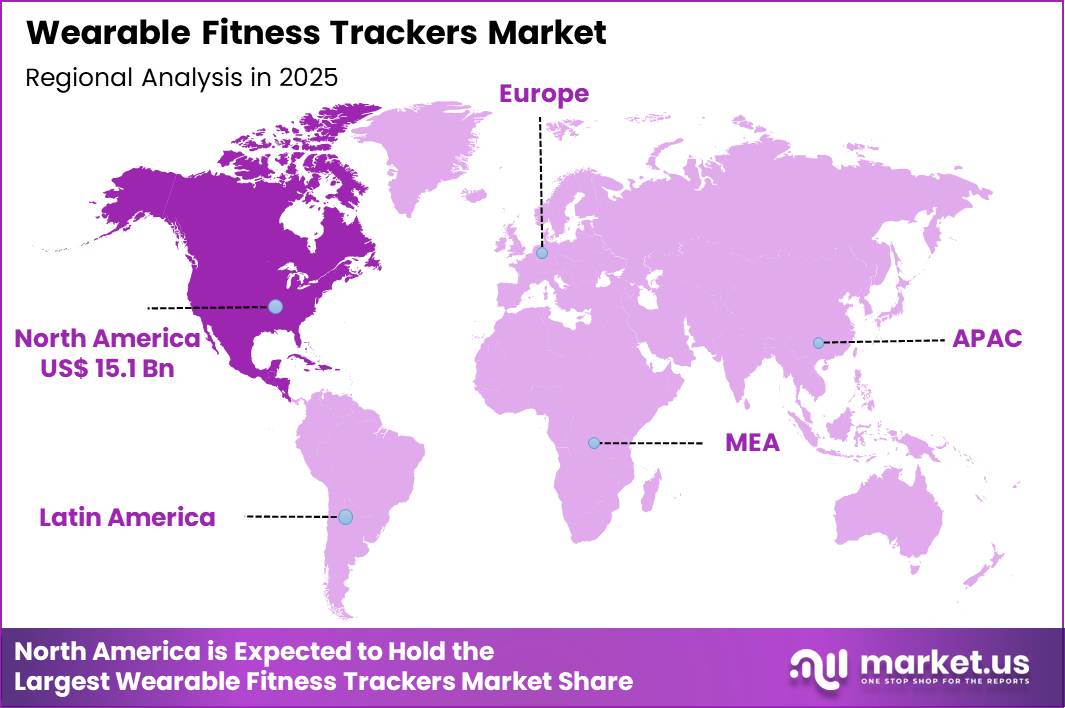
The Global Wearable Fitness Trackers Market size is expected to be worth around US$ 144.1 Billion by 2035 from US$ 35.3 Billion in 2025, growing at a CAGR of 15.1% during the forecast period 2026 to 2035. In 2024, North America led the market, achieving over 42.7% share with a revenue of US$ 15.1 Billion.
Rising consumer focus on proactive health management and personalized fitness propels the wearable fitness trackers market as individuals seek convenient tools to monitor daily activity and physiological metrics. Fitness enthusiasts increasingly rely on these devices to track steps, distance, and calories burned during running, cycling, or gym workouts, setting achievable goals and measuring progress through integrated apps.
These trackers support heart rate monitoring during high-intensity interval training, providing real-time feedback to optimize effort zones and prevent overexertion. Users apply sleep tracking features to analyze rest quality and recovery patterns, adjusting training loads to avoid burnout in endurance sports like marathon preparation.
Wearable fitness trackers also facilitate stress management by detecting elevated heart rate variability and guiding breathing exercises for mental well-being. In corporate wellness programs, employees utilize these devices to log activity levels, earning incentives for meeting movement targets and promoting healthier lifestyles.
Manufacturers pursue opportunities to embed advanced sensors and artificial intelligence that predict fatigue or overtraining risks, expanding applications in professional sports training where coaches monitor athlete recovery and performance metrics remotely.
Developers advance multi-sport modes with GPS accuracy and swim-proof designs, broadening utility for triathletes and open-water swimmers tracking diverse activities seamlessly. These innovations facilitate integration with virtual coaching platforms, delivering personalized workout recommendations based on real-time data.
Opportunities emerge in family-oriented trackers that encourage group challenges and parental oversight of children’s activity levels. Companies invest in longer battery life and lightweight materials, improving comfort for continuous wear in sleep and recovery tracking.
Recent trends emphasize holistic wellness features like guided meditation and menstrual cycle prediction, positioning wearable fitness trackers as essential companions for comprehensive health optimization across diverse user demographics.
Key Takeaways
In 2025, the market generated a revenue of US$ 35.3 Billion, with a CAGR of 15.1%, and is expected to reach US$ 144.1 Billion by the year 2035.
The product type segment is divided into wrist wear, smart garments, leg wear and others, with wrist wear taking the lead with a market share of 58.9%.
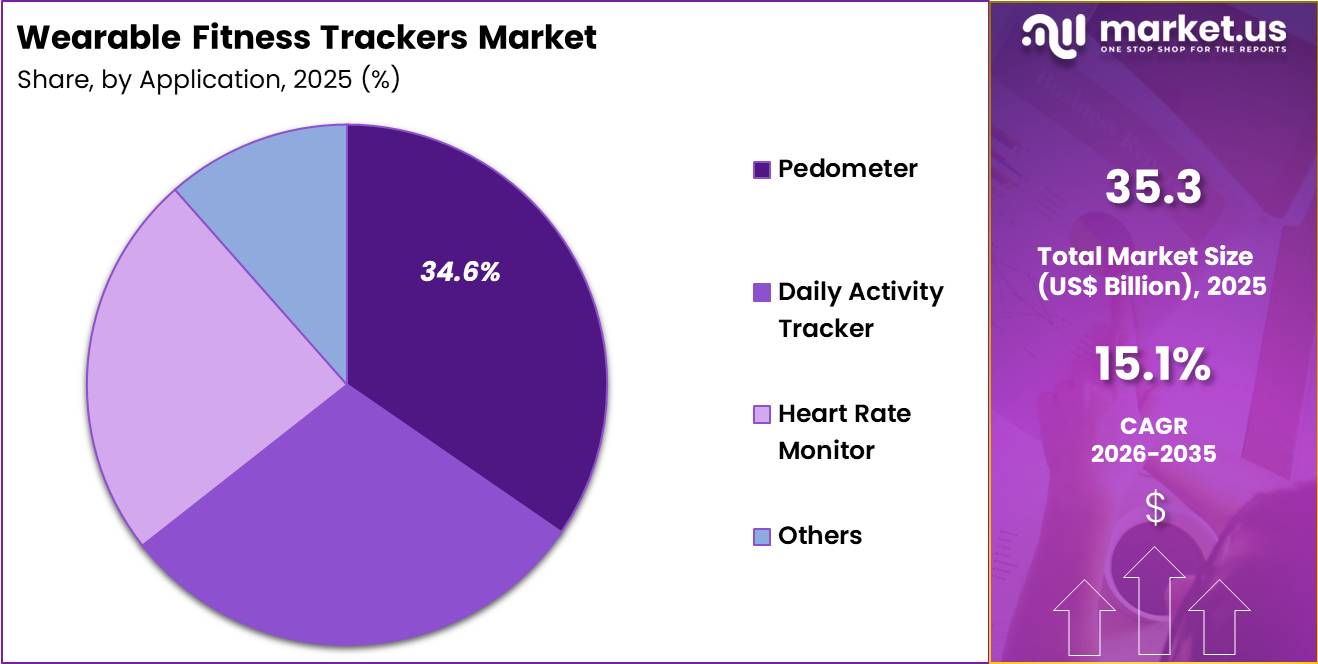
Considering application, the market is divided into pedometer, daily activity tracker, heart rate monitor and others. Among these, pedometer held a significant share of 34.6%.
Furthermore, concerning the distribution channel segment, the market is segregated into e-commerce and retail stores. The e-commerce sector stands out as the dominant player, holding the largest revenue share of 62.3% in the market.
North America led the market by securing a market share of 42.7%.
Product Type Analysis
Wrist wear contributed 58.9% of growth within product type and led the wearable fitness trackers market due to its convenience, familiarity, and continuous innovation in design and functionality. Consumers prefer wrist-based devices because they fit naturally into daily routines and support all-day tracking without lifestyle disruption.
Integration of step counting, sleep tracking, heart rate monitoring, and smartphone connectivity increases perceived value. Fashion-forward designs and customizable straps broaden appeal across age groups and genders.
Growth strengthens as manufacturers introduce longer battery life, improved sensors, and health-focused features. Corporate wellness programs and insurance-linked incentives increase adoption. Affordable price tiers expand penetration in emerging markets. Strong brand ecosystems encourage upgrades and repeat purchases. The segment is expected to remain dominant as wrist wear continues to balance usability, aesthetics, and multi-function health tracking.
Application Analysis
Pedometer generated 34.6% of growth within application and emerged as the leading segment due to widespread interest in basic physical activity tracking. Step counting serves as an entry-level metric for health awareness and fitness motivation. Users value pedometers for simplicity, clarity, and immediate feedback on daily movement. Public health campaigns promoting walking as preventive exercise further reinforce usage across demographics.
Growth accelerates as sedentary lifestyles increase demand for simple activity goals. Employers and wellness platforms use step targets to encourage participation. Integration with mobile apps enhances engagement through challenges and rewards. Low power consumption supports continuous tracking. The segment is anticipated to sustain leadership as step-based activity remains a universal and easily understood fitness indicator.
Distribution Channel Analysis
E-commerce accounted for 62.3% of growth within distribution channel and dominated the wearable fitness trackers market due to wide product availability and price transparency. Online platforms allow consumers to compare features, read reviews, and access frequent discounts, which shortens purchase decisions. Direct-to-consumer models enable brands to launch products faster and gather user insights. Convenience of home delivery supports impulse and replacement purchases.
Growth continues as digital payment adoption and mobile commerce expand globally. Exclusive online launches and bundled offers increase channel attractiveness. Influencer marketing and social media advertising drive traffic directly to e-commerce platforms.
Subscription-based accessories and services increase lifetime value. The segment is projected to remain the primary growth driver as digital shopping continues to shape consumer electronics purchasing behavior.
Key Market Segments
By Product Type
Wrist Wear
Smart Garments
Leg Wear
Others
By Application
Pedometer
Daily Activity Tracker
Heart Rate Monitor
Others
By Distribution Channel
Drivers
Increasing health and fitness awareness is driving the market.
The growing recognition of the importance of regular physical activity has significantly boosted the demand for wearable fitness trackers, which provide users with real-time data to motivate and guide their exercise routines. Enhanced public health campaigns and digital health initiatives have contributed to greater consumer interest in monitoring daily activity levels.
Healthcare professionals are increasingly recommending these devices to patients as tools for promoting wellness and preventing chronic conditions. Government organizations have reported persistently low rates of physical activity compliance, underscoring the need for motivational technologies like fitness trackers. Wearable fitness trackers offer features such as step counting, heart rate monitoring, and goal setting to encourage users to meet recommended activity levels.
The association between sedentary lifestyles and health risks further amplifies the role of these devices in behavior change. National health surveys reveal opportunities for trackers to address gaps in aerobic and strength training adherence. Key developers are incorporating user-friendly interfaces to support this awareness-driven adoption.
According to the Centers for Disease Control and Prevention, only 47.2% of adults met the aerobic physical activity guidelines in 2024. This driver continues to propel market expansion by aligning with global efforts to improve population health through technology.
Restraints
Data privacy concerns are restraining the market.
The rising apprehension regarding the collection and storage of personal health data by wearable fitness trackers has limited consumer trust and adoption in certain segments. Regulatory scrutiny on data handling practices requires manufacturers to invest heavily in secure systems, increasing operational complexities.
Healthcare providers must navigate privacy laws when integrating tracker data into patient records, potentially delaying implementations. Government agencies emphasize the risks of data breaches, influencing public perception of these devices. Wearable fitness trackers transmit sensitive metrics such as heart rate and location, raising concerns about unauthorized access.
The association between data security and user retention further complicates market growth in privacy-sensitive regions. National guidelines on digital health privacy add layers of compliance for global distribution.
Key companies are developing encrypted features to address these issues, but challenges persist. Despite functional benefits, privacy hurdles impede broader acceptance in professional and personal use. Resolving these concerns through transparent policies is essential for mitigating this market limitation.
Opportunities
Strong growth in fitness segment revenues is creating growth opportunities.
The notable increase in revenues from fitness-related products signals substantial potential for wearable fitness trackers in expanding consumer wellness ecosystems. Bolstered financial performance enables investments in advanced sensor technologies for precise activity tracking.
Garmin reported fitness segment revenue of $1.11 billion in 2022, $1.34 billion in 2023, and $1.77 billion in 2024. This growth reflects robust demand for devices that integrate with digital health platforms for comprehensive user experiences. Cooperative ventures with wellness apps facilitate tailored solutions for emerging fitness trends.
The considerable sales volumes in developed markets magnify prospects for feature enhancements like sleep analysis. Reforms in consumer health reimbursement strengthen infrastructure for connected monitoring.
Foremost corporations initiate geographic extensions to harness economic advancements in active lifestyles. This opportunity harmonizes with endeavors to heighten benchmarks in personalized fitness guidance. Concentrated evolutions can produce remarkable strides in integrated health tracking applications.
Impact of Macroeconomic / Geopolitical Factors
Broader economic forces shape the wearable fitness trackers market by influencing household budgets, retailer inventory planning, and brand investment priorities. Persistent inflation and elevated interest rates curb discretionary spending, which slows replacement and upgrade decisions for higher priced devices.
Geopolitical uncertainty affects global supply chains for chips, sensors, screens, and batteries, creating cost volatility and delivery challenges. Current US tariffs on imported components and finished wearables add to manufacturing and logistics expenses, which squeezes margins and complicates pricing strategies. These pressures weigh more heavily on emerging brands and intensify price competition at the entry level.
On the positive side, tariff pressure drives regional sourcing, streamlined designs, and tighter supplier partnerships. Growing focus on preventive health, activity tracking, and connected wellness keeps consumer interest strong. With smarter cost control, software led value, and ecosystem integration, the market continues to move forward on a stable growth path.
Latest Trends
Integration of artificial intelligence in health insights is a recent trend in the market.
In 2024, the incorporation of generative AI models in wearable fitness trackers has advanced personalized wellness recommendations based on user data. These systems analyze patterns in activity, sleep, and physiological metrics to provide actionable advice. Manufacturers focused on regulatory compliance to ensure accuracy in AI-generated insights.
Clinical validations emphasized improved user engagement through conversational interfaces. Google infused Fitbit with a new personal health generative AI model based on Gemini in March 2024. This innovation facilitates custom routines and trend explanations for better health management. Enterprises emphasize data privacy in AI implementations to build consumer confidence.
The trend addresses limitations in traditional tracking by offering proactive coaching features. Regulatory pathways have evolved to accommodate AI enhancements in consumer devices. Sector partnerships refine algorithms for superior predictive capabilities in fitness outcomes.
Regional Analysis
North America is leading the Wearable Fitness Trackers Market
North America captured a 42.7% share of the Wearable Fitness Trackers market in 2024, driven by strong consumer focus on preventive health and daily activity monitoring. Users increasingly adopted wrist-worn devices to track heart rate, sleep quality, physical activity, and stress as part of routine wellness management.
Employer wellness programs and insurer-led incentives encouraged consistent usage by linking activity data with health benefits. Integration with smartphones and digital health platforms improved user engagement and long-term retention. Higher prevalence of obesity and lifestyle-related conditions reinforced demand for self-monitoring tools.
Retail and online channels ensured broad product availability across age groups. A clear supporting indicator comes from the Centers for Disease Control and Prevention, which reported in 2023 that more than 41% of US adults live with obesity, strengthening consumer motivation to adopt activity and fitness tracking solutions.
The Asia Pacific region is expected to experience the highest CAGR during the forecast period
The Wearable Fitness Trackers market in Asia Pacific is expected to grow steadily during the forecast period as health awareness rises among younger and urban populations. Consumers increasingly embrace digital tools to monitor fitness, sleep, and cardiovascular health as part of lifestyle management. Expanding middle-class incomes support higher spending on personal health technologies.
Smartphone penetration and app-based ecosystems make connected fitness devices more accessible across emerging economies. Governments promote physical activity and preventive care to address rising chronic disease rates. Local brands introduce affordable models, accelerating mass adoption.
A verifiable indicator of this momentum appears in 2023 data from the World Health Organization, which reported that insufficient physical activity affects over 30% of adults in the Western Pacific Region, highlighting strong regional demand for tools that encourage regular movement and fitness monitoring.
Key Regions and Countries
North America
Europe
Germany
France
The UK
Spain
Italy
Russia
Netherland
Rest of Europe
Asia Pacific
China
Japan
South Korea
India
Australia
New Zealand
Singapore
Thailand
Vietnam
Rest of APAC
Latin America
Brazil
Mexico
Rest of Latin America
Middle East & Africa
South Africa
Saudi Arabia
UAE
Rest of MEA
Key Players Analysis
Key competitors in the wearable fitness trackers market grow by enhancing sensor accuracy, expanding health-insight analytics, and integrating broader biometric metrics such as VO2 max and sleep staging that deepen user engagement and daily utility. They also strengthen platform value by building seamless connectivity with smartphones, wellness apps, and third-party services to foster stickier ecosystems that support long-term retention.
‘Firms pursue strategic partnerships with fitness brands, insurers, and corporate wellness programs that expand use cases beyond consumer self-tracking into preventive health and performance optimization. Geographic expansion into Europe, North America, and fast-growing Asia Pacific markets balances revenue contributions while capuring rising demand from health-aware demographics.
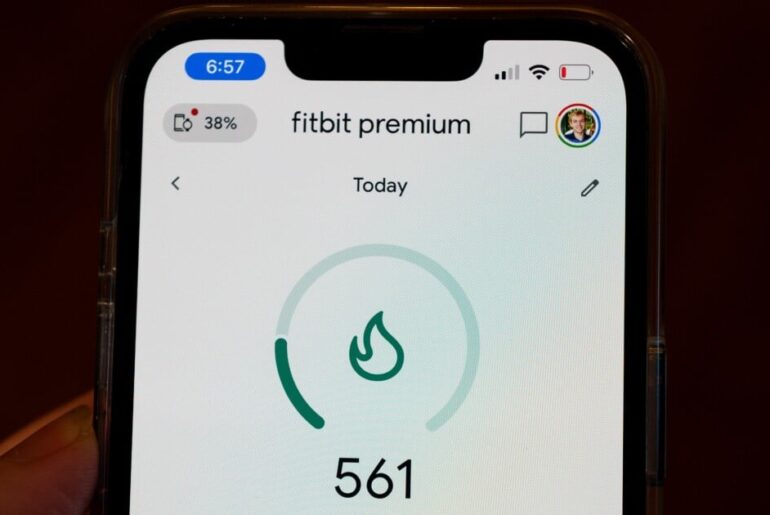
Fitbit Inc., now part of Google LLC, exemplifies a leading connected health technology company with a broad suite of tracking devices, intuitive software interfaces, and strong brand recognition that resonates with both casual users and active athletes.
The company drives competitive momentum through disciplined investment in product innovation, coordinated marketing campaigns, and a customer-centric strategy that aligns device features with evolving lifestyle and health priorities.
Top Key Players
Recent Developments
In 2025, Samsung Electronics recorded that its Mobile eXperience (MX) division, which includes wearable products like the Galaxy Watch and Galaxy Fit series, generated total revenues of US$ 26 billion in the first quarter alone. According to the company’s financial disclosures, this segment’s performance was driven by the strong adoption of AI-enabled health monitoring features—such as enhanced sleep tracking and blood pressure monitoring—within its premium smartwatch ecosystem in the US and European markets.
In 2025, Alphabet Inc. reported that its “Google subscriptions, platforms, and devices” segment, encompassing Fitbit hardware and Google Pixel Watch sales, achieved US$ 13.58 billion in revenue during the fourth quarter. As per the company’s Q4 financial results, growth was supported by the integration of Gemini AI into its ecosystem, enabling more personalized fitness coaching and data-driven insights for users tracking metrics like cardiovascular endurance and stress management.
Report Scope