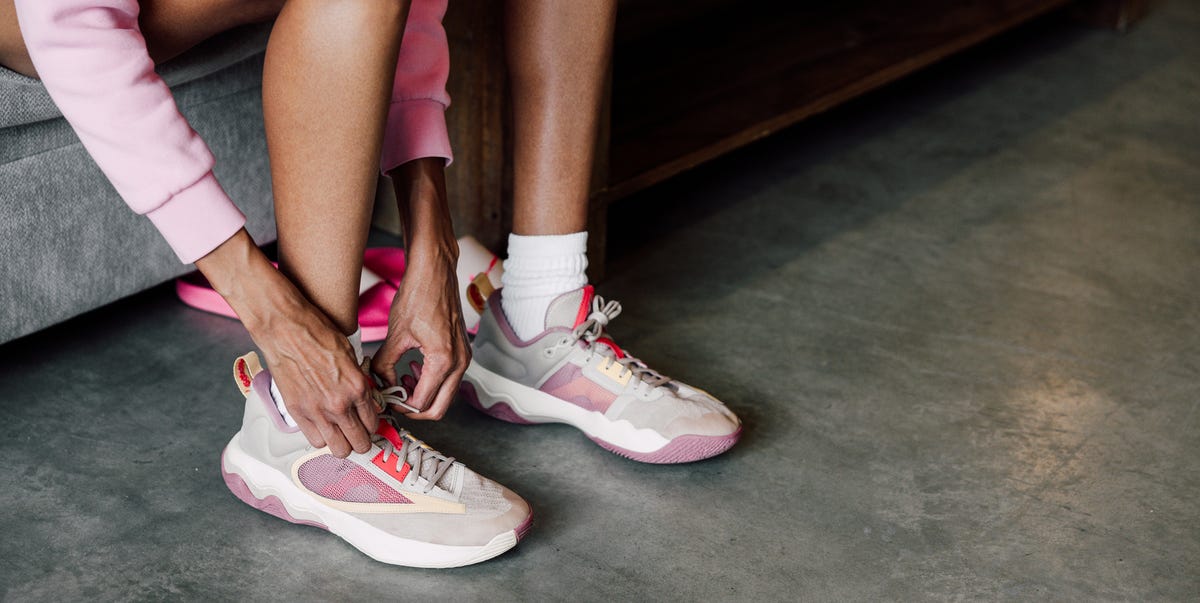
While you probably have a favorite way to work out—maybe you’re a runner, HIIT junkie, or strength training queen—you might also enjoy doing several types of exercise. And, if you’ve got a long run on Monday, a lower-body strength sesh on Wednesday, and a HIIT class on Friday, you might be wondering if it’s okay to wear the same sneakers to all three workouts.
Here’s the deal: All sneakers are designed with certain types of movement in mind. There are shoes designed specifically for walking, running, athletic training, and weight lifting. If you wear specialized shoes for a workout that they’re not meant for, there’s a chance you could hinder your performance, explains Heather Milton, CSCS, an exercise physiologist, supervisor at NYU Langone’s Sports Performance Center, and co-founder of MasterMyRun.
Meet the experts: Heather Milton, CSCS, is an exercise physiologist, supervisor at NYU Langone’s Sports Performance Center, and the co-founder of MasterMyRun. Joe Warne, PhD, is an exercise physiologist.
But investing in three different types of workout sneakers comes with a high price tag. So, how much do your sneakers really matter for your workout, and can you use the same sneakers for running and lifting? Ahead, exercise physiologists answer all of your questions about the right type of shoes for every workout.
How much do your sneakers really matter for your workout?
“Shoes mostly matter when the demands of the activity are high or repeated a lot,” explains exercise physiologist Joe Warne, PhD. “If you’re lifting heavy, landing hard, running far, or moving side-to-side quickly, the shoe can either help you manage those forces or quietly make things harder on your joints,” he adds.
Let’s say you’re thinking about wearing your favorite running sneakers for a lower-body strength day. Milton says that running shoes usually have a heel lift and a curved sole that’s designed to roll your foot forward toward your toes, which helps you take steps with less effort and limits the impact on your joints. But if you’re doing a squat or a lunge, you actually want the weight to be evenly distributed throughout your foot to get the right muscle activation and maintain balance.
Related Stories
Wearing a running shoe for these resistance training exercises might actually make it harder to have proper form and get the results you want, explains Milton. So, it’s better to opt for specific lifting shoes, which are “rigid and flat because they’re designed to keep you stable,” says Warne.
On the flip side, it’s pretty much never a good idea to run in weight-lifting shoes either because they don’t have cushioning, so your calves, Achilles, knees, and hips will take on lots of impact, explains Warne. Plus, weight-lifting shoes are sometimes heavier than running shoes— so they may also slow you down, adds Milton.
Research supports the idea that wearing a specialized shoe for your workout can improve performance and prevent injuries. A 2025 study in Scientific Reports recruited 15 recreational runners and measured the way their feet landed on the ground in technologically advanced running shoes (with features like midsole foam and carbon fiber plates) versus conventional cushioned shoes and minimalist shoes.
Get access to our exclusive 4-week burn and build challenge
It found that the technologically advanced running shoes positively impacted the runners’ footstrikes, stabilizing lateral movement and reducing force on the ankles and other joints. The researchers concluded that these effects can reduce the risk of injuries like Achilles tendinopathy and metatarsal stress fractures.
Similarly, a 2021 study in the Journal of Exercise and Health Science looked at whether weight-lifting shoes impacted squat performance in professional weight lifters. Twenty participants tried the movement barefoot, in basic sneakers, and weight-lifting sneakers. The study found that when they wore weight-lifting shoes, they had significantly better balance during squats than when they wore non-specialized shoes.
When is it okay to wear the same shoes for different workouts?
Sometimes, you can get away with wearing hybrid sneakers (or a cross-trainer). They’re built to support multiple workouts, as they provide both stability for strength training movements and cushioning to protect your joints during activities like jumping or skipping, while helping you transition between exercises.
As long as you don’t have any injuries or foot issues, you can wear this type of sneaker during gym sessions or group fitness classes that combine cardio bursts and strength exercises, HIIT workouts, and short runs (more on this in a sec), says Milton. They’re also helpful to have on-hand if you only want to pack one pair of sneaks for a vacation.
What kind of sneakers should I really invest in?
The answer here depends on the types of workouts you do most often and your budget.
Hybrid Sneakers
If you mostly use a mix of free weights and machines, do exercise classes, and run shorter distances (under three miles) once in a while, you should be fine using a hybrid shoe, says Milton. Warne recommends looking for an option with a moderate heel drop (the amount of elevation between the heel and toe), moderate cushioning, a firm midsole, a low profile around the ankle, and some flexibility in the toe area. These features offer a helpful balance of stability and support for both cardio activities and stationary exercises.
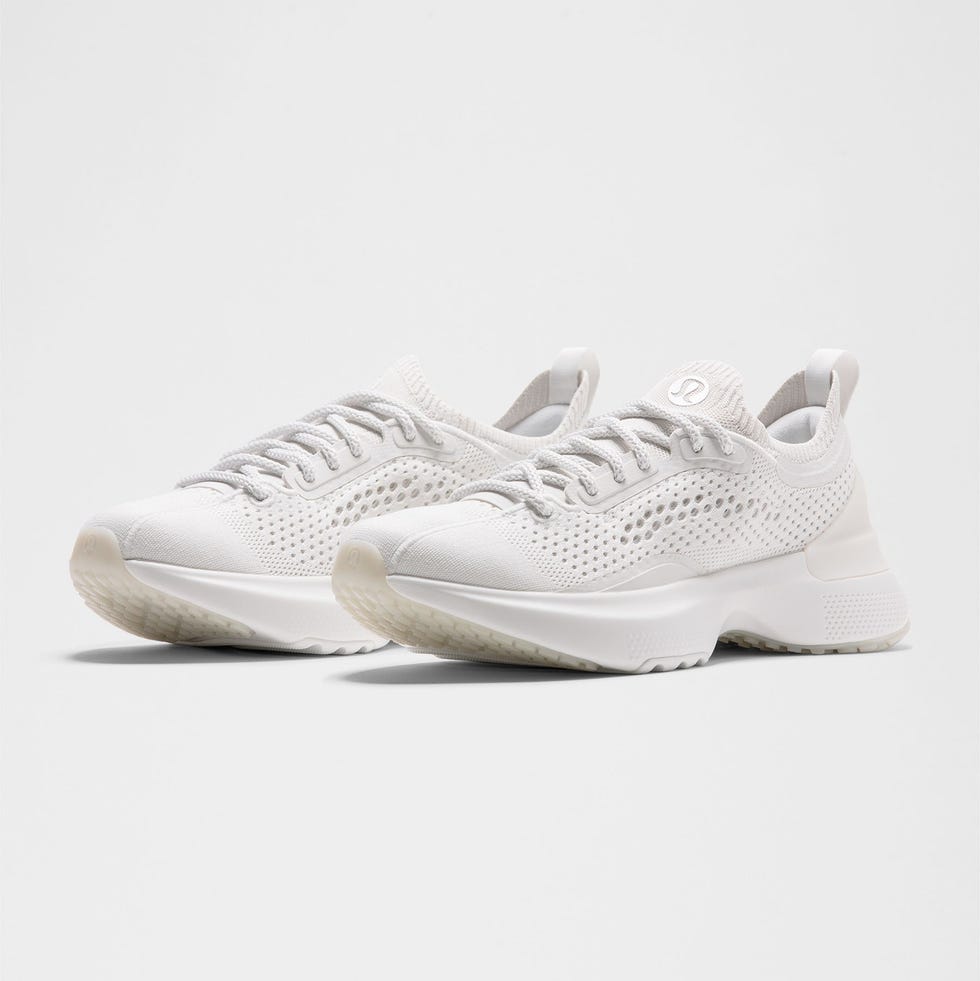 Lululemon Chargefeel 3Credit: Courtesy
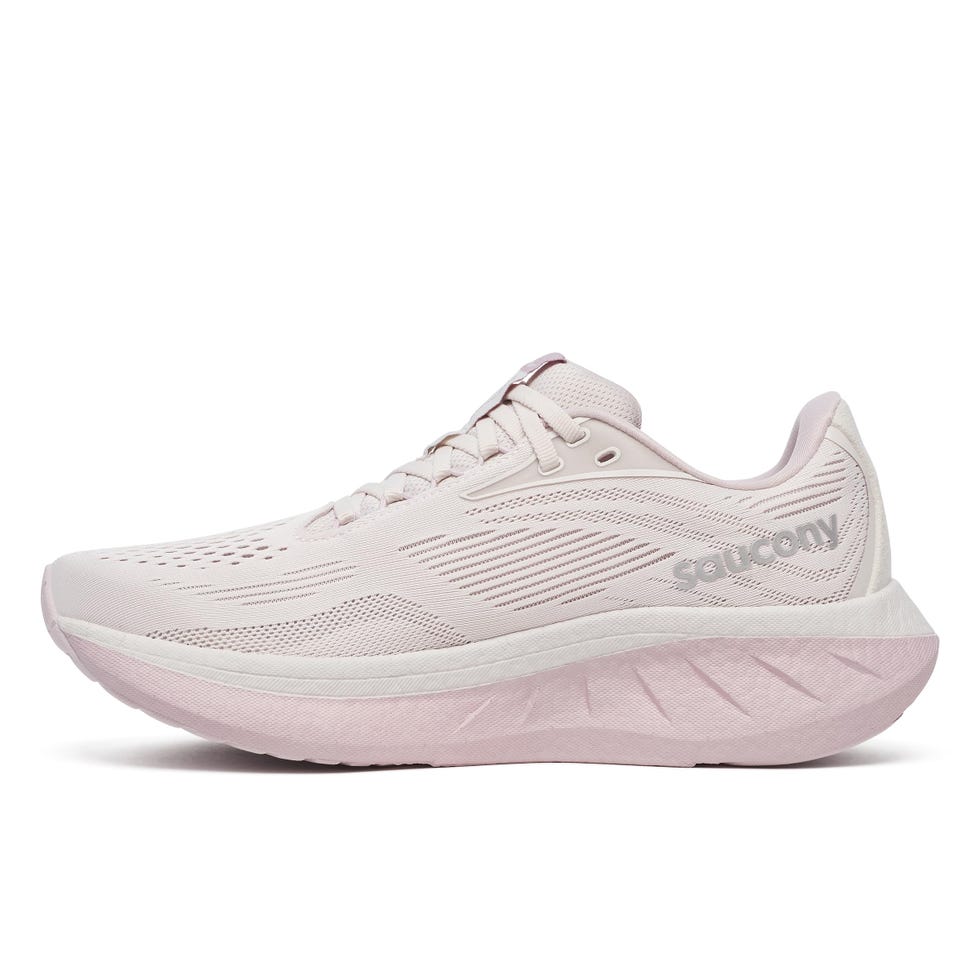 Saucony Ride 18Credit: Courtesy
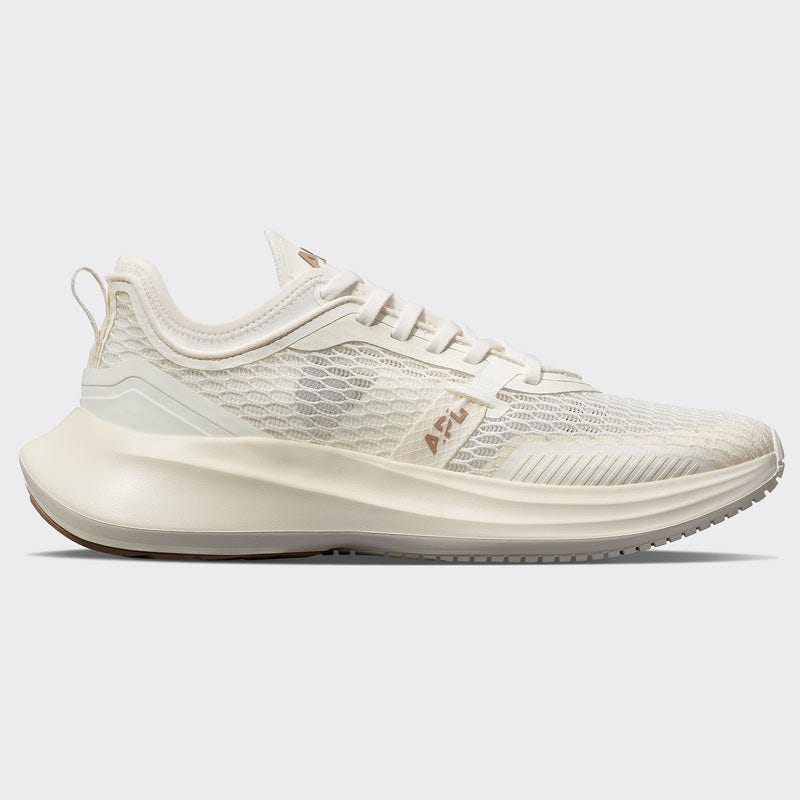 APL EuphoriaCredit: CourtesyRunning and Walking Sneakers
But in other cases—and if you’re planning on running or walking more than three miles in a workout—you should bite the bullet and invest in actual running shoes. Hybrid shoes usually start to get uncomfortable if you’re logging more than two or three miles on a regular basis, Warne explains.
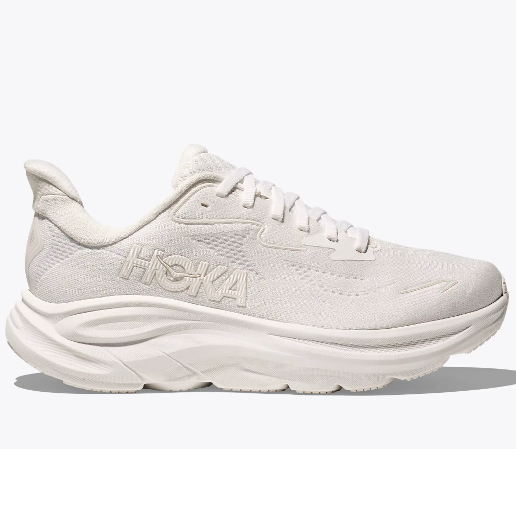 Hoka Clifton 10Credit: Courtesy
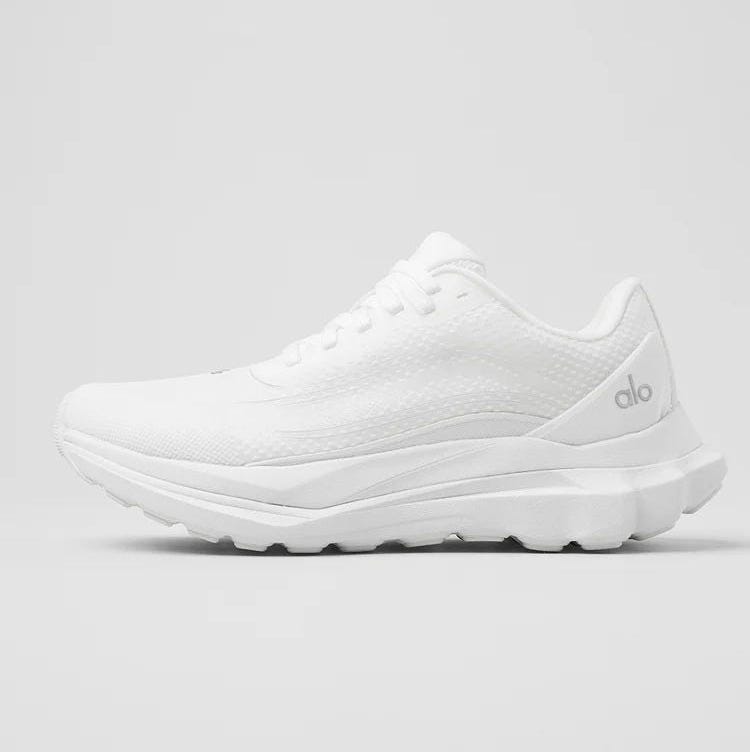 Alo RunnerCredit: Courtesy
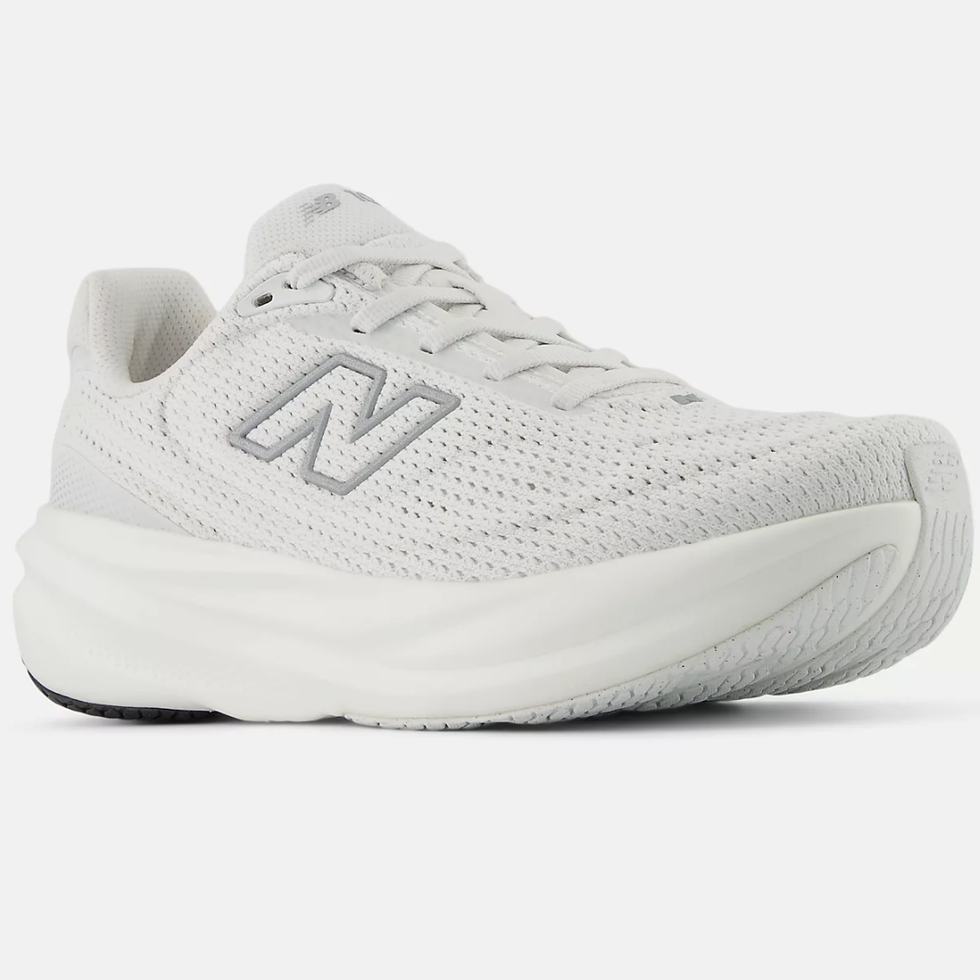 New Balance 1080v15Credit: Courtesy
Runners and walkers should wear shoes that are specifically labeled for running or walking. But which exact model is right for you will depend on a few different factors. Someone who’s training for a half- or a full marathon will need lots of cushioning and support, whereas someone who plans on doing sprints will want a lightweight design.
“It really does come down to your individual needs and foot type, stability, and control,” says Milton. “For example, if you have lower leg injury history and pronate while running, you may need a motion control running shoe for injury prevention.”
When you’re shopping, try to find a website or store that allows you to return lightly worn sneakers. Sometimes a style that feels comfortable when you’re first trying it on won’t feel good after a lifting session or run, explains Warne. Testing a pair out for a few workouts is really the only way to tell if a design is right for you. Better yet, hit your local running store and meet with an associate who can scan your foot and help you find the right type of sneaker for your foot type and goals.
Strength Training Sneakers
For those that mostly strength train, Warne recommends investing in a shoe that has a firm, stable sole and isn’t squishy. It should also be fairly flat and allow you to distribute your weight evenly across your whole foot.
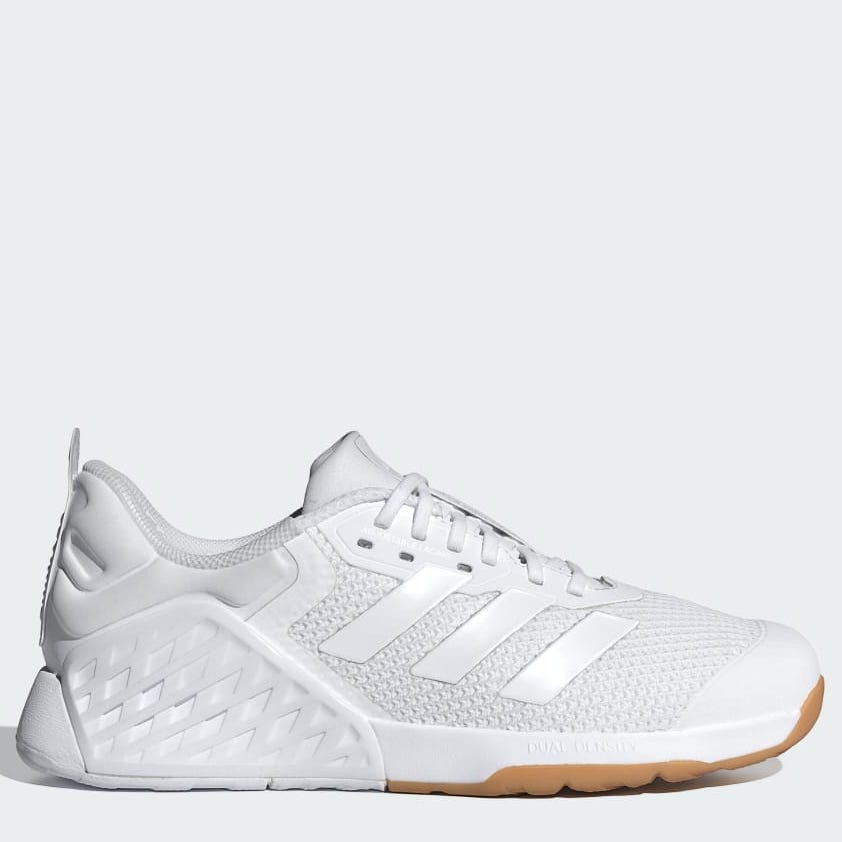 adidas Dropset 3
Now 45% Off
Credit: Courtesy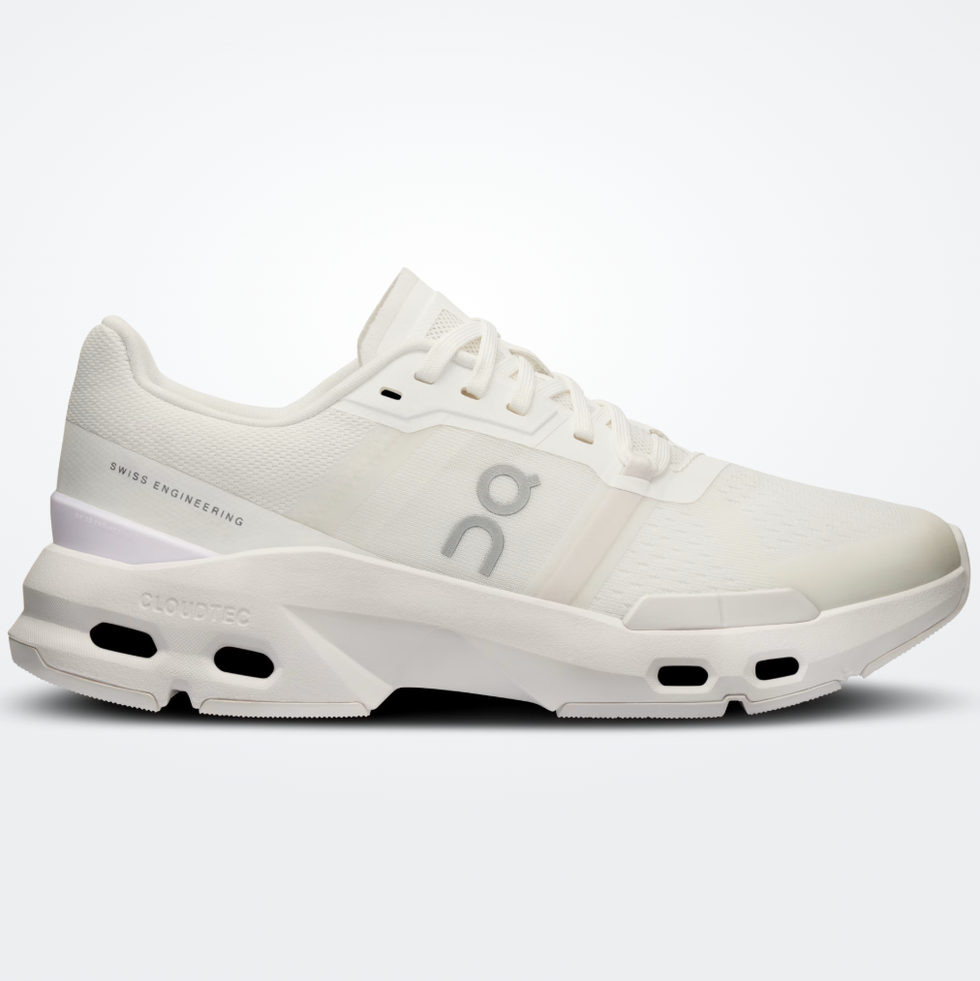 On Cloudpulse
Now 22% Off
Credit: Courtesy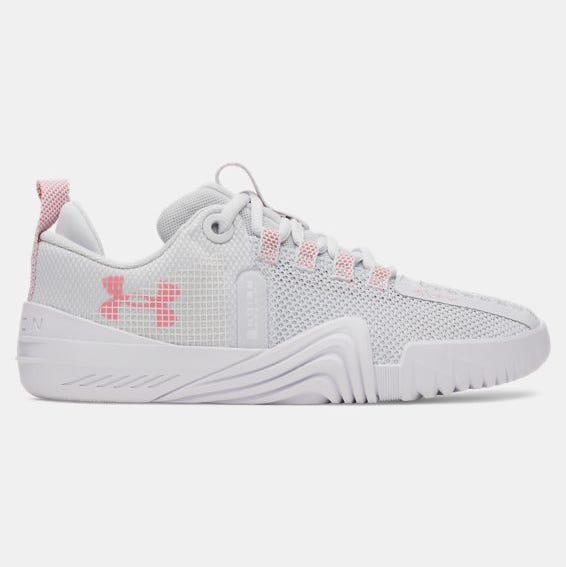 Under Armour Reign 6Credit: Courtesy
But if your budget allows, it’s a good idea to invest in two quality pairs of sneakers tailored to your most common workouts. Or—especially if you’re a runner—consider getting two pairs for the same type of exercise. Rotating shoes, even if they’re similar, is better for your body than using the same pair over again. “Your tissues adapt better to small variations than to doing everything the exact same way all the time,” says Warne. In other words, switching between sneakers can help you prevent pain and injury by ensuring that you’re not putting pressure on the exact same spots with every run or workout.
Whichever sneaker type you choose, don’t get overly invested in bells and whistles. Both experts say that the most important feature of any sneaker is comfort, so make sure to pay attention to how a shoe feels beyond the first few minutes of wear. You want something that’ll keep you comfortable throughout your whole workout, which in turn will help you perform at your best.

Kara Cuzzone is a New York City-based writer, editor, and artist. She has over seven years of experience covering health, wellness, and shopping-related topics for sites including Forbes, Cosmopolitan, Byrdie, Wondermind, and PureWow. In her spare time you can find her running (she’s raced seven half marathons and one full marathon), heading to a [solidcore] class, or devouring a beach read. She is also a passionate mental health advocate and volunteers with the National Alliance on Mental Illness’s NYC chapter.