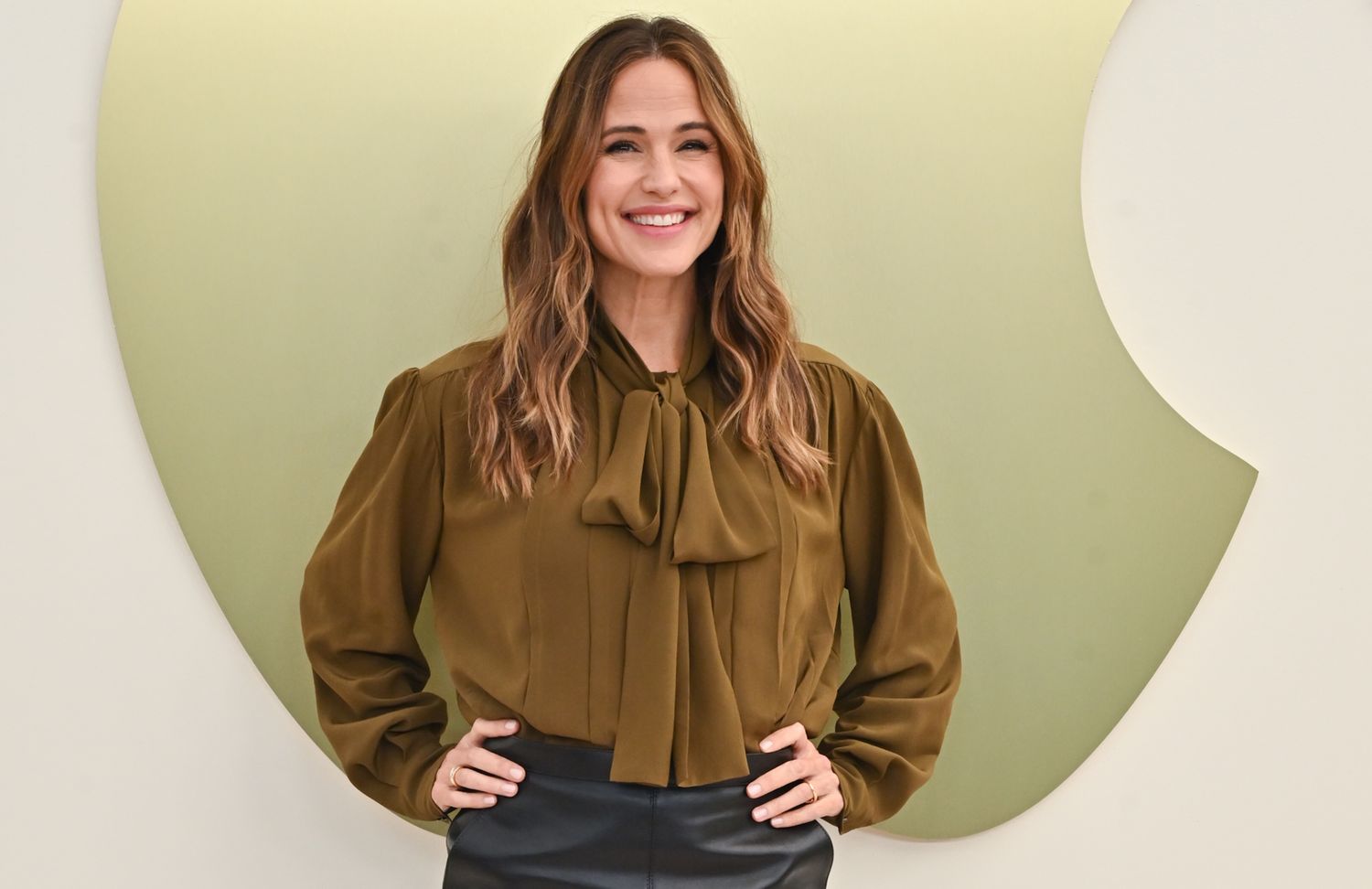
On the day Once Upon a Farm went public in early February 2026, Jennifer Garner couldn’t hide her excitement and pride, calling the moment “so validating” for the company.
“We really want to be parents’ ally. But not only that, we want to drive a systemic change in childhood nutrition for a happier, healthier, and more equitable world,” she tells Parents. “We really feel like this IPO is going to allow us to stay independent and keep driving that change.”
During the big moment, Garner was alongside her co-founders, Cassandra Curtis and John Foraker. The latter two launched the company in 2015, and Garner joined in 2017. Initially starting as a baby food brand, Once Upon a Farm has expanded to also offer USDA Organic, non-GMO cold-pressed food for toddlers and bigger kids. It’s now sold in more than 22,000 stores across the country, according to its website.
Like many baby brands, Once Upon a Farm was born from a parent’s desire to give their child the best.
“It started in my kitchen back in 2013 as a working mom,” shares Curtis, a mom of three. “It’s definitely taken more than a village to get it to where it is today.”
Since then, the brand has accomplished several feats that the co-founders are proud of. Some big ones include launching the first cold-pressed high pressure processing (HPP) baby food, being the first brand of its kind to receive Clean Label Project (CLP) verification, as well as Equitable Food Initiative (EFI) certification, and the first to get WIC-certified for refrigerated baby food.
“And really being able to change the lives of so many parents and kids across the U.S. and beyond with real nutritious foods that include no added sugar and fruits and veggies in every bite,” adds Curtis.
Cassandra Curtis (left), Jennifer Garner (middle), and John Foraker (right) during Once Upon a Farm’s initial public offering (IPO).
Photo:
GettyImages/Bloomberg
Winning as Moms and Business Owners
Yet, running a business isn’t easy—it requires a lot of time, dedication, and resilience, among other needs. Doing that while being a parent, which demands just as much energy, can add to the stress. Garner and Curtis say finding support along the way has been paramount to their success.
“Having a village to support you as an entrepreneur is key,” says Curtis. “I’ve had a lot of family support along the way, and have brought in amazing employees who have been very dedicated to getting the brand to where it is today.”
For Garner, a mom of three, being part of a welcoming team is a plus, but so is putting in the work and being honest about what you don’t know.
“I get to visit farms and our co-manufacturers on supply, and sit in on all the leadership team meetings, so that when I do speak, I know something of what I’m talking about,” she says. “I’m not a business person. I didn’t go to college for business. I have had to learn on the job, but as I’m taking notes in every meeting, I circle what I don’t know, and then I’m [asking] team members on the side, ‘What does this mean?’ ‘What is that?’ And they’re all so generous and kind to teach me.”
Plus, their mission keeps them motivated. Curtis advises other parent entrepreneurs to never give up. “As long as you’re putting some energy into what you’re going after, a little bit each day, it will gain momentum and turn into the thing that you’re looking to achieve,” she says.
“The idea is the king,” adds Garner. “Go at it and don’t be afraid of purpose. Don’t be afraid of the mission. Don’t be afraid to lead. Hopefully, we have proven today that you can be a purpose-led brand and still win in the marketplace.”
The Future of the Children’s Food Industry
In the decade since Once Upon a Time’s launch, the children’s food industry has seen more change with a bigger demand for healthier and safer food. More awareness is being raised for the dangers of heavy metals, pesticides, and food dyes, while the benefits of organic food are being highlighted. In 2024, organic food sales in the U.S. reached $71.6 billion, according to the Organic Trade Association. That’s a big jump from $35.9 billion in 2014.
“I think the most important thing to know about organic food is that it’s one of the most important things to support our agricultural system, which ultimately is going to support families in the best nutrition possible—clean label, no pesticides,” says Curtis. “Ultimately, that’s going to be the most favorable for a child’s development.”
Garner and Curtis say they hope that more and more companies take their lead and focus on making child health a priority.
“Let’s democratize nutrition and push organic down and out to all families,” says Garner. “Make it accessible to all families everywhere.”