A growing body of research has linked diet and exercise to cancer risk. Harvard T.H. Chan School of Public Health’s Edward Giovannucci was one of the experts quoted in a Jan. 27 New York Times article on the latest findings.
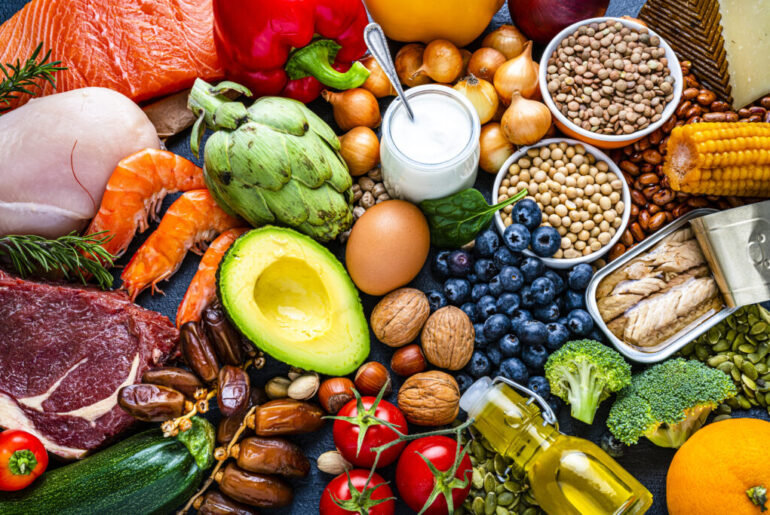
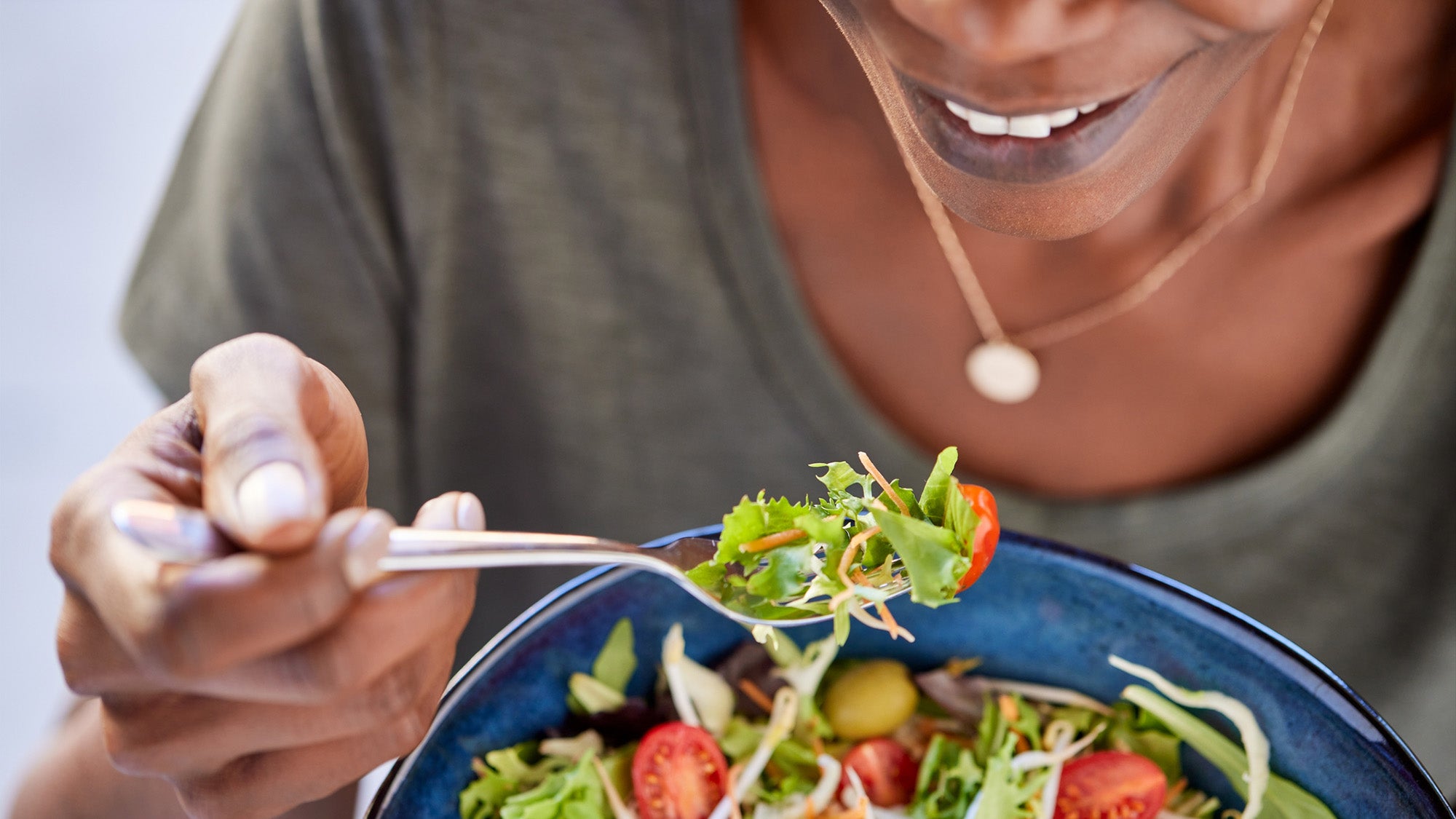
The article noted that dietary patterns emphasizing whole grains, fruits and vegetables, and lean or plant proteins have consistently been linked to lower cancer risk, likely due in part to their ability to lower high insulin levels and inflammation. Processed and red meats, ultra processed foods, and alcohol, on the other hand, have been linked with increased risk.
But the single biggest way that diet increases cancer risk is by contributing to excess weight, said Giovannucci, professor of nutrition and epidemiology. Fat tissue increases estrogen, a driver for some cancers, and can also promote inflammation and insulin resistance.
He recommended getting at least 30 minutes of exercise at a moderate-intensity level most days to help with weight loss and metabolic health. That’s “a big part of the battle” to reduce the risk of cancer and other chronic conditions, he said. “It overlaps a lot with diabetes, cardiovascular risks and dementia. I think they’re all tied together.”
Read the New York Times article: How What You Eat Affects Cancer Risk
Learn more
Cancer FactFinder (Harvard Chan School’s Zhu Family Center for Global Cancer Prevention)
Diets high in plant-based foods, low in processed foods, may help reduce cancer risk (Harvard Chan School news)
Last Updated
Get the latest public health news
Stay connected with Harvard Chan School