 Share on PinterestNew research indicates that diet quality matters for cardiovascular health. Nikolay_Donetsk/Getty ImagesThe quality of a low carb or low fat diet may be more important for heart health than the amount of fat and carbohydrates consumed. Healthy versions of low fat and low carb diets that prioritized plant-based foods, whole grains, and unsaturated fats were associated with a lower risk of coronary heart disease. Unhealthy versions of the same diets high in refined carbohydrates, animal fats, and proteins were associated with a higher risk of coronary heart disease.
The quality and content of low-carbohydrate (carb) and low fat diets may be more important in reducing heart disease risk than the amount of fat or carbs consumed.
New research shows that healthy versions of low carb and low fat diets that emphasized plant-based foods, unsaturated fats, and whole grains were associated with a significantly lower risk of coronary heart disease (CHD).
“Our findings highlighted that it’s not simply about cutting carbs or fat, but it’s about the quality of foods people choose to construct those diets,” Zhiyuan Wu, a postdoctoral research fellow at the Harvard T.H. Chan School of Public Health and lead author of the study, said in a press statement.
“The efficacy of low carb and low fat diets in reducing CHD risk is a topic of ongoing debate, and past studies showed mixed findings. Focusing only on nutrient compositions but not food quality may not lead to health benefits,” Wu continued.
In conducting their study, the researchers examined data from nearly 200,000 participants across three large studies. Data gathered included more than 30 years of follow-up with each participant.
During that time, 20,033 cases of coronary heart disease were noted.
Participants’ dietary patterns were assessed using food frequency questionnaires.
The role of diet quality in low carb and low fat diets has until now remained unknown. The study is regarded as one of the most comprehensive analyses to date related to diet quality, metabolomic profiles, and coronary heart disease risk.
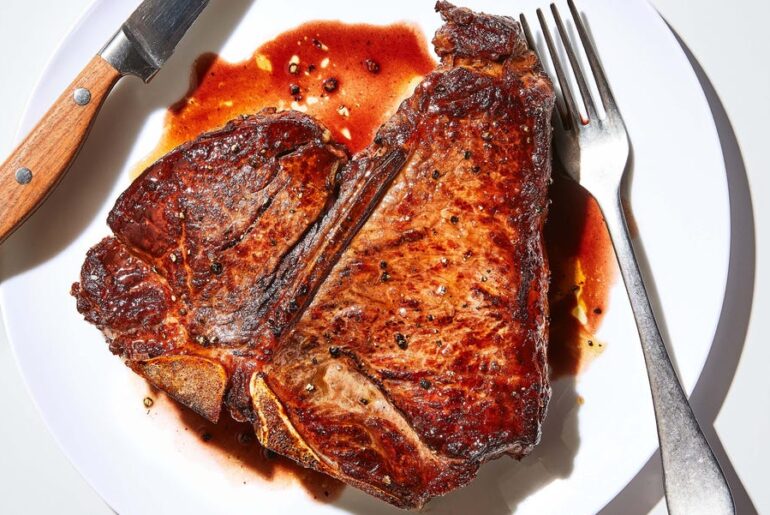
The researchers found that unhealthy versions of low fat and low carb diets that were high in animal-based fat and protein and refined carbohydrates were associated with a higher risk of coronary heart disease.
Oana Penciu, MD, a cardiologist with Keck Medicine of USC, who was not part of the study, said the findings are important.
“It’s not a surprise, but it’s the verdict we’ve been waiting for. For years, the debate over ‘low carb’ versus ‘low fat’ diets has been muddled by inconsistent research results. This study resolves years of conflicting data by showing that quality, not just quantity, is the missing variable,” Penciu told Healthline.
“This aligns with prior trials such as CORDIOPREV and DIETFITS, which showed that healthy versions of both diets — emphasizing plant-based proteins, unsaturated fats, and whole grains — provide similar protective benefits. The takeaway is clear: the source of your food matters far more than the label attached to it,” she added.
In the United States, both low carb and low fat diets are popular. But Penciu said that many people are missing the fundamentals in following these diets in a healthy way.
“There remains a significant gap in public awareness. While low carb and low fat diets are widely practiced, unhealthy versions — high in refined carbohydrates or animal fats — are still common,” Penciu said.
“A low fat diet high in sugar can be just as harmful as a low carb diet high in saturated fat. A low fat cookie is still a cookie. Past inconsistencies in research likely contributed to confusion, as studies often defined diets very differently,” she added.
In the United States, heart disease is the leading cause of death for both males and females, and for most racial and ethnic groups.
Every 34 seconds, someone in the United States dies from cardiovascular disease.
Coronary heart disease is the most common form of heart disease and, in 2022, was responsible for 371,506 deaths.
Maintaining a healthy diet is a key factor in reducing the risk of heart disease.
“Diet is an incredibly important component of cardiometabolic health. The food that you eat will influence cardiovascular risk factors such as blood pressure, cholesterol, and weight,” said Cheng-Han Chen, MD, board certified interventional cardiologist and medical director of the Structural Heart Program at MemorialCare Saddleback Medical Center in Laguna Hills, CA. Chen wasn’t involved in the study.
“In addition, the quality of your diet will affect the degree of inflammation in your body, further influencing your risk of heart disease,” he told Healthline.
Chen recommended eating a heart-healthy diet rich in plants, nuts, whole grains, and lean protein, and low in sodium, saturated fats, and processed carbohydrates.
“For cardiovascular health, we generally recommend a low fat diet. This study clarifies that the macronutrient components of the diet are also important and should be low in refined carbohydrates as well,” he said.
When it comes to choosing between a low fat or low carb diet, experts say both dietary patterns have benefits.
“Both low carb and low fat diets have merit for cardiometabolic health. For a patient of relatively normal weight with high cholesterol, a low fat diet may be preferable, said Mir Ali, MD, bariatric surgeon and medical director of MemorialCare Surgical Weight Loss Center at Orange Coast Medical Center in Fountain Valley, CA. Ali wasn’t involved in the study.
“Conversely, if weight loss is a primary objective, lowering carbohydrate intake is often beneficial. Recommendations must be tailored to the individual after a close clinical evaluation,” he told Healthline.
Ali recommended starting with small changes, such as replacing one unhealthy food at a time, to allow for a gradual transition. Drastic dietary overhauls are difficult to implement and even harder to sustain long-term.
Penciu said that instead of sticking to a specific diet, it can be helpful to focus on balance and whole foods.
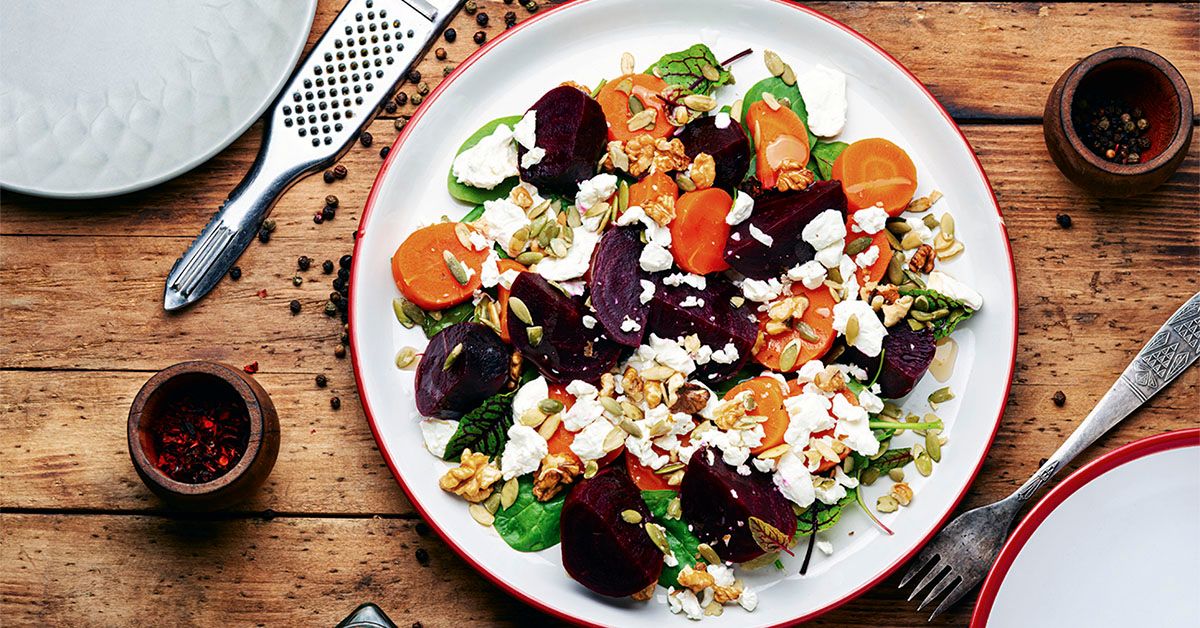
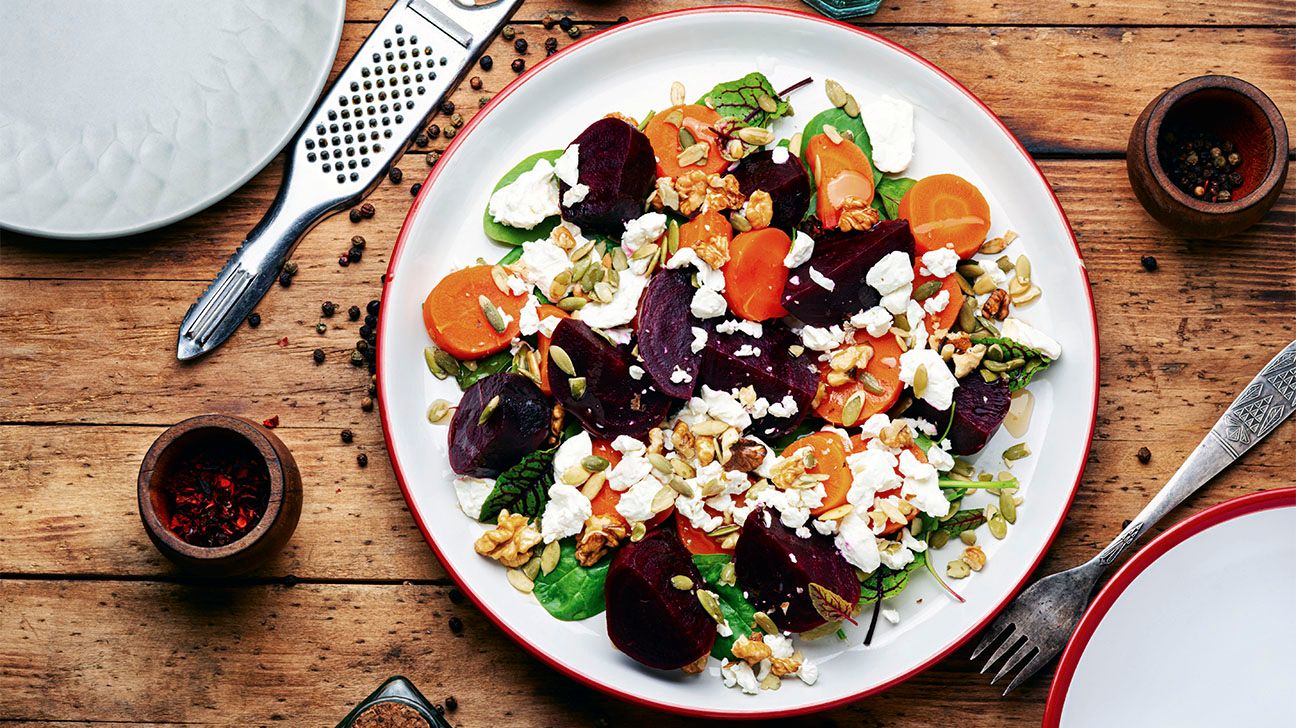
“Don’t stress the math; just eat real food. Build a balanced plate with vegetables, lean protein such as chicken, fish, eggs, beans, or tofu, and whole grains or starchy vegetables, like quinoa, brown rice, or sweet potatoes. Sprinkle in a little healthy fat (i.e., olive oil, avocado, nuts, or seeds) to make meals satisfying,” Penciu said.
“Keep flavors simple with herbs, spices, or a squeeze of lemon instead of sugary sauces, skip heavily processed foods when possible, and swap sugary drinks for water or tea. Focus on consistency and quality, not perfection. Small, steady improvements add up,” she concluded.