 When it comes to managing diabetes, there’s no one-size-fits-all approach. Most people rely on a mix of medications, lifestyle tweaks, and a so-called “standard diet,” but that standard isn’t really standard at all. What works for one person may not work for another because diabetes is super individual, your body, your metabolism, your routine all matter. Medications help keep sugar in check, but without moving a bit more, managing stress, and eating in a way that suits your own body, they can only do so much. It’s really about finding the balance that works for you. The findings of a new case report, published in Clinical Nutrition Research, highlights this. The case involves a male patient suffering from diabetes for 20 years despite being on medications and a diabetic diet who finally achieved remission of diabetes and hypertension by removing carbohydrates and following a carnivore diet.”A 58-year-old male patient suffering from type 2 DM and hypertension for 20 years visited our department in January 2024 asking for assistance after being advised to start insulin therapy and dialysis. All available records for the last 20 years were reviewed. The patient did not smoke and occasionally consumed alcohol,” the report mentions.
Diabetes diet: The right kind of macronutrients to add to the diet
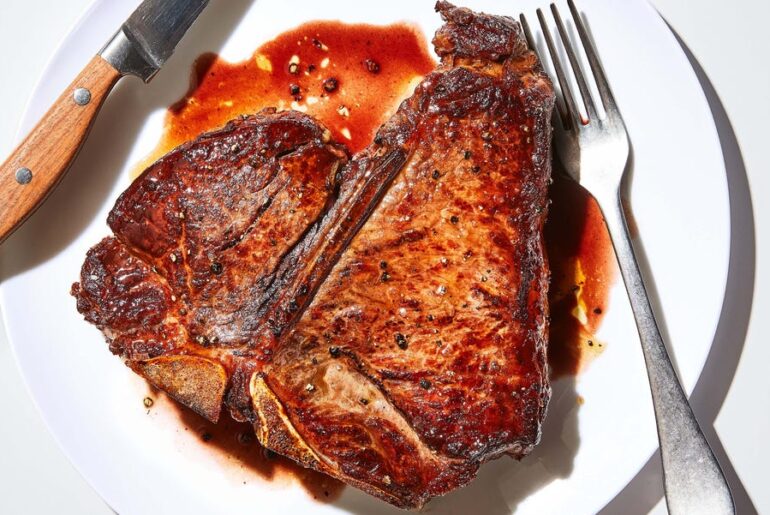
He was diagnosed with diabetes at 39. At first, it was managed with tablets, exercise, and a “standard diabetic diet” that was heavy on carbohydrates and frequent meals. Over the years, despite multiple medication changes, his blood sugar stayed poorly controlled. His HbA1c repeatedly climbed above 9–11%. Complications followed—fatty liver, diabetic eye disease, cataracts, high blood pressure, and eventually chronic kidney disease. By late 2023, his kidney function had worsened significantly, and in January 2024 he was labeled as having stage 4 CKD and advised immediate dialysis along with insulin.He refused both. 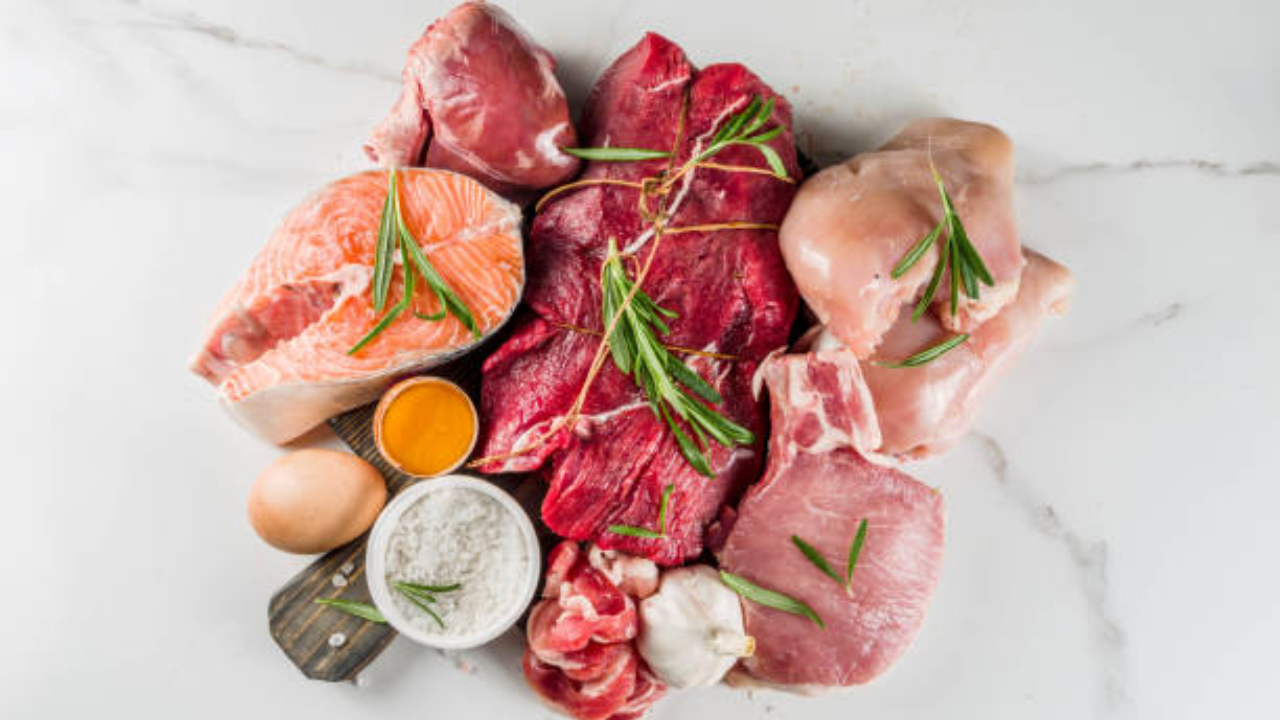 Instead, doctors placed him on a no-carbohydrate carnivore diet in mid-January 2024. He ate meat, eggs, and animal fats freely, cooked in ghee or butter, without portion control. He tracked his intake, monitored blood sugar and blood pressure daily, and added intermittent fasting when comfortable.The results were striking. Within months, his fasting blood sugar averaged under 100 mg/dL. His HbA1c dropped from 6.9% to 5.4% by April 2024. Blood pressure normalized. Kidney markers stabilized, and his doctors gradually stopped all diabetes and blood pressure medications. He was considered in remission from both conditions. Sadly, imaging revealed advanced kidney cancer with metastasis. Despite surgery, immunotherapy, and multiple treatments, he passed away in March 2025 due to cancer complications. Until his final days, however, he maintained normal blood sugar and blood pressure, without medications, while continuing the carnivore diet.
Case demonstrates an incredible result; however larger sample sizes will be needed to determine if there are any long-term risks
“This case demonstrates an incredible result for a diabetic man who has had type 2 diabetes mellitus for almost two decades. Prior to switching to a carnivore diet, he was prescribed multiple medications along with a lifetime of following the traditional diabetic diet to control his blood glucose levels but still did not have adequate control of his diabetes,” – Dr. Rajeev Chowdry, Director – Internal Medicine, Yatharth Super Speciality Hospital, Sector 20,Faridabad told TOI Health.“Metabolically, he had significant changes in his body within just a few months of following the carnivore diet. His blood sugar levels became stable and HbA1c levels decreased to almost normal levels. His medications decreased gradually over time and finally stopped completely. The patient also reported improvement in his high blood pressure. Experts have stated that the low levels of carbohydrates in the diet help to keep blood sugar levels stable after eating and to reduce the amount of insulin that is needed by the body, ultimately improving the body’s sensitivity to insulin,” he said.“It should be noted that this is an individual report. Further studies with larger sample sizes will be needed to determine if there are any long-term risks to his health, the adequacy of the diet nutritionally and if there are any cardiovascular risks associated with this kind of diet,” he added.Medical experts consulted This article includes expert inputs shared with TOI Health by: Dr. Santosh Kumar Agrawal, Director – Internal Medicine, Yatharth Super Speciality Hospital FaridabadInputs were used to explain why supplement overdose is a big health risk and why one should consult doctor before taking natural alternatives.