Millions of Americans are deficient in vitamin D, and many have turned to supplements as a result.
But some people say they felt sick from taking vitamin D supplements. To understand why this happens, we spoke to Morgan L. Walker, MS, RD, a registered dietitian at Lebanon Valley College.
*This interview has been edited and condensed for length and clarity.
Q: Some people online say that they felt worse after starting to take vitamin D supplements. Why might that happen?
Walker: Vitamin D is a fat-soluble vitamin that helps regulate calcium in the body, so when individuals feel worse after taking it, one of the more common causes is that excess vitamin D can raise blood calcium levels, also called hypercalcemia.
This can happen if very high doses are taken over time, but some people may be more sensitive even at moderate amounts. For example, those with kidney disease or disorders that alter vitamin D metabolism.
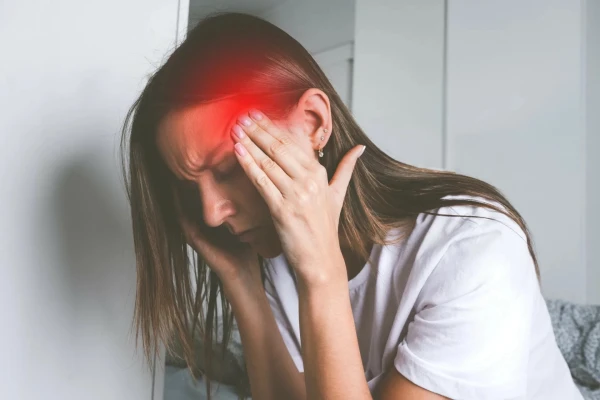
Symptoms related to elevated calcium can include nausea, constipation, fatigue, muscle weakness, headaches, increased thirst and urination, or feeling “foggy,” and in more severe cases, heart rhythm changes or kidney problems.
Other potential contributors include nutrient deficiencies, particularly magnesium, or intolerance to ingredients in the supplement itself.
Magnesium is required to activate and utilize vitamin D. Low levels can cause symptoms such as fatigue, muscle cramps, headaches, and sleep disturbances, and these may become more noticeable as vitamin D supplementation increases magnesium demand.
If symptoms develop soon after taking a supplement, intolerance to supplement ingredients is also a possibility. Since vitamin D is a fat-soluble vitamin, many vitamin D products contain carrier oils such as soybean, coconut, or corn oil to help with absorption.
Soy in particular is one of the most common food allergens, but someone could be intolerant to any one of these.
How Much Vitamin D Is Too Much?
The general tolerable upper intake level (TUL) for vitamin D for most adults is 4,000 IU per day, and intakes above this increase the risk of adverse effects over time, but symptoms can still occur at lower amounts in some people.
What Should I Do If I Feel Worse After Taking Vitamin D?
If someone feels worse after starting vitamin D, the safest course is to stop the supplement temporarily and ask for blood tests (including 25-hydroxyvitamin D, calcium, and kidney function) to determine whether levels are too high or if another issue is present.
Vitamin D is safest when dosing is individualized based on lab values, rather than taking very high amounts without medical supervision.
Verywell Health uses only high-quality sources, including peer-reviewed studies, to support the facts within our articles. Read our editorial process to learn more about how we fact-check and keep our content accurate, reliable, and trustworthy.
Cui A, Xiao P, Ma Y, et al. Prevalence, trend, and predictor analyses of vitamin D deficiency in the US population, 2001–2018. Front Nutr. 2022;9:965376. doi:10.3389/fnut.2022.965376
Malihi Z, Wu Z, Lawes CMM, Scragg R. Adverse events from large dose vitamin D supplementation taken for one year or longer. J Steroid Biochem Mol Biol. 2019;188:29-37. doi:10.1016/j.jsbmb.2018.12.002
MedlinePlus. Hypercalcemia.
National Institutes of Health. Vitamin D fact sheet for health professionals.

Miller is a journalist specializing in mental health, women’s health, and culture. Her work is published in outlets ranging from Vice to Healthnews.
Thanks for your feedback!
What is your feedback?
Helpful
Report an Error
Other