The Agriculture Department has issued new guidance to state and regional child nutrition program directors calling for them to consider how new dietary guidelines focused on how whole foods could be incorporated into school meals.
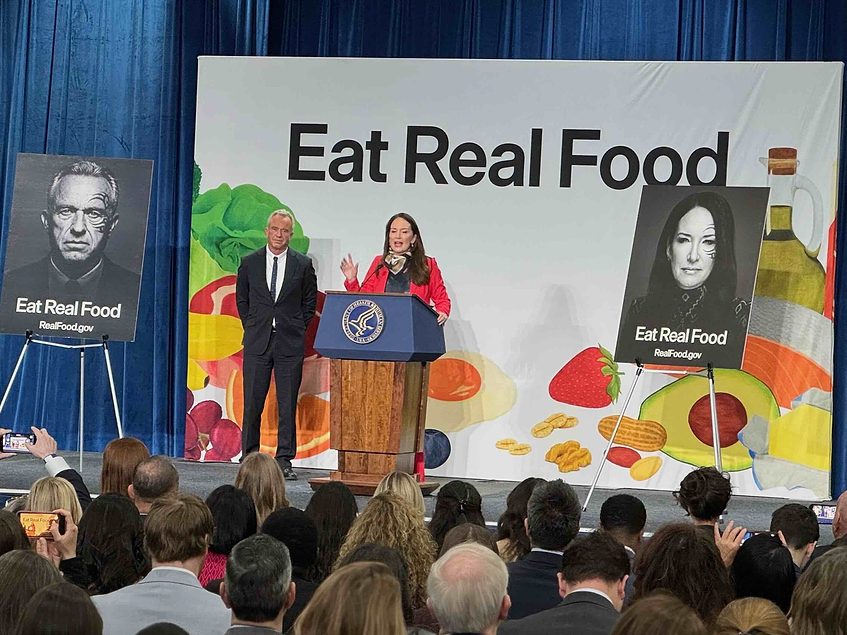
Ag Secretary Brooke Rollins announced the guidance at an event focused on the new dietary guidelines on Wednesday, saying it “kicks off an effort to update USDA child nutrition programs based on our DGAs (Dietary Guidelines for Americans) and this guidance, including through rulemaking and education.”
She said the agency was working on a proposed rule for school meals.
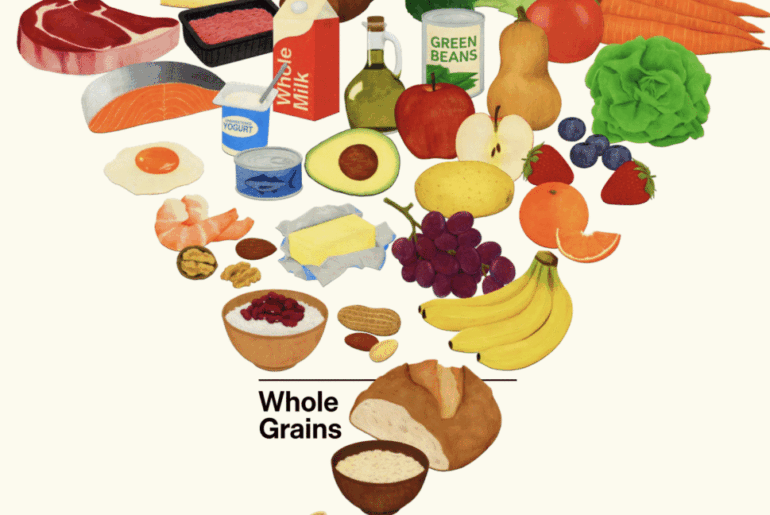
The guidance does not have the force of law, but suggests schools prioritize a variety of animal and plant proteins, dairy fat options that include whole and reduced-fat milk, vegetables of all types, healthy fats, and fiber-rich whole grains. It recommends they limit some highly processed foods, as well as added sugars and refined carbohydrates.
“Until a final rule implementing changes to meal requirements is complete, all operators should continue meeting current requirements while working towards providing the healthiest food options to program participants,” says the guidance.
White House nutrition policy adviser Calley Means, who also spoke at the event, held up a bag of Doritos chips and a donut and said both fell under previous federal nutrition recommendations that allowed them to be served in school lunches or breakfasts.
He also pushed for a return to scratch cooking and “whole food.” He pushed back on suggestions that schools “can’t afford a better diet,” arguing that the U.S. spends more on school lunches than other developed countries. He said Japan spends $3, and the U.S. military has a budget of $19 per day for its members.
“My suggestion is to think about eggs, to think about yogurt, to think about baked food and baked chicken instead of fried food,” Means said. “We can do this, and for the first time, this government has political will to do it.”
Many school nutrition directors say schools lack the infrastructure to support scratch cooking.
“For about $4.70, schools must prepare a healthy lunch that includes a milk, fruit, vegetable, protein and whole grain, while also covering labor, supplies, equipment, and all other operational costs of that meal,” Diane Pratt-Heavner, a spokeswoman for the School Nutrition Association, said in a statement to Agri-Pulse on Wednesday.
“As the goals of the DGAs call for a reduction in processed foods and greater emphasis on whole foods, it’s important to recognize that virtually all school meal program directors report needing more funding, staff, culinary training and equipment to further expand scratch cooking and reduce reliance on ultra-processed foods.”
In an SNA survey last month of school nutrition directors, 79.2% said they were in extreme need of more funding to expand scratch preparation and reduce reliance on ultraprocessed foods, while 62.5% said they were in extreme need of time to develop menus and 62.3% said they were in extreme need of more staff.
Some 71.1% of respondents to the SNA survey offered scratch-prepared entrees. A total of 1,240 unique school districts responded to the survey.
In the SNA survey, more than 70% of responding school districts said current reimbursement rates were insufficient to cover the costs of school lunches.
For more news, go to Agri-Pulse.com.