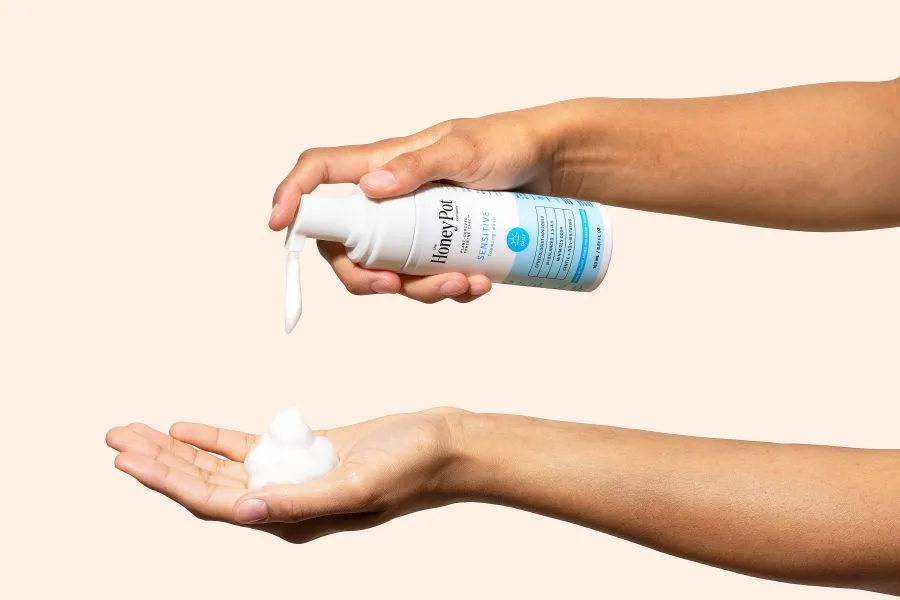
Consumers are demanding more from the intimate care market, turning away from legacy brands and toward independent players whose messaging more closely aligns with their desire for transparency.
This opening in the feminine care category has paved the way for brands like Honey Pot to thrive — allowing the wellness brand to target consumers’ unmet desires.
Over 80% of Honey Pot’s brand-switching customers are coming directly from legacy incumbents, such as Always, Tampax, Playtex, and Summer’s Eve, the company says. Jazmyn Williams, VP of Brand at Honey Pot, tells Personal Care Insights that legacy products aren’t serving modern needs.
“This reveals that… [legacy brands] are just the familiar choice. People switch to Honey Pot because they are seeking products with clear ingredient choices from a brand that wants to partner with them on their wellness journey.”

Honey Pot says younger people, primarily millennials and Gen Z, are the consumer base most attracted to its ethos of clarity, inclusivity, and stigma-free wellness. Eighty percent of Honey Pot buyers are under 35, compared to the category’s 50% average.
Solidifying space
Honey Pot claims to be the number one independent brand in vaginal wellness and is over three times the size of any other independent company. In 2025, the feminine care brand reports accounting for over one-third of total category growth.
Williams says that the reason the vaginal wellness category is receiving more cultural and retail attention now than ever before is less about momentum and more about correcting an industry that was previously rooted in shame and secrecy.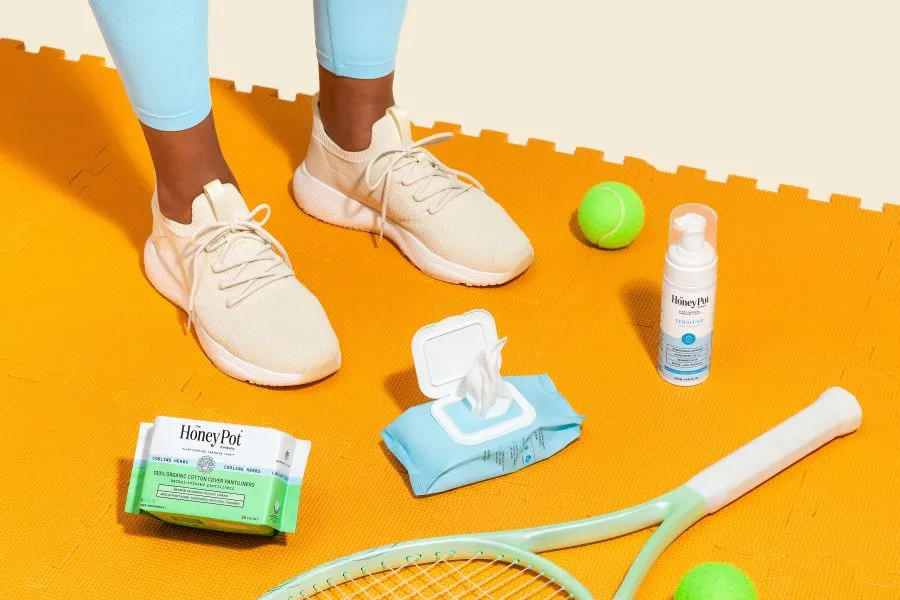 Transparency defines modern intimate care.
“Vaginal wellness is finally being treated like what it is: personal care — not a secret, not a side aisle, not a ‘when something’s wrong’ purchase,” states Williams.
“We’re watching culture catch up to reality — people have always needed intimate care, but they haven’t always been empowered to talk about it or offered the best products for the most sacred part of their body.”
Honey Pot reports experiencing 14% year-over-year growth in 2025. The brand’s performance in major retailers reflects the changing category and consumers’ craving for new intimate care solutions.
At Amazon, Honey Pot is said to be the highest-rated brand in the category, growing five times faster than category benchmarks. In Target, it is the third-ranked brand in vaginal wellness and the first independent feminine care brand by sales volume. For Walmart, it is the number one independent feminine care brand in sales volume and is growing nine times faster than the overall category.
“Creators and everyday people are talking about their bodies and how life changes (postpartum, perimenopause, stress, etc.) require different methods of care. Our retail partners notice that velocity and loyalty increase when their set is curated with safe and efficacious products that meet their customers’ unique needs,” says Williams.
Generational drivers
A major reason for the shift in the intimate care category is younger generations’ demand for open communication rather than fluffy language. Instead of intimate care being shrouded in flower imagery and flowery language, they want authentic, clear depictions of what their purchases offer them.
“Millennials and Gen Z are forcing the category to do what it should have always done: be honest, inclusive, and effective. As millennials age, they are focused on doing so in a way that prioritizes holistic wellness, not just physical symptoms,” says Williams.
“Gen Z discovers new brands from their peers — either in-person or on social media — and Honey Pot has passed their vibe check through thumb-stopping ‘edutainment’ and products that actually work.”  Vaginal wellness is becoming mainstream.
Williams’ use of “edutainment” is a portmanteau of education and entertainment, referring to media that is designed to teach while providing amusement. The importance of the blended content paints how personal care brands can communicate with young buyers in an evolving digital marketing landscape.
Honey Pot claims to have the largest and most engaged social community in feminine care. It boasts the best Instagram follower count in the category and over twice the following of the next-closest peer.
“We are watching our community build a ‘wash + wipe + period care + deodorant’ routine in the same way they build their skin care routines,” says Williams about the solidification of intimate care in the personal care category. “People are done compromising on what goes in, on, and around their bodies.”
Mainstream acceptance
Williams predicts that we are not far off from seeing a full integration of vaginal wellness into the mainstream personal care industry.
“In five years, vaginal wellness won’t be a ‘taboo category.’ It will no longer be exclusively tied to sex or shame. It will be normalized as part of personal care for the body. Consumers will continue to seek solutions built around their needs and life stages, and brands must work to anticipate those needs to gain a competitive advantage.”