
An Icelandic study has found that following the national nutritional guidelines for infants — exclusive breastfeeding and then transitioning to a healthy diet of solid foods and vitamin D supplementation — may lower the risk of overweight and obesity later in childhood.
The nationwide study used an infant diet score (IDS) system, dividing children into quintiles ranging from one to five, from least to most aligned with the public guidelines.
It found that poorer alignment with these guidelines was associated with a higher risk of obesity at six and nine years old: the lower the child’s quintile, the higher the risk of obesity.
“Obesity during childhood can negatively impact quality of life and significantly increase the risk of developing non-communicable diseases later in life, including several types of cancer and cardiovascular conditions such as hypertension and type 2 diabetes,” say the researchers.

 The children in the two lowest quintiles had higher obesity odds when reaching ages six and nine.Nationwide dataset
The study, published in Maternal & Child Nutrition, used the nutrition and anthropometric data of all children born in Iceland between January 2009 and June 2015.
The authors detail that nutrition during the first year of life undergoes significant changes, transitioning from breast milk to foods.
The study includes the timing of transitioning from exclusive breastfeeding to the introduction of semi‐solid or solid foods, dietary diversity, vitamin D supplementation, and cow’s milk after 12 months old.
Seven percent of children were categorized as overweight or obese at 2.5 years old and 4% at four years old. At age six, 27% were overweight and 8% of those obese, and 38% overweight at nine years old, out of which 15% were obese.
The children in the two lowest quintiles had higher obesity odds (38–58%) when reaching age six and nine, compared to the children in the highest IDS quintile.
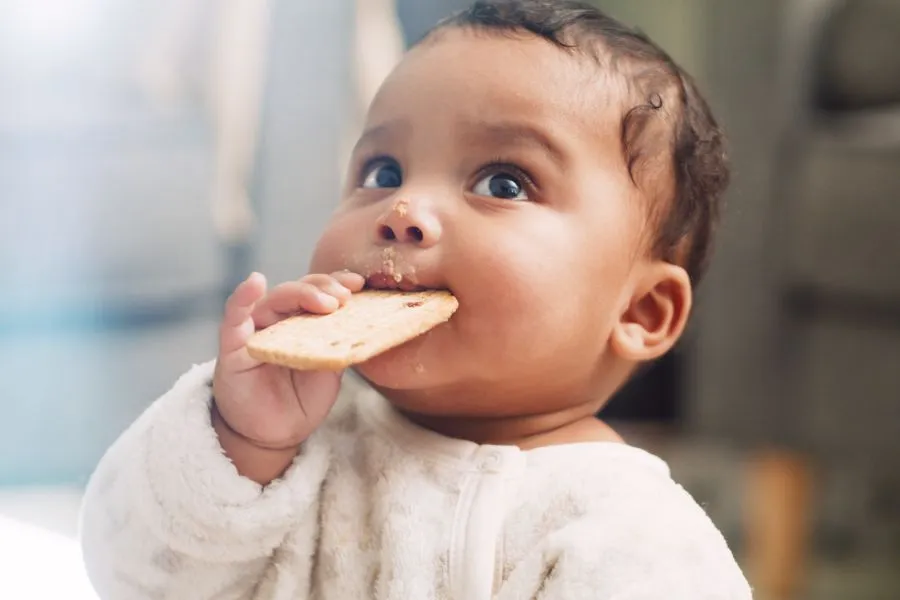 Based on the findings, the scientists encourage people to follow public nutritional guidelines.Global issue
Childhood and adolescent obesity and overweight rates quadrupled globally between 1990 and 2022, according to data from the WHO. Obesity has also overtaken undernutrition among children globally.
A previous study found that food insecurity in the early lives of children or their pregnant mothers also increases kids’ chance of developing obesity, or severe obesity, in childhood and adolescence by 50%.
Another study found that 71% of US baby foods are classified as ultra-processed foods, including infant and toddler products sold in the top ten US grocery store chains.
In the Icelandic research, breastfeeding was also associated with a reduced risk of obesity. However, this was only significant until age nine.
The researchers stress that more research is needed to determine the causes of obesity, as the field is complex. However, they do encourage people to follow dietary recommendations for babies.
“Promoting alignment with infant nutrition guidelines during the first year of life supports primary prevention of childhood obesity. Public health strategies should prioritize improving diet quality in infancy, including through targeted education and support for parents and caregivers within the healthcare system,” the study concludes.