We all know the importance of eating a balanced diet for our health. But should what we eat change depending on our age?
While babies and young children need nutrients to grow and develop, and teenagers need more calories during puberty, what about when we’re in our 40s and 50s?
Dietitian Kiri Pointon-Bell explains that tailoring what’s on our plates to our life stage could help us live longer and stay healthier in the years ahead.
“Proper nutrition is a key strategy to support quality of life and ageing well throughout our lifespan,” she tells Yahoo UK.
“When we’re younger, our nutrition goals should be to build peak bone density and muscle mass. In midlife, as we naturally begin to lose muscle mass, we’re looking to maintain strength and muscle function. And in older age, nutrition could help sustain or minimise the loss of muscle function.”
At every stage of life, however, the dietitian advises a nutritionally balanced diet, based on the Mediterranean way of eating – think plenty of fruit and veg, pulses, wholegrains, heart-friendly fats like olive oil, and lean proteins like fish and chicken.
Research shows that following a Mediterranean diet could help us live longer, and reduce the risk of obesity and chronic diseases such as cancer, type 2 diabetes and heart disease.
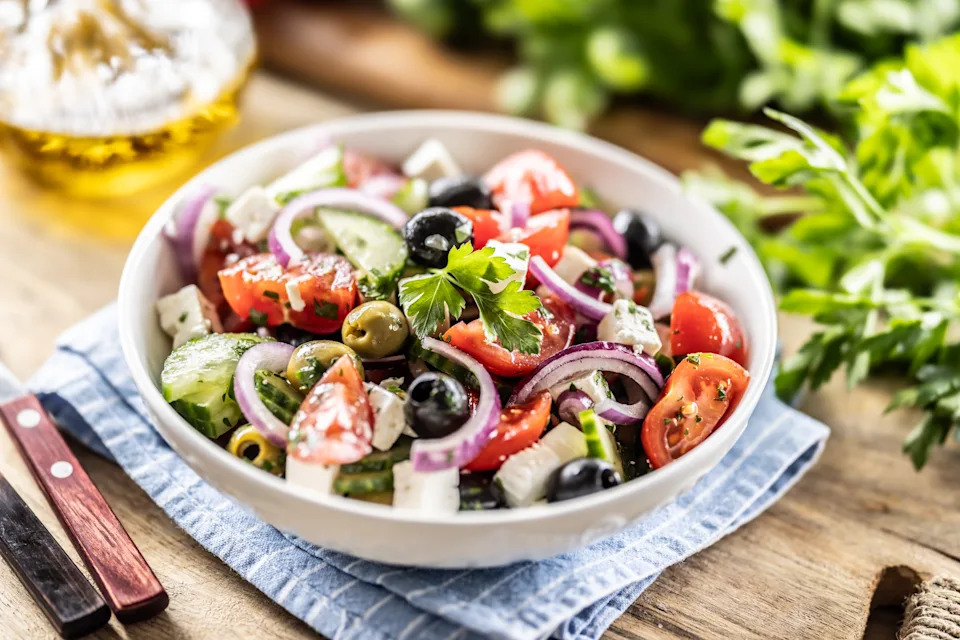
Eating a Mediterranean-style diet, including plenty of fruit and veg, is advised.
(SimpleImages via Getty Images)What to eat in your 40s and 50s
In your 40s and 50s, Pointon-Bell says it’s particularly important to ensure you’re getting enough of the following nutrients to support long-term health:
Protein for muscle strength
Vitamin D for healthy bones and teeth
As we head towards our 40s, there’s a gradual natural decline in muscle mass and strength, known as sarcopenia, as well as a decline in bone mineral density.
“That’s why it’s important we’re getting adequate amounts of protein, calcium and vitamin D to preserve bone density and muscle strength into later adulthood,” says the British Dietetic Association spokesperson.
She also recommends incorporating strength training into your exercise routine. Weightlifting or bodyweight exercises such as press-ups and lunges can help preserve lean muscle mass, support bone density and support your metabolic rate.
For women, hormonal changes can also come into play in midlife, with the menopause typically occurring between the ages of 45 and 55, according to the NHS.
Low oestrogen levels after your periods stop can cause a loss of muscle mass and mineral bone density, as well as an increased risk of coronary heart disease.
Low oestrogen can also cause weight gain and Pointon Bell says changes to your body shape may be particularly noticeable due to an increase in visceral fat, which is stored around the organs in your abdomen, such as the liver, pancreas and intestines.
“This type of fat is a risk factor for type 2 diabetes, heart disease, stroke and inflammation,” she explains. “Focusing on a healthy, balanced diet is really important during perimenopause and post menopause to prevent excessive weight gain and support overall health.”
The 3 nutrients to focus onProtein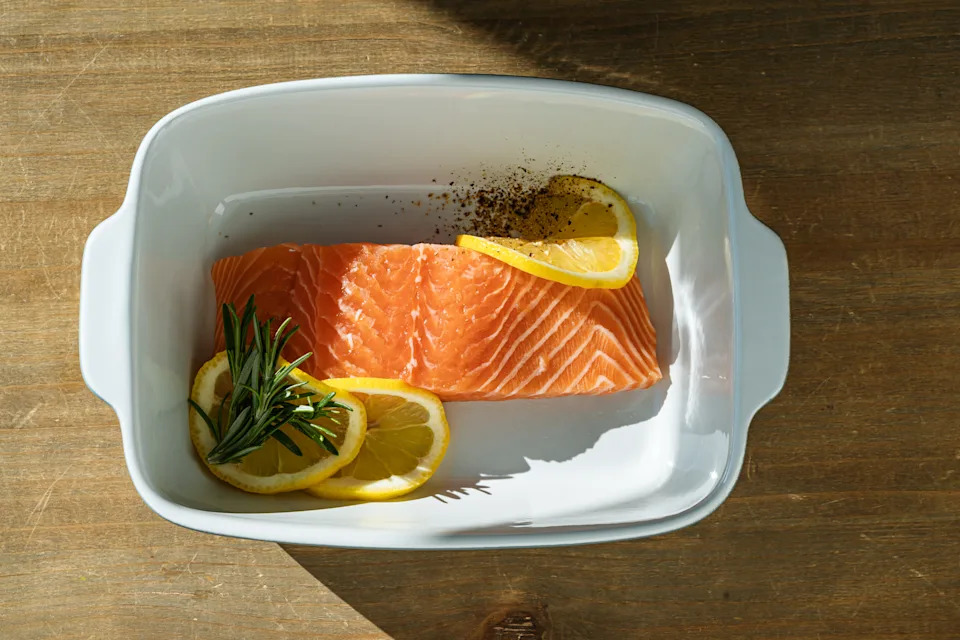
Adults need 0.75g of protein per kilogram of body weight per day.
(istetiana via Getty Images)
Good sources: lean meat, fish, poultry, eggs, pulses, soya, nuts, tempeh and tofu
Protein helps our muscles and bones grow and repair, supports our immune system and provides energy – making it important as muscle mass begins to decline. The recommended protein intake for adults is 0.75g per kilogram of body weight per day. That’s around 45g for someone weighing 60kg and 55g for someone weighing 75kg.
“If you’re very physically active, you may need more,” says Pointon-Bell. “People with high activity levels often require at least 1-1.2g of protein per kilogram per day due to higher muscle turnover.”
Calcium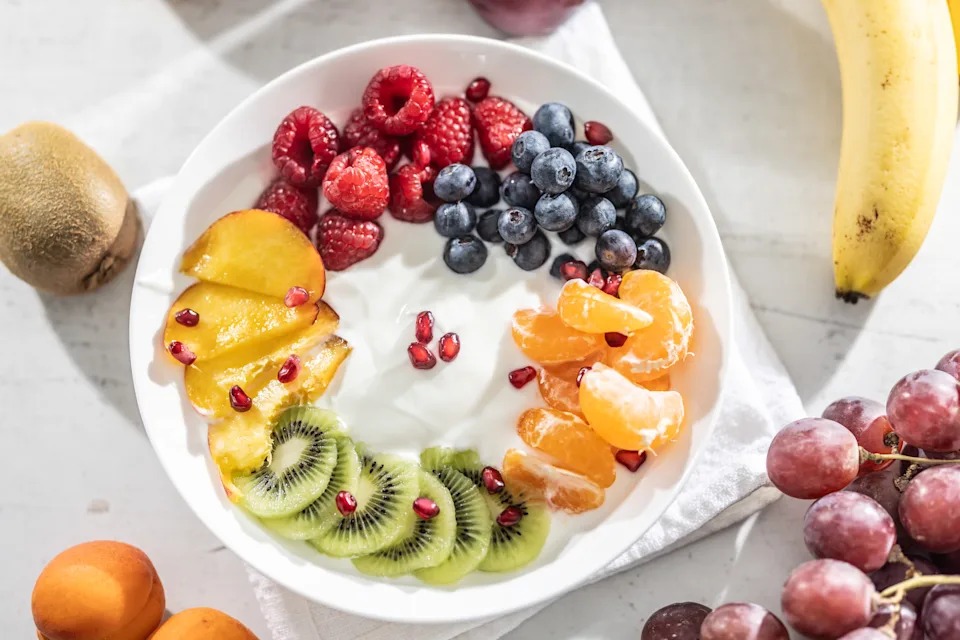
Yoghurt is a good source of calcium.
(SimpleImages via Getty Images)
Good sources: dairy milk, yoghurt, calcium-fortified plant milks, calcium-set tofu and sardines with bones in
Calcium is important for building bones and keeping teeth healthy. It also regulates muscle contractions – including the heartbeat – and helps blood clot normally.
Not getting enough calcium can lead to health conditions like osteoporosis, where bones are fragile and more likely to break, and osteopenia, the stage before osteoporosis.
While anyone can develop the health conditions, the risk increases as we age. Women are also more prone as bone is lost rapidly in the first few years after the menopause. ”An estimated 50% of post menopausal women, compared to only 20% of men over 50, go on to develop osteoporosis,” says Pointon Bell.
The recommended daily amount of calcium is 700mg for most adults and 1200mg if you have osteopenia and osteoporosis. A 200ml glass of milk contains approximately 250mg – more than a third of your daily needs.
Vitamin D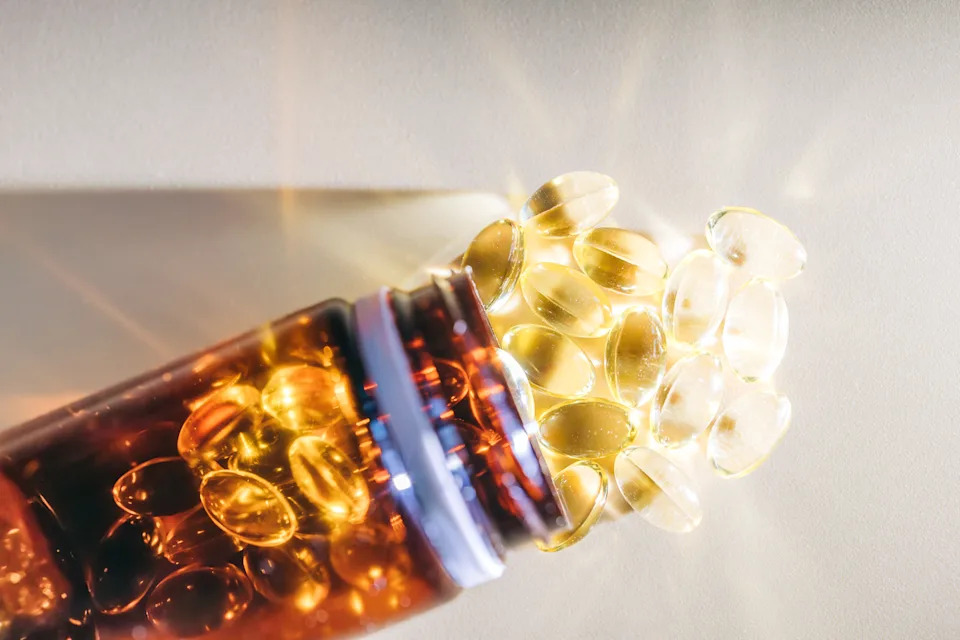
It’s advised to take vitamin D supplements during the autumn and winter months.
(Olga Pankova via Getty Images)
Sources: supplements and a small number of foods, including egg yolks, oily fish, liver and fortified foods like some cereals
“Vitamin D has an important function in bone health as it promotes the absorption of calcium from the intestines,” explains Pointon-Bell.
The body creates vitamin D through sunlight. Between October and early March, when there’s not much sun in the UK, the Department of Health and Social Care recommends most adults take a supplement of 10mcg a day. People with darker skin or limited sun exposure may need to supplement year-round.
What should my plate look like?
Pointon-Bell recommends “Having regular balanced meals of a Mediterranean style diet”. Aiming to have the following on your plate and using healthy fats, like olive oil, for cooking “should provide the broad spectrum of micro and macronutrients required for body systems to work well and age well,” she notes
A simple guide for each meal:
One third high-fibre carbohydrates
One third lean protein (around 20–25g per meal)
One third vegetables or salad of a variety of colours
“Aiming for a couple of snacks containing around 20g protein a day will also help preserve lean muscle mass,” the dietitian adds.
Fibre intake is another key consideration. Fibre supports digestion, helps you feel fuller for longer, and is linked to a lower risk of heart disease, stroke, type 2 diabetes and bowel cancer. The recommended daily intake is 30g, yet only 4% of UK adults meet this target.
“Aim to reduce ultra-processed foods, which are often low in fibre, and eat more fruit, vegetables, nuts, seeds, pulses and wholegrains,” Pointon-Bell advises.