Clean beauty became a huge cosmetics trend in the 2010s, prompting major retailers to pay more attention to ingredients. Ulta Beauty’s Made Without List became an industry standard, alongside Clean at Sephora, Credo Beauty, and subscription boxes like Kinder Beauty and Petit Vour.
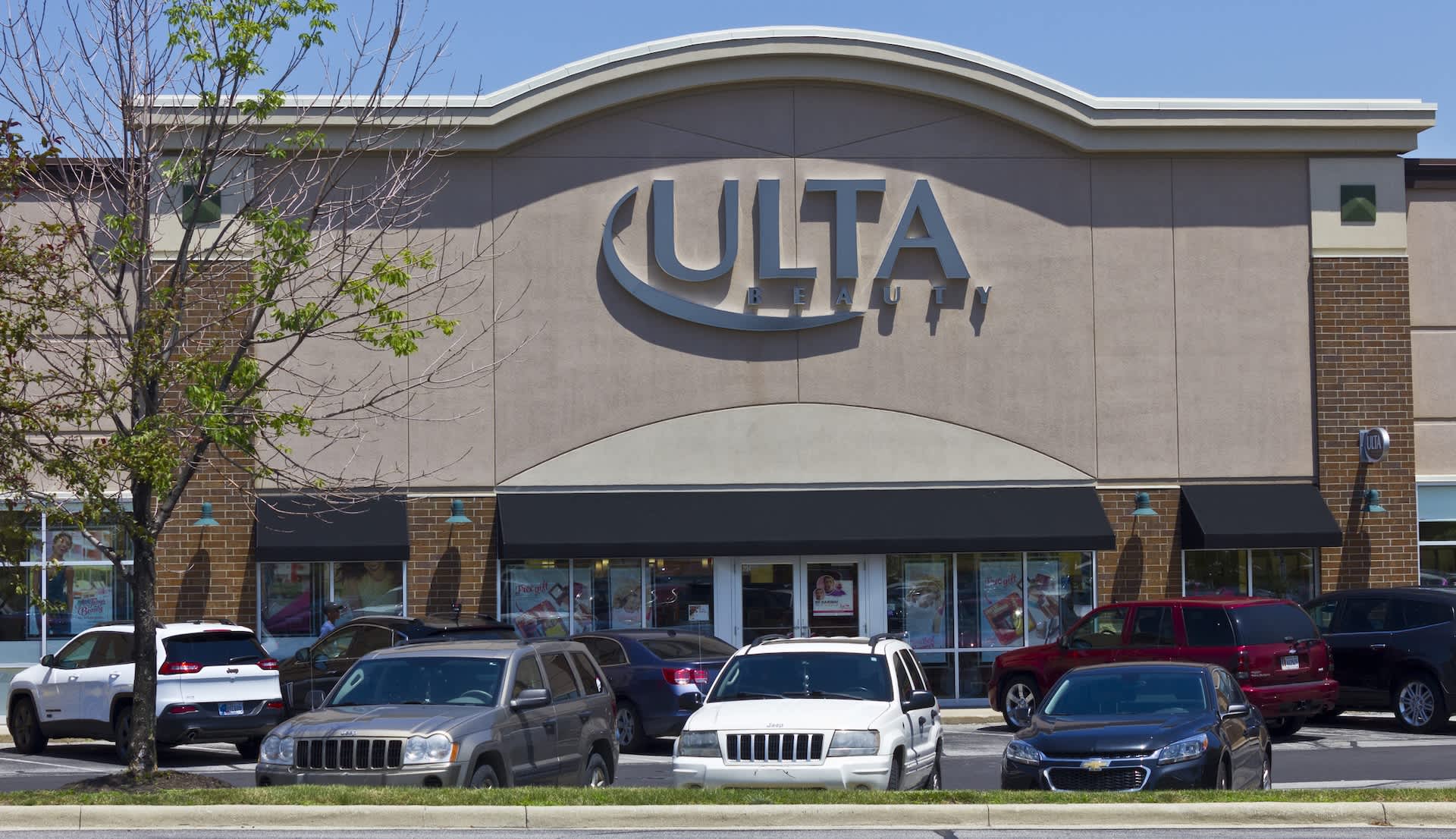
Unfortunately, Cosmetics Business reported that a class-action lawsuit claims that Ulta’s clean beauty claims may be misleading.
What’s happening?
Ulta Beauty was served a class-action lawsuit alleging that the company misled its customers through its Conscious Beauty program, according to Cosmetics Business. The lawsuit filed in California claims that products that had the Conscious Beauty banner contained ingredients that were allegedly banned.
Margaret Garvey is the plaintiff in the lawsuit. She claimed in the file that she and others “suffered an injury in the amount of the purchase price and/or the premium paid.”
Ulta Beauty responded in a statement to Cosmetics Business: “We take our commitment to Conscious Beauty at Ulta Beauty seriously and are committed to providing our guests transparency around our Conscious Beauty criteria, how products are formulated and packaged, and how brands are enrolled and verified in our Conscious Beauty pillars, so our guests can make informed choices about the products they use.”
Why is clean beauty important?
The Made Without List was created in 2020 and includes brands that meet five criteria: cruelty-free, vegan, sustainable packaging, positive impact, and clean ingredients. Banned ingredients are easily found on Ulta’s website. They include potential endocrine and environmental disrupters like parabens, sulfates, phthalates, and PFAS.
PFAS, nicknamed “forever chemicals,” pose problems for both human health and the environment. Once they are in water or the human body, they’re almost impossible to remove. Many studies have linked them to tumors and cancer of the kidney and liver, weakened immune systems in children, and reproductive issues, among others.
The average person uses a dozen products a day in their hygiene and beauty routine, according to the Environmental Working Group. That means the amount of possibly harmful chemicals products expose people to can add up quickly. The same goes for those chemicals’ presence in drains that feed into waterways.
If retailers don’t follow up on their eco-friendly actions, their greenwashing can lead to a loss of customer loyalty and a gain of adverse reactions.
What’s being done about this clean beauty lawsuit?
Customers who qualify can join the class action lawsuit. Additionally, it’s recommended that consumers educate themselves about the ingredients they use, so they can be aware of what they are putting on their skin or ingesting.
Ulta Beauty added in its statement to Cosmetics Business, “We are proud of the progress we have made since launching Conscious Beauty five years ago and remain committed to furthering transparency and positive change in the beauty industry.”
Get TCD’s free newsletters for easy tips to save more, waste less, and make smarter choices — and earn up to $5,000 toward clean upgrades in TCD’s exclusive Rewards Club.