Hearing that 2026 is tipped to be ‘all about fibre’ could make one sceptical. But experts say this is more than just a passing fad
Health trends come and go, and none more so than a food fad. Whether it’s hitting our macros, intermittent fasting or fibremaxxing, it’s safe to say that eating a healthy, balanced diet can feel like a minefield.
So, when we heard that 2026 is tipped to be all about fibre, we were sceptical. After all, we’ve just got to grips with a high-protein plate; how are we going to fit more fibre in, too? However, after doing a little digging, it’s clear that this is one trend we could all benefit from.
In case you missed it, fibre has moved on since the 80s: forget bland, brown roughage for breakfast and get on board with the consequential benefits of upping your fibre intake; we’re talking lowered risk of all-cause mortality, improved cognition, reduced risk of certain cancers and improved heart health. But our bodies can’t digest or absorb fibre, meaning it’s actually vital we consume it every day.
New FeatureIn ShortQuick Stories. Same trusted journalism.
“Fibre is a type of carbohydrate found in plant foods that our bodies can’t fully digest,” explains specialist registered dietician and author of How Not To Eat Ultra-Processed, Nichola Ludlam-Raine. “Instead of being broken down for energy, it passes through the gut, where it plays an important role in digestion, blood sugar control, cholesterol levels and feeding our gut bacteria.”
There are, broadly speaking, two different types of fibre: soluble and insoluble, and it’s important we’re getting a good mix of both. “Soluble fibre forms a gel and helps with cholesterol and blood sugar regulation,” says Ludlam-Raine, “while insoluble fibre adds bulk and supports regular bowel movements.”
Despite the fact that fibre plays a vital role in overall health and well-being, recent research from the University of Reading reveals that in the UK, all age groups are falling short of their daily targets – averaging just 18g per day rather than the recommended 30g. This is putting us all at increased risk of cardiovascular disease, high cholesterol, digestive issues and more.
But the experts are unequivocal: fibre isn’t a passing trend. “Food trends tend to come and go, but fibre isn’t a fad nutrient,” Ludlam-Raine stresses. “It’s been consistently linked to better health outcomes for decades. Unlike protein, which the majority of people already get enough of, fibre is something most of us (96 per cent) are significantly lacking. Fibre also plays a unique role by feeding gut bacteria – something no other nutrient does in the same way.”
If you’re keen to jump on the fibre train (and, trust us, you should be) but not sure where to start, the good news is that the experts advocate incorporating small tweaks to our everyday diets to get more roughage; music to our ears, indeed.
“Boosting your fibre intake doesn’t require a complete diet overhaul,” agrees Dr Corinna Chidley, senior lecturer in health and performance nutrition at the University of Derby. “Small changes add up to a big impact – your gut will thank you.”
Here are all the ways dieticians themselves hit those goals.
Get on board with beans
“The best fibre sources are often the simplest ones,” notes registered nutritionist and author of The Fibre Effect, Emma Bardwell. “Beans, lentils and chickpeas are fibre powerhouses, with around 6-8g per half-tin. If you find beans tricky to digest, start with microdosing for a week and gradually build up to half a can at a time.”
Switch to wholegrains
“One of the simplest changes you can make is to switch to wholegrain versions of your everyday carbs,” shares Chidley. “For example, swapping two slices of white bread for wholemeal adds around 3g of fibre, and switching 75g of white pasta for wholewheat gives you an extra 3.6g.”
Keep some skin in the game
“Skip your peeling meal-prep routine!” advises Dr Megan Rossi, gut health scientist and registered dietitian and nutritionist. “Of course, not every peel is edible (think pineapples, bananas, etc). But when it’s safe to do so (kiwi, cucumber, mushrooms, aubergine) keeping the skin on is an easy win that can stack up to meaningful benefits for your gut health with no extra effort, and can save you time and help you cut down on your food waste too. The skin can contain up to 50 per cent of the total fibre – just make sure you rinse thoroughly with water to help remove pesticide residue.”
Add in, don’t take away
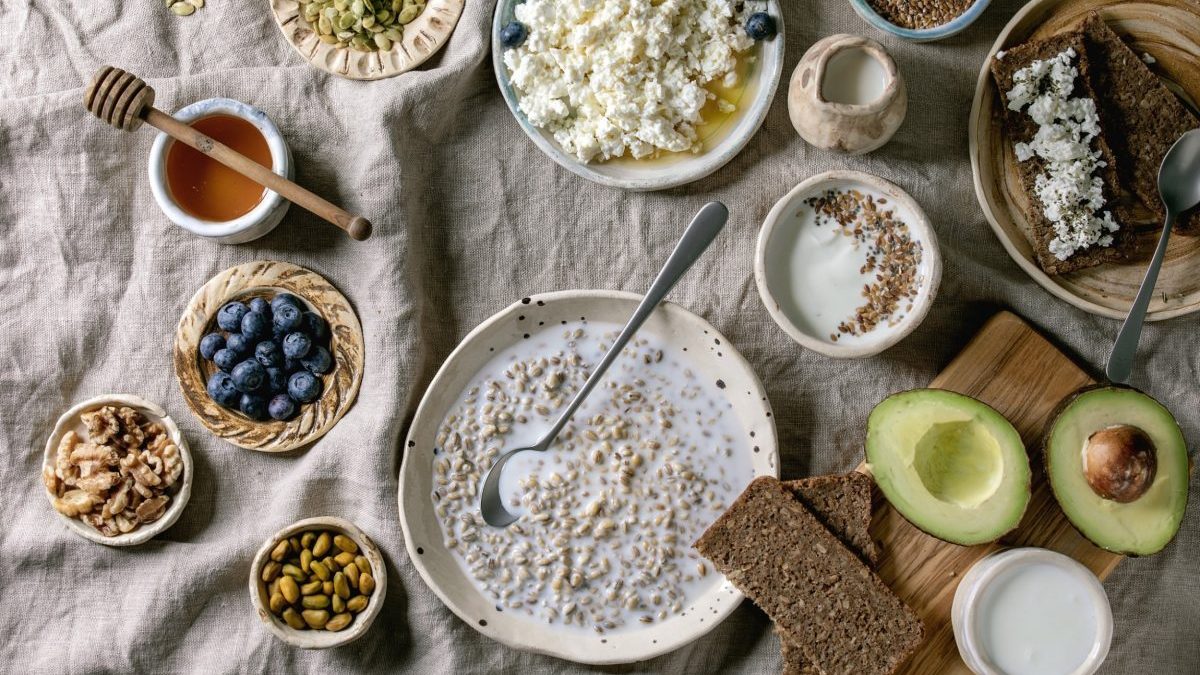
Upping your fibre intake is all about adding goodness into your everyday diet – no restriction here. A few extra handfuls of fibre-rich ingredients might be all that’s needed to take your meals from average to fibre-full. “Try adding a piece of fruit or a handful of berries to breakfast or snack time, and including an extra vegetable or salad at lunch or dinner,” suggests Ludlam-Raine. “In fact, small changes are key because they’re more sustainable and better tolerated by the gut. Increasing fibre too quickly can cause bloating or discomfort, which puts people off.”
Level up your snacks
There’s more good news: snacks are strictly on the menu, here – just be sensible about your choices. “Snack on berries, raw vegetables with hummus, or a small handful of nuts — all easy fibre wins,” advises registered dietician and head of nutrition at MyFitnessPal, Melissa Jaeger. “There’s also another win, here: fibre-rich foods tend to be whole, minimally processed options – exactly what people are gravitating toward as they seek alternatives to ultra-processed foods.”
Don’t sleep on seeds
They may be tiny, but seeds really are mini-nutritional powerhouses, and pack a real punch when it comes to boosting fibre intake. “I love adding a spoon of mixed seeds to porridge, cereal, yoghurts, soups and salads,” shares Ludlam-Raine. “I keep a variety jar of mixed seeds in my kitchen for this purpose – they’re so easy to add in, especially if they’re out on your kitchen counter.”