Key Takeaways
Quail eggs have more cholesterol than chicken eggs, which can be a concern for heart health. Quail eggs offer slightly more protein than chicken eggs, but the difference is small. Chicken eggs are more affordable and readily available.
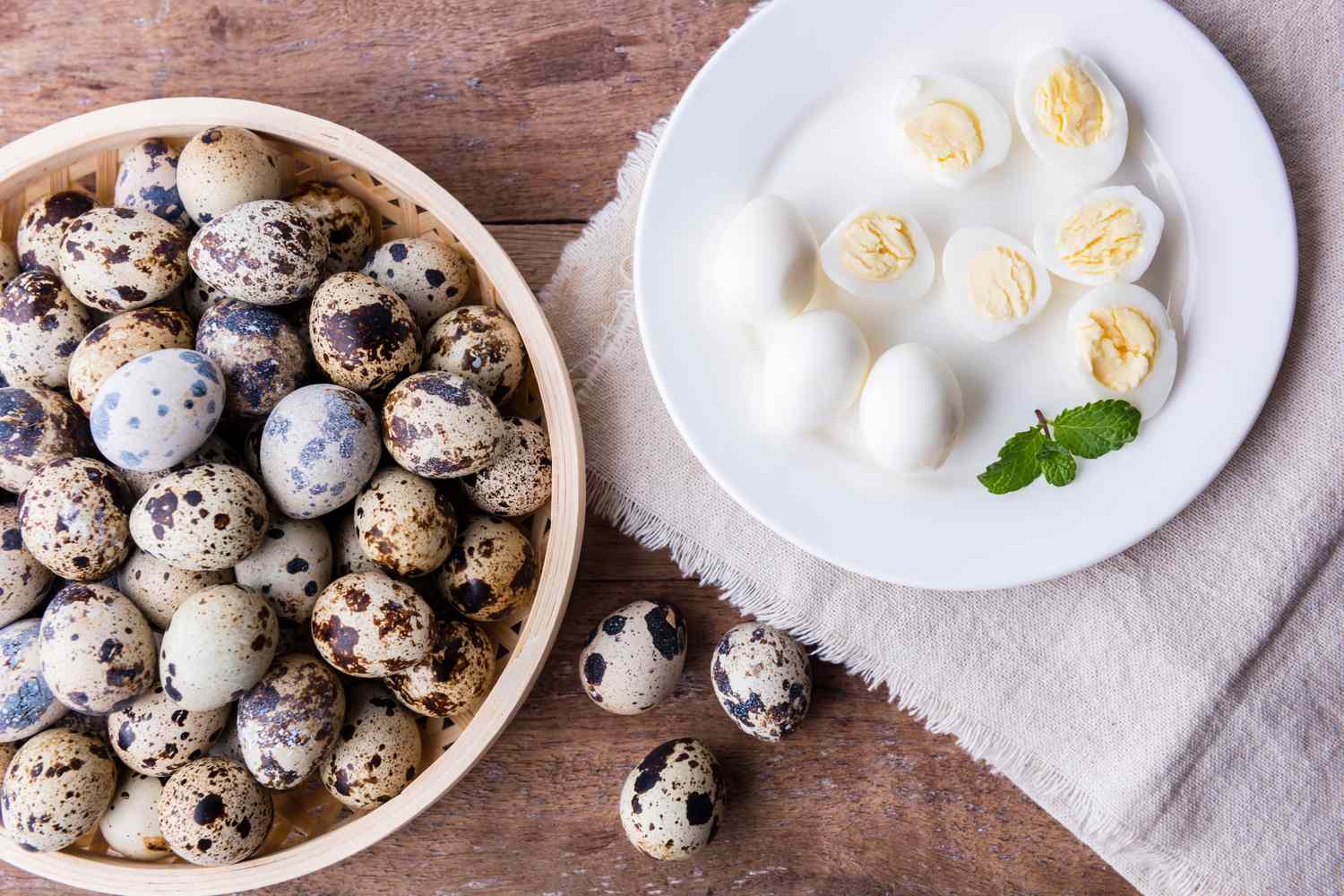
Quail eggs, like chicken eggs, can be a great snack if you’re trying to up your protein intake. Quail eggs are smaller than chicken eggs, and they have slightly more protein along with some other nutrients. However, they also contain more cholesterol and are quite a bit more expensive.
Quail Eggs Have More Cholesterol Than Chicken Eggs
If you have high cholesterol, quail eggs may not be the best choice.
“Quail eggs do contain more cholesterol per gram, which is something to be aware of, but I would say the biggest drawback is cost,” Leah Barron, RD, LD, CPT, a dietitian at The Baseline Lifestyle Co., told Verywell.
Quail eggs are also higher in calories and fat, and they provide less choline, said Julia Zumpano, RD, a dietitian at Cleveland Clinic. Because they are higher in cholesterol, quail eggs might not be an ideal choice for people following a heart-healthy diet.
Quail Eggs Have More Protein Per Gram
Quail eggs contain slightly more protein per gram than chicken eggs, but the difference is small and unlikely to matter nutritionally, Zumpano said.
Cost is another factor. Despite their smaller size, quail eggs are typically more expensive than chicken eggs.
“The average price for a dozen quail eggs varies from $4-$10, and currently the cost of chicken eggs is about $5 per dozen,” said Barron. “In order to get the same amount of nutrition from your quail eggs as you do from chicken eggs, you would end up spending about five times the cost of a dozen chicken eggs.”
Chicken Eggs vs. Quail Eggs: Nutrition Comparison
According to Barron, quail eggs are essentially mini chicken eggs when it comes to nutrition.
“It would take about five quail eggs to get the same calories, fat, and protein as one chicken egg,” she said.
Chicken and quail eggs contain the following:
Chicken egg (50.3 grams)
Quail egg (9 grams)
Calories
72
14
Protein
6 g
1 g
Fat
5 g
1 g
Calcium
24 mg
6 g
Iron
0.84 mg
0.33 mg
Magnesium
6 mg
1 mg
Potassium
66 mg
12 mg
Sodium
65 mg
13 mg
Riboflavin
0.21 mg
0.07 mg
Choline
169 mg
24 mg
Vitamin B12
0.5 mcg
0.14 mcg
Both Types of Eggs Have Nutrition Benefits
Quail and chicken eggs are very similar from a nutritional standpoint.
“Both quail and chicken eggs provide protein, fat, and various micronutrients, including B vitamins; fat-soluble vitamins like vitamins A, D, and E; as well as minerals like zinc and selenium,” said Barron.
Chicken eggs do have some advantages. “Chicken eggs have higher concentrations of other nutrients like copper and vitamin D,” Barron added.
However, quail eggs have higher concentrations of other micronutrients. “They provide double the iron and riboflavin, and about one-third more vitamin B12,” said Zumpano.
Verywell Health uses only high-quality sources, including peer-reviewed studies, to support the facts within our articles. Read our editorial process to learn more about how we fact-check and keep our content accurate, reliable, and trustworthy.
United States Department of Agriculture (USDA). Eggs, Grade A, Large, egg whole.
United States Department of Agriculture (USDA). Egg, quail, whole, fresh, raw.

O’Neill is a reporter who covers new medical research and addiction. She previously worked at SELF magazine and Health.com, and she was a 2020 fellow at the Association of Health Care Journalists.
Thanks for your feedback!
What is your feedback?
Helpful
Report an Error
Other