While world athletes compete at the 2026 Winter Olympic Games in Milan, many of them treat themselves to pasta and pizza, while adhering to strict nutrition plans and training regimens on ice, snow, and tracks.
For many athletes, knowing when and what to eat can prove to be no less important than the hours of active preparation.
In the main dining hall of the Olympic Village in Milan, athletes and team members receive a variety of menus throughout the day, tailored to personal needs and cultural preferences. According to official sources, about 3,000 eggs and roughly 450 kg of pasta are prepared here each day.
The main dining hall serves about 3,400 meals per day across six food stations, and the diets are closely tied to training intensity.
Nutrition experts emphasize that this level of meal organization supports the physical demands and helps athletes reach peak performance during competitions.
Nutrition as the engine of training and recovery
“Nutrition supports real physical training and fuels peak performance.”
– Kristen Gravani, a dietitian specializing in performance nutrition and food allergies at Stanford University
Due to the high activity of athletes, they usually burn far more energy than an average person. For example, during Olympic preparation, American swimmer Michael Phelps recalled consuming 10,000 calories a day, and Jamaican sprinter Yohan Blake said he ate 16 bananas every day.
Alongside general considerations about caloric intake, there are practical tips that anyone can adopt: from a balanced combination of foods to meal timing throughout the day.
Although Gravani’s dietary recommendations for highly active athletes differ from conventional principles, the main idea is to draw inspiration from how Olympians eat and adapt these principles to your own routine.
In many competitions, nutrition and meal timing can determine the effectiveness of training, recovery speed, and the final result.
One of the basic rules in the morning is to eat something before the start. “It doesn’t matter exactly what, the main thing is to support a stable blood sugar level and good hydration,” explained Dan Benardot, a professor at Emory University and a registered dietitian.
“One of the most important things for an athlete in the morning is to eat something before starting training. It doesn’t have to be a lot; the main thing is to support normal blood sugar and hydration.”
– Dan Benardot, a professor at Emory University and a registered dietitian
Before training, it’s useful to have a light snack. According to Gravani, this could be a low-fiber fruit or crackers with a small portion of protein or healthy fats. For example, a banana with a spoon of peanut butter is an excellent option.
After training, it’s recommended to combine protein with carbohydrates, with the amount of carbohydrates depending on the nature of the load. “Longer endurance workouts require more carbohydrates than shorter or strength workouts,” Gravani explained. “Protein smoothies are a universal recovery option.”
Beet juice is often cited as a beneficial addition to recovery: it can support fat metabolism, reduce muscle soreness, and accelerate recovery after high-intensity workouts thanks to its antioxidants and anti-inflammatory properties.
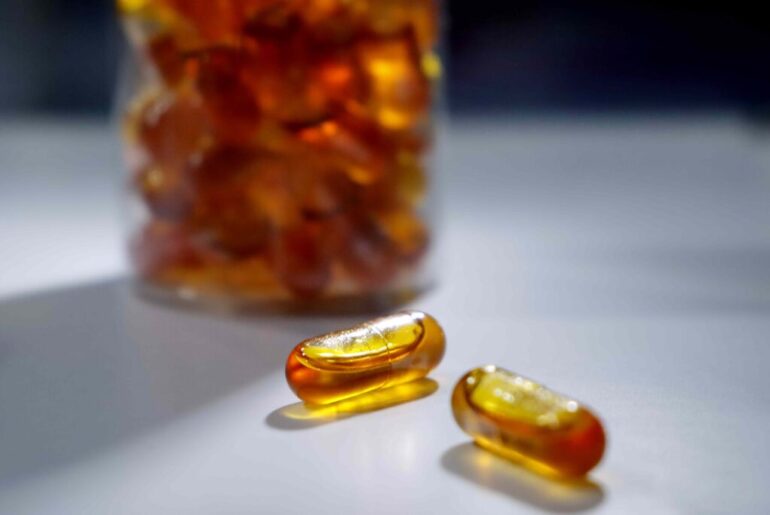
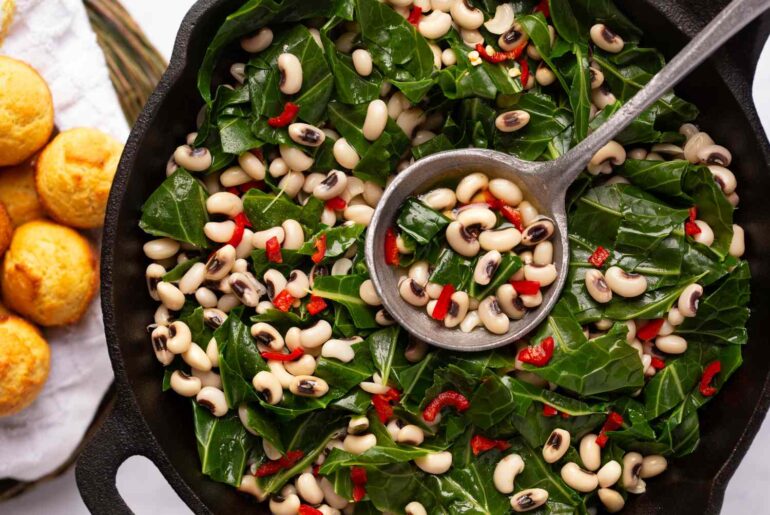
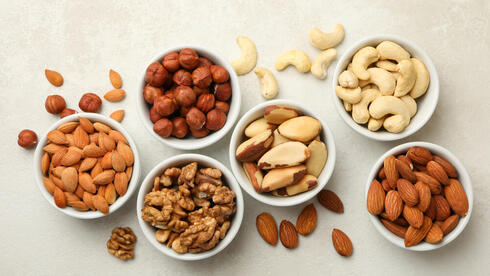
Antioxidants are highlighted as important for recovery: vitamins A, C, E, selenium, and omega-3 are often viewed as key nutrients against inflammation found in fruits, vegetables, nuts, seeds, and fish.
Regarding iron, it’s worth pairing iron-rich meals with vitamin C-rich foods to facilitate absorption. It is also beneficial to distribute protein intake throughout the day to support muscle strength and reduce the risk of dehydration during long competitions.
In conclusion, experts advise varying the diet, adding color variety to the plate, and maintaining regular meal timing to obtain a wide spectrum of phytonutrients, support digestion, and speed up recovery.
Practical tips for everyday eating like athletes: morning – a light snack before training; after training – a combination of protein with carbohydrates; iron with vitamin C; include anti-inflammatory foods and maintain a frequent meal schedule to stabilize energy throughout the day.
In sum, dietary diversity, proper meal distribution, and attention to the quality of nutrition help not only with recovery after exertion but also support overall health and endurance.