Key Points
Eating oatmeal daily is a simple, affordable way to support your overall health and feel more energized.Oatmeal is packed with fiber, which can improve digestion, lower cholesterol, and promote a healthy gut microbiome.This whole grain helps you stay full longer, reduces cravings, and supports steady blood sugar levels throughout the day.
As a pantry staple, oats deserve a spot in your kitchen. The humble whole grain is packed with fiber, a nutrient that’s essential for good health. Additionally, oats are inexpensive and filling, helping you get the most out of your meals. The ingredient is also endlessly customizable; you can prepare overnight oats for an easy breakfast, make a batch of baked oatmeal, or enjoy a bowl of savory oatmeal.
With these benefits in mind, you might consider eating oatmeal every day (or at the very least, more often). What will happen if you do? To find out, we asked registered dietitians to share the effects of eating oatmeal daily.
What Happens When You Eat Oatmeal
Here’s what consuming oatmeal daily can do to your body.
Better Heart Health
Oats are a great source of fiber, specifically beta-glucan, says Samantha Snashall, RDN, LD, registered dietitian at The Ohio State University Wexner Medical Center. “This type of fiber has been shown to improve your total cholesterol as well as your LDL or “bad” cholesterol,” she says. It works by binding with bile acids in your gastrointestinal system, ultimately affecting fat absorption and cholesterol levels. This can help reduce your risk for heart disease and stroke, according to Snashall.
Improved Digestion
The soluble fiber in oats will also support your daily digestion. When soluble fiber mixes with liquids in our gastrointestinal system, they create a viscous gel-like substance, which softens stool, says Snashall. Additionally, beta-glucan is considered a prebiotic, “which is essentially food for probiotics or the good bacteria in our gut,” Snashall says. This promotes a healthy gut microbiome, thereby helping to reduce the risk of colon cancer, constipation, and other GI issues.
Enhanced Satiety
When oatmeal is part of your daily rotation, you’ll feel more satisfied overall. “Oatmeal promotes satiety, or the feeling of fullness due to its content of beta-glucan,” says Nicole Roach, RD, CDN, CDCES, registered dietitian at Northwell’s Lenox Hill Hospital. This heightened satiety can reduce hunger pangs and cravings, helping you feel more energized throughout the day.
Better Blood Sugar Control
As beta-glucan gels in the gut, it also slows down the absorption of glucose (sugar) into the bloodstream, according to Snashall. This creates a gradual increase in blood sugar, which lessens the amount of insulin your body needs to help regulate it. (Insulin, by the way, is a hormone that helps your cells take up glucose from the blood.) Over time, this effect can reduce the risk of high blood sugar and type 2 diabetes.
Is It OK to Eat Oatmeal Every Day?
According to Snashall, it’s safe to consume oatmeal daily. The exception is if you’re on a low-fiber or low-residue diet to manage a digestive condition. In this case, you may need to avoid oatmeal completely, according to the experts at the University of Virginia Health System. Otherwise, oatmeal can be enjoyed every day, so long as you’re mindful of sugary add-ins.
How Much Oatmeal Should You Eat?
In general, the ideal daily intake of oatmeal is one serving, or ½ cup, according to Snashall. This can help you achieve the recommended intake of three to six servings of whole grains per day.
But again, the “best” amount varies by person. For instance, if you’re following a gluten-free diet, you may or may not be able to tolerate a certain amount of oatmeal, according to Roach. A healthcare provider, like a registered dietitian or primary care doctor, can suggest the best daily amount for your situation.
Things to Consider
When buying oatmeal, know that the store-bought versions can vary in terms of nutrition. For example, pre-flavored instant oatmeal is often high in added sugars. Instant oatmeal is also more processed than the whole variety, so it may contain less fiber.
With that in mind, choose plain rolled or steel cut oats whenever possible, then add your own ingredients for flavor. Don’t be afraid to get creative! “When making oatmeal ourselves at home, we are in the driver’s seat and can make [it] as healthy or as indulgent as we wish,” says Roach.
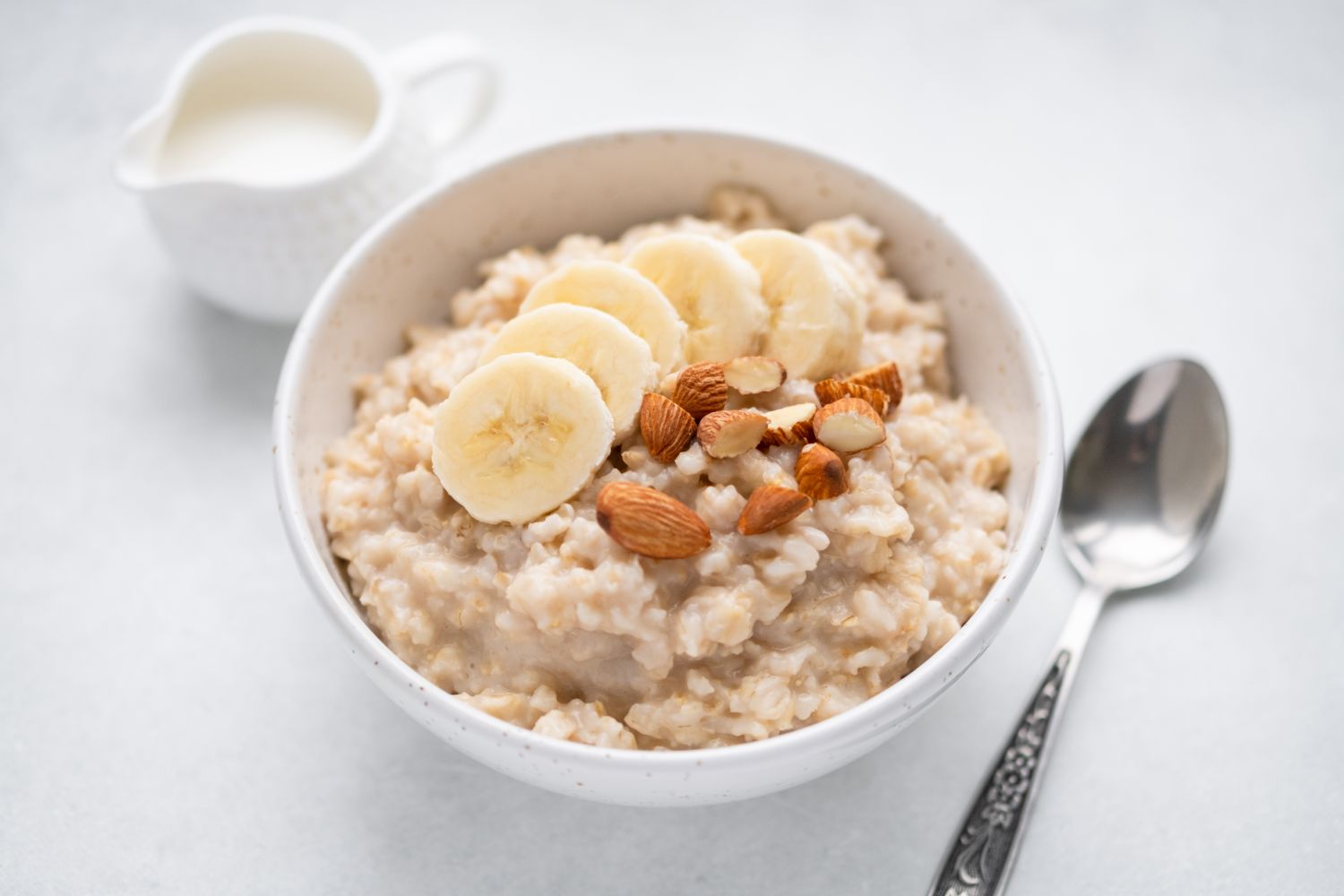
Need ideas? “Add some fresh or frozen fruit to help naturally sweeten [oatmeal],” says Snashall. She also enjoys pairing oatmeal with a protein source to ensure fullness and satisfaction. Examples include peanut and almond butter (which also offer healthy fats), yogurt (which contains probiotics), and eggs for savory versions.
It’s also worth accounting for the liquid you use to prepare oatmeal, as this can affect the calorie content, according to Roach. For example, oatmeal prepared with water or low-fat milk will have fewer calories than a batch prepared with whole milk. In this scenario, the best option depends on your health goals (i.e., losing, managing, or gaining weight).