JAKARTA – The treatment of cancer in children does not only focus on medical therapy such as chemotherapy, radiotherapy, or surgery. Supportive aspects such as nutritional fulfillment are also an important part of the overall treatment process.
Good nutritional conditions are considered to help children survive the side effects of treatment as well as support the recovery process.
In conjunction with the World Childhood Cancer Day, PT Kalbe Farma Tbk highlights the importance of adequate nutritional intake for childhood cancer patients.
“Nutrition is an important foundation to support the success of cancer therapy in young children. Adequate nutritional intake helps the body deal with the side effects of chemotherapy and supports recovery,” said Kalbe Medical General Manager, Dr. Dedyanto Henky Saputra in a written statement.
The company cites data from the Indonesian Pediatric Cancer Registry which recorded 3,834 new cases of childhood cancer throughout 2021-2022. This figure shows that cancer is still a serious health problem in the children’s age group, so it requires a comprehensive approach to treatment, including from the nutritional status.
Dedyanto explained that childhood cancer is generally related to genetic changes or DNA mutations, exposure to pollutants, and abnormal cell growth. He emphasized that these conditions are not solely triggered by the food consumed by children.
He also reminded that malnutrition can hinder the smooth running of therapy because the child’s body is not strong enough to undergo a series of treatments. In medical practice, this condition can be initiated by mild malnutrition which then develops into loss of appetite.
“If not treated, mild malnutrition can develop into a more severe condition such as cachexia, which is weight loss and muscle mass accompanied by metabolic disorders,” he said.
Therefore, nutritional monitoring needs to be carried out in an integrated manner by involving doctors and nutritionists so that the potential for malnutrition can be detected early. Giving food in small portions but dense nutrients is one strategy to meet energy needs during therapy.
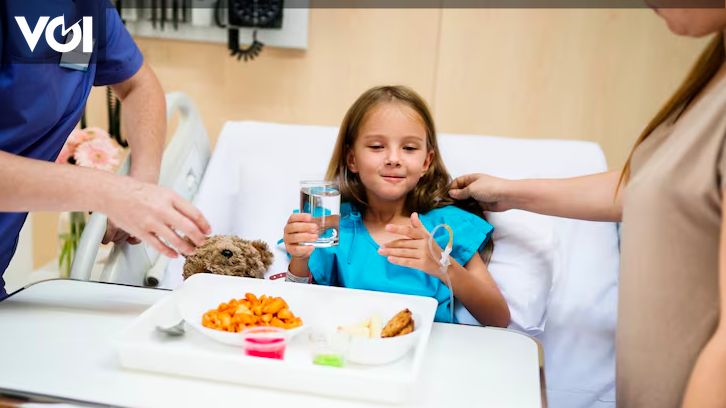
Kalbe also mentioned that children with cancer often experience eating disorders due to side effects of treatment such as nausea, vomiting, and canker sores. In certain situations, additional nutritional support can be considered if daily intake from food is not sufficient.
“In general, children’s nutritional needs are not met because children have difficulty eating during therapy, for example due to canker sores, nausea, or vomiting,” said Nutrican Brand Owner Yulius Denis Chrismaaji.
The right approach to nutrition is expected to be part of a comprehensive effort to improve the quality of life and the chance of recovery for children with cancer.
The English, Chinese, Japanese, Arabic, and French versions are automatically generated by the AI. So there may still be inaccuracies in translating, please always see Indonesian as our main language.
(system supported by DigitalSiber.id)