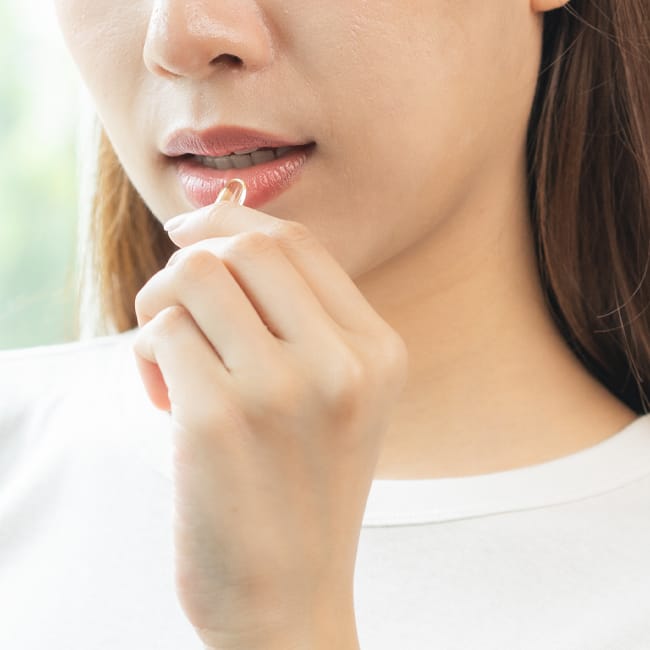
When it comes to achieving glowing, youthful skin, supplements are often marketed as quick fixes. From promises of clearer complexions to fewer fine lines, it can feel tempting to load up on vitamins in hopes of speeding up results. But according to experts, not every supplement benefits your skin — and in some cases, taking certain nutrients unnecessarily could actually work against you.
Neuroscientist Robert Love warns that more isn’t always better, especially if your body doesn’t need the extra boost. While nutrients like vitamin B12 and iron are essential for overall health, supplementing without a deficiency may contribute to breakouts, oxidative stress, and even premature aging. Here are two supplements that may not be worth adding to your routine for skin health.

Struggling With Sleep? This Rechargeable Sound Machine Is A Total Game-Changer
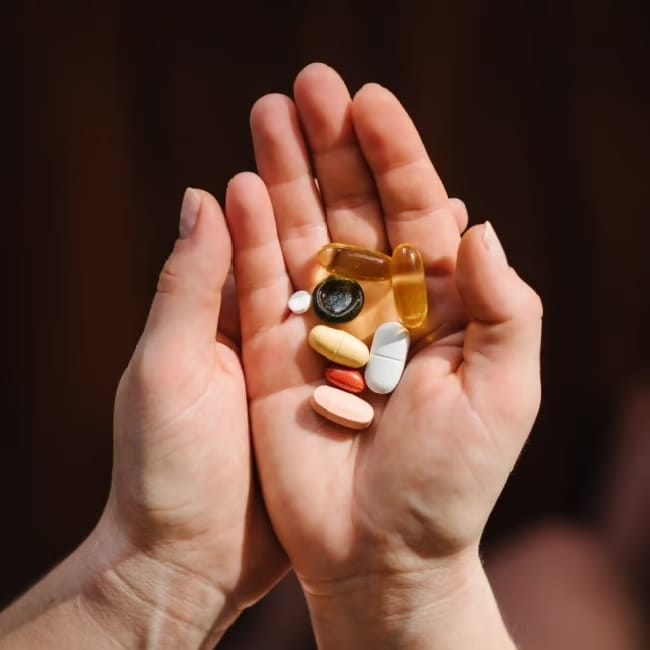
Shutterstock
1. Vitamin B12
Vitamin B12 is essential for energy and neurological health, but more isn’t always better—especially when it comes to skin. Excess or imbalanced levels of B12 can disrupt the skin’s microbiome, leading to sensitivity and hydration issues.
“Research out of UCLA finds that those who take vitamin B12 supplements can have acne or increased acne,” neuroscientist Robert Love reveals. “I don’t recommend B12 supplements; instead, take a whole B complex.”
Love says this approach is healthier for the brain and body and may even be better for skin overall. As always, it’s important to consult a healthcare provider before starting or adjusting B12 intake to ensure it aligns with your individual needs.

Shutterstock
2. Iron
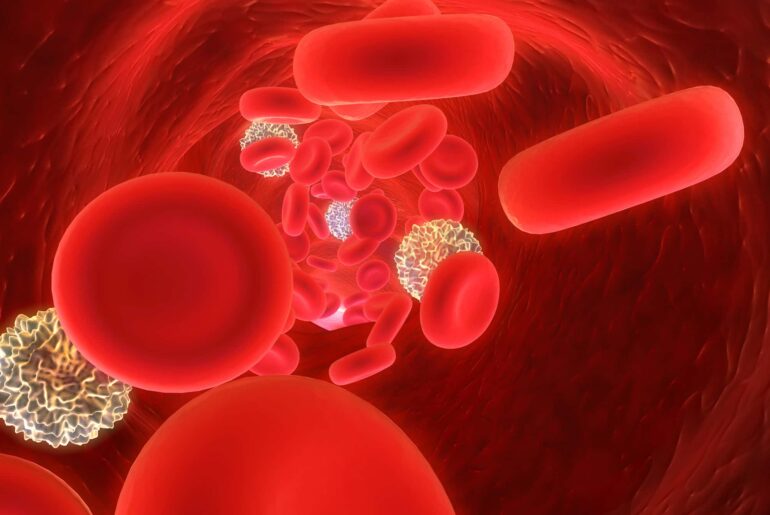
Iron is another supplement often taken unnecessarily. When iron builds up in tissues, it can cause oxidative stress, which damages collagen and elastin—the proteins that keep skin firm, elastic, and youthful.
“Most people in the United States don’t need iron,” Love reveals, adding that only 2% of men and around 10–20% of women are deficient. “If you’re eating eggs or meat, then you’re likely not deficient in iron, but of course check with your medical professional.”
He further warns that iron can “create excess free radicals, and that can damage organs in your body like your skin,” explaining that avoiding unnecessary iron supplements may help protect against “premature aging.” Instead, experts recommend nutrients like vitamin C, which supports collagen synthesis, or zinc, which plays a key role in tissue repair, inflammation reduction, and maintaining a clear complexion.
The bottom line
When it comes to supplements, personalization matters. Taking high doses of nutrients your body doesn’t need can disrupt balance and potentially affect your skin in unwanted ways. Before adding vitamin B12 or iron to your routine, consider getting bloodwork done and consulting a healthcare professional to determine whether you’re truly deficient.
If your goal is healthier, more resilient skin, experts often suggest focusing on proven skin-supportive nutrients instead. Vitamin C can help boost collagen production and fight free radical damage, while zinc supports wound healing, reduces inflammation, and may help keep breakouts in check. A balanced diet rich in whole foods — along with targeted supplementation only when necessary — is typically a smarter, safer approach than chasing trends.