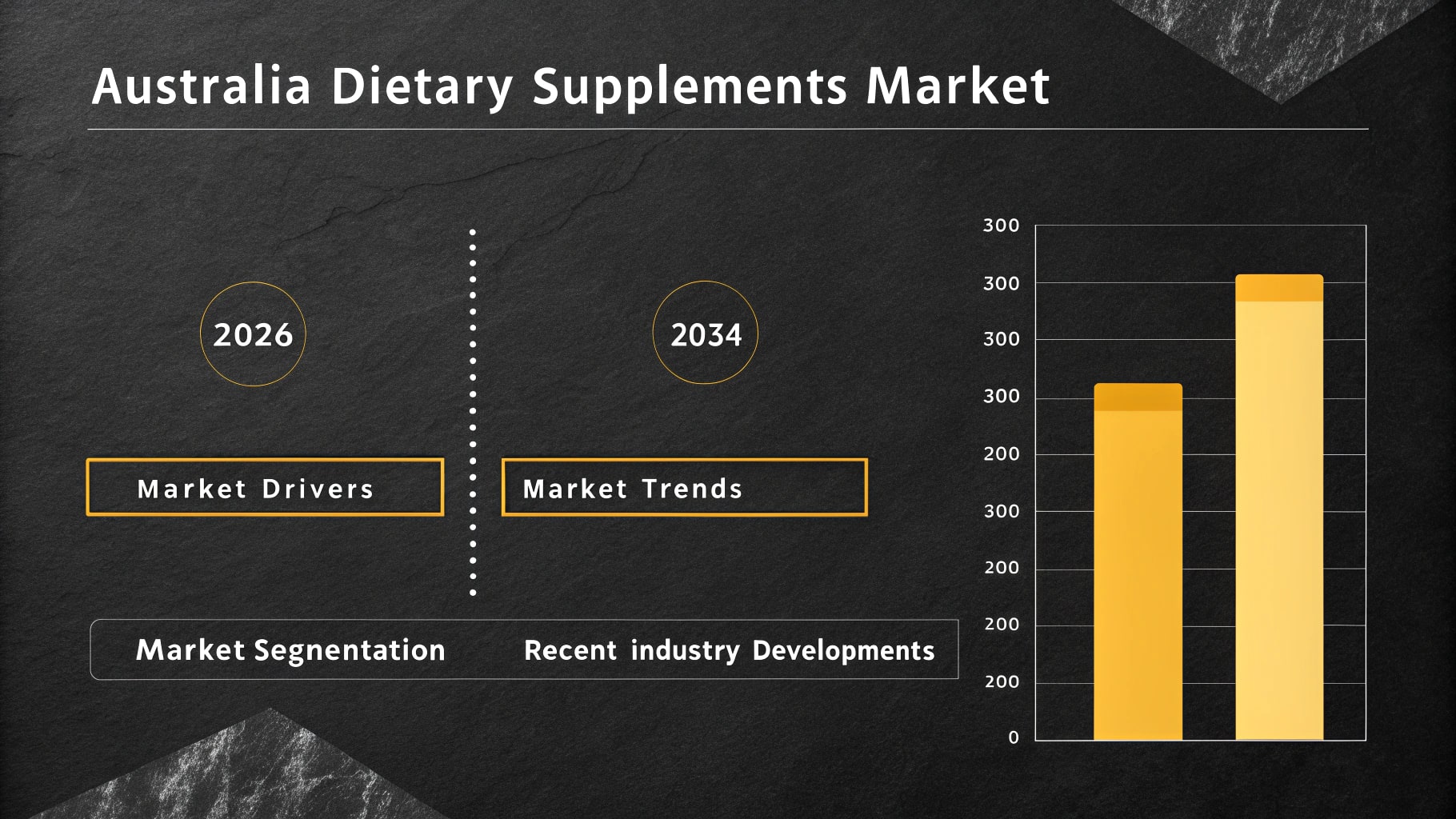
According to IMARC Group, the Australia dietary supplements market reached a value of USD 3.9 Billion in 2025 and is projected to expand to USD 7.2 Billion by 2034, exhibiting a compound annual growth rate (CAGR) of 7.02% during 2026–2034. This sustained growth reflects a broader structural shift toward preventive healthcare and wellness-driven consumption across Australia. Dietary supplements—including vitamins, minerals, herbal extracts, omega-3 products and specialty formulations—are increasingly incorporated into daily health routines. Consumers are prioritizing long-term well-being, immunity support and age-related health management, transforming supplements from optional purchases into essential lifestyle products.
Why Should Smart Buyers and Investors Know About the Australia Dietary Supplements Market?
Stable Mid-Single-Digit Growth
With a projected CAGR of 7.02%, the market offers steady expansion driven by demographic and lifestyle trends.
Recurring Consumption Patterns
Supplements are often consumed daily, creating reliable repeat purchase cycles.
Premium and Innovation-Led Opportunities
High-margin segments such as functional, clean-label and condition-specific supplements offer growth potential.
Digital Channel Expansion
E-commerce and direct-to-consumer platforms enhance scalability and consumer engagement.
Alignment With Preventive Healthcare Trends
Dietary supplements are central to preventive health strategies, supporting long-term market resilience.
Recent Trends & Developments in the Australia Dietary Supplements Market
July 2025:
Manufacturers expanded plant-based and vegan supplement lines to align with dietary preference shifts.
March 2025:
Subscription-based supplement services gained traction, offering personalized health bundles delivered monthly.
October 2024:
Brands increased investment in clinical research and third-party certifications to strengthen consumer trust.
The Australia dietary supplements market reflects a strong convergence of health awareness, demographic shifts and product innovation. Supported by IMARC’s positive growth projections, the sector continues to expand as consumers prioritize preventive care and wellness management. As brands innovate with personalized solutions, sustainable ingredients and digital distribution strategies, dietary supplements are becoming an integral part of Australia’s modern healthcare landscape. For manufacturers, retailers and investors, the market offers a forward-looking opportunity rooted in lifestyle-driven demand, technological advancement and long-term commitment to well-being.
Australia Dietary Supplements Market Vision 2050
1. Personalized and Precision Nutrition
By 2050, supplements may be tailored to individual genetic profiles and health metrics using AI-driven health analytics and wearable technology data.
2. Integration With Digital Health Ecosystems
Dietary supplements could become integrated with digital health monitoring platforms, enabling automated recommendations based on real-time health indicators.
3. Sustainable Ingredient Sourcing and Packaging
Environmental considerations will likely drive adoption of plant-based ingredients, biodegradable packaging and ethical sourcing practices.
4. Functional and Therapeutic Expansion
Future supplements may address specific medical conditions with greater clinical backing, blurring the lines between nutrition and pharmaceutical support.
5. Stronger Regulatory Oversight and Transparency
Improved labeling standards and third-party testing will enhance consumer confidence and market credibility.
What Are the Key Growth Drivers in the Australia Dietary Supplements Market?
Growing Health and Wellness Awareness
Australians are becoming more proactive about managing their health. Increased awareness of lifestyle-related diseases and immunity concerns is driving demand for vitamins, antioxidants and functional supplements aimed at improving overall wellness.
Aging Population and Preventive Healthcare
Australia’s aging demographic is contributing to rising supplement consumption. Older consumers seek products targeting bone health, cardiovascular support, joint mobility and cognitive function. Preventive healthcare strategies are encouraging regular supplement intake rather than reactive treatment.
Rising Disposable Incomes and Premiumization
Higher disposable income levels are enabling consumers to invest in premium supplement brands. Clean-label, clinically tested and organic-certified products are gaining traction among quality-focused buyers.
Continuous Product Innovation
Manufacturers are introducing advanced formulations, plant-based ingredients and combination supplements that address multiple health needs simultaneously. Innovation in delivery formats—such as gummies, effervescent tablets and ready-to-drink shots—is expanding consumer appeal.
Expansion of Retail and Digital Distribution Channels
Dietary supplements are increasingly accessible through pharmacies, supermarkets, specialty health stores and online platforms. E-commerce growth and subscription models are improving convenience and strengthening brand loyalty.