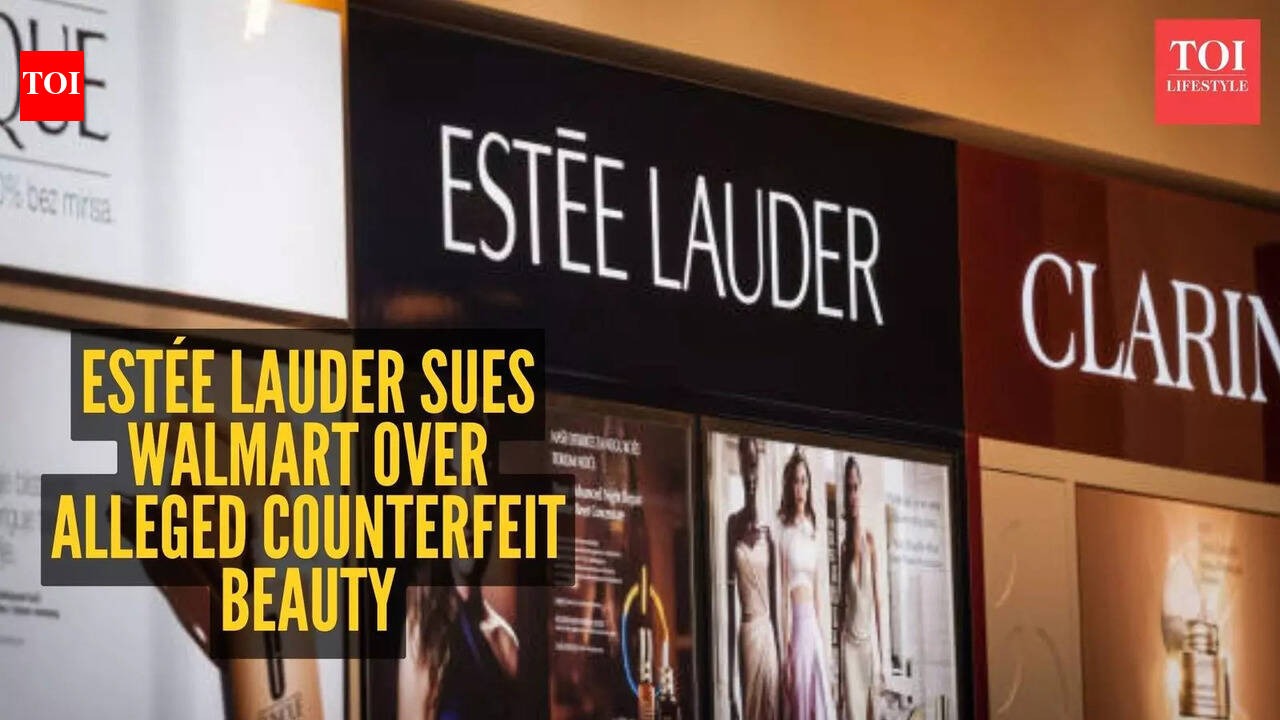
 Luxury beauty giant Estée Lauder is suing Walmart, alleging fake skincare and perfumes are being sold on the retailer’s online marketplace. The lawsuit claims shoppers may have unknowingly purchased counterfeit versions of popular brands like Clinique and Tom Ford. Estée Lauder seeks damages and an order to stop sales, highlighting safety concerns and the challenge of online authenticity. The beauty industry has always had a counterfeit problem, but now it’s landed in a full-blown courtroom fight. Estée Lauder has filed a federal lawsuit against retail giant Walmart, claiming shoppers may have unknowingly bought fake luxury beauty products through the retailer’s online marketplace.And we’re not talking about obscure brands. The complaint mentions some of the most recognisable names sitting on vanity tables across the world.
What the brand is accusing
According to the filing, the company purchased several items directly from Walmart’s website and tested them. The result: many were allegedly counterfeit despite carrying original branding.Among the products flagged were imitations of:Estée Lauder Advanced Night Repair serumLe Labo perfumeClinique eye creamLa Mer moisturiserAveda hair toolTom Ford fragranceBasically – skincare and fragrance staples people save up for.The brand argues the products used official trademarks and packaging style, which could easily make customers believe they were authentic.
Why this matters to shoppers
Online marketplaces work differently from traditional stores. Often, third-party sellers list products while the platform acts as a host. That convenience also opens the door to look-alikes slipping through.In the complaint, the company claims the retailer did not do enough to ensure only authorised sellers were offering these items. Because of that, customers could have paid premium prices for products that weren’t the real formula.And with skincare, authenticity isn’t just about prestige, it’s about safety. Fake formulations can cause irritation, breakouts, or simply not work at all.
What Estée Lauder wants
The company is asking the court for:monetary damages (amount not specified)an order preventing further sale of the alleged counterfeit productsIn simple terms: compensation and a stop to the listings.
Walmart’s response
A spokesperson for Walmart said the company is aware of the lawsuit and maintains a strict no-counterfeit policy. The retailer added it will address the matter through the legal process once formally served. Estée Lauder had not publicly commented further at the time of reporting.
The bigger picture
Luxury beauty sits in a strange space today. High demand meets high prices, and that combination inevitably attracts knockoffs. As more people shop online instead of at counters, verifying authenticity becomes harder.This case could set an important precedent:who is responsible when a fake product appears on a marketplace – the seller or the platform?For now, it’s a reminder of something beauty lovers quietly worry about: sometimes a deal online isn’t a deal at all.Especially when the serum costs as much as a small appliance.