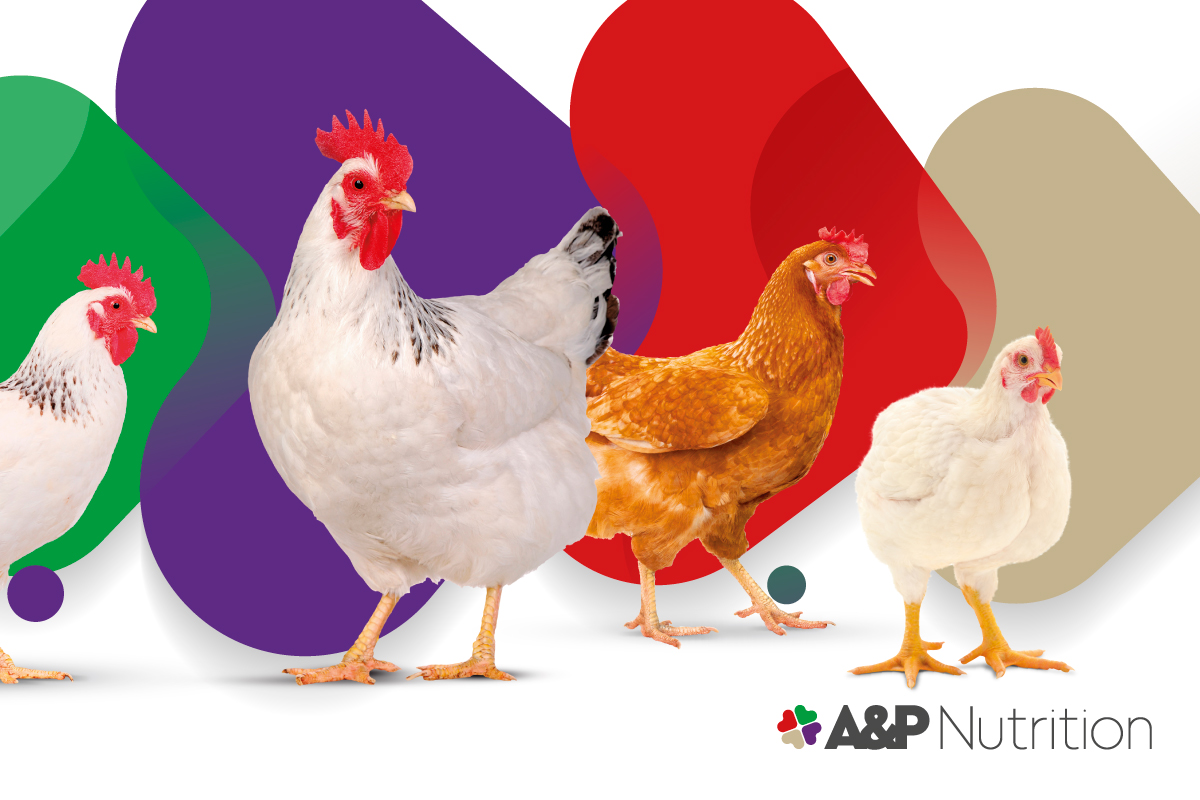
 Managing invisible stressors in poultry production requires an integrated nutritional strategy that stabilises the microbiome, protects the intestinal tissue and mitigates systemic stress. Photo: A&P Nutrition
Modern poultry production demands more than meeting nutritional requirements; it requires managing the unseen. Birds are bred for exceptional efficiency, rapid growth, low FCRs and uniform performance. Yet, even under optimal conditions, birds face a variety of invisible stressors that quietly erode this potential.
These stressors include not only heat or crowding, but also low-grade inflammation, dietary toxins or subtle microbial imbalances. They may act below the threshold of clinical disease but, in combination, significantly impair gut function, immune balance and nutrient utilisation.
Invisible stressors share one common pathway: the gut microbiome. As a metabolic and immunological “control center”, it influences how well birds cope with challenges. A stable, diverse microbiome helps maintain intestinal barrier integrity, modulate immune responses and optimise digestion. When this equilibrium is disturbed, for example, by poor fibre quality, feed contaminants or inflammation, the consequences are reduced resilience, inefficient metabolism and ultimately performance loss.
Managing these hidden influences requires an integrated nutritional strategy that stabilises the microbiome, protects the intestinal tissue and mitigates systemic stress.
Feeding the microbiome: structure meets function
The microbiota can be influenced through a wide range of dietary factors, yet the dietary fibre profile is one of the fundamental levers. Beyond its structural role, the right fibre provides fermentable substrate that drives the microbiota towards a beneficial composition that produces short-chain fatty acids, the essential energy source for the epithelium.
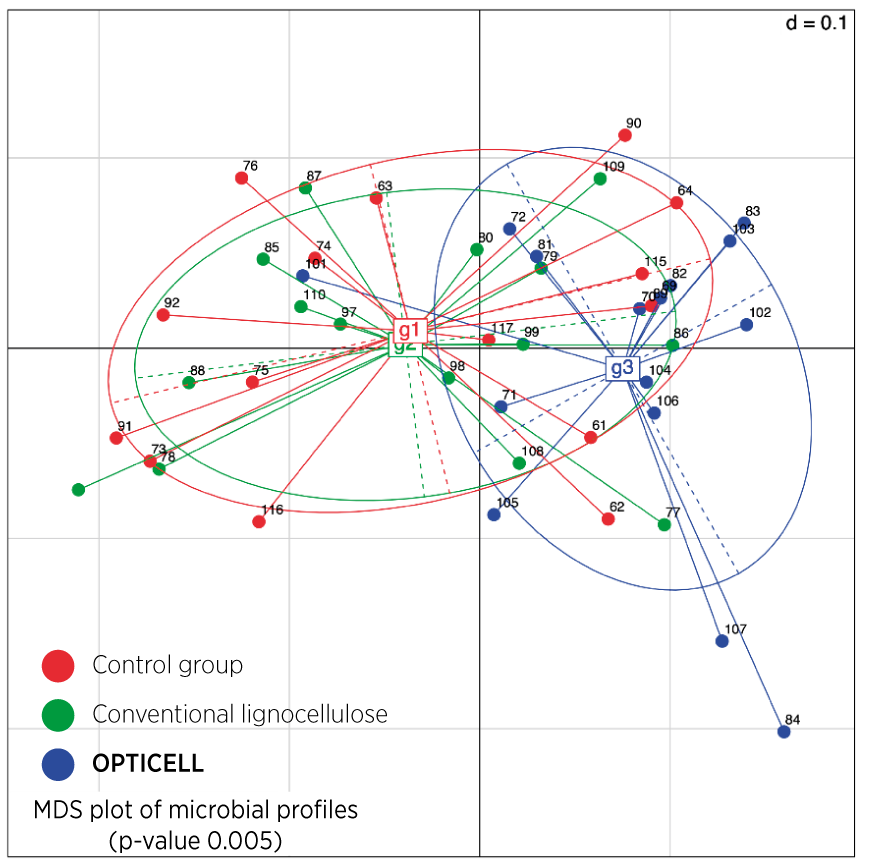 Figure 1 – MDS plot of microbial profiles (p-value 0.005)
However, not all fibre types act the same. Conventional lignocellulose supports gizzard function and litter quality but has limited influence on the microbiome and hindgut fermentation. In contrast, eubiotic lignocellulose, combining structural fibre from stem wood with fermentable fractions from bark, goes further. It promotes hindgut fermentation, producing measurable shifts in the microbial community and increased short-chain fatty acids production.
Figure 1 shows a Principal Coordinate Analysis (PCoA) illustrating the effectiveness of eubiotic lignocellulose (Opticell) to alter the gut microbiome. While the composition of the microbial clusters of the negative control group and the group receiving conventional lignocellulose (red and green ellipses) largely overlap, Opticell supplementation produces a clearly altered microbiome (blue ellipse).
When toxins disrupt microbial communities
Mycotoxins are another invisible but severe threat to poultry gut health. Even at low concentrations, toxins like AFB1, OTA or T-2 disturb the microbial balance and compromise epithelial integrity, allowing opportunistic pathogens to proliferate. The resulting dysbiosis reduces nutrient digestibility and triggers secondary inflammation, further weakening the metabolism.
Effective mycotoxin control therefore requires more than binding capacity alone. A multi-component approach – combining adsorption, biological components that perform biotransformation, and ingredients that support the liver and immune system – has proven effective in minimising mycotoxin risk. In a mycotoxin challenge trial performed at the Samitec Institute in Brazil, 240 Cobb 500 broiler chickens were fed diets contaminated with aflatoxin B1 and fumonisin B1. During the 21-day challenge, mycotoxins reduced performance and blood parameters. Inclusion of a multi-component feed supplement (Mycoraid) in the diet improved performance parameters but also increased the count of beneficial Bacillus spp. which have probiotic function.
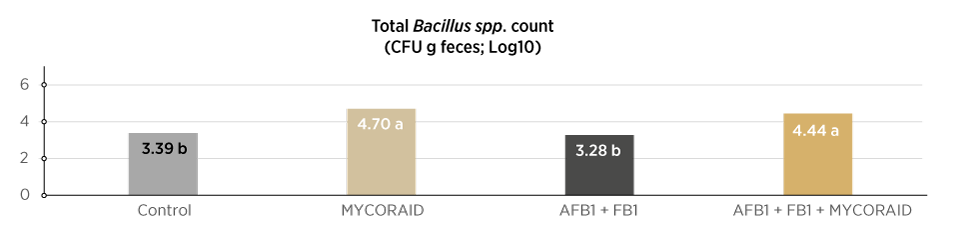 Figure 2 – Total Bacillus spp. count (CFU g feces; Log10)
A multi-component feed supplement neutralises contaminants on several levels, but also supports microbial recovery and epithelial resilience, maintaining the foundation for stable digestion and efficient feed conversion.
Inflammation as the silent thief 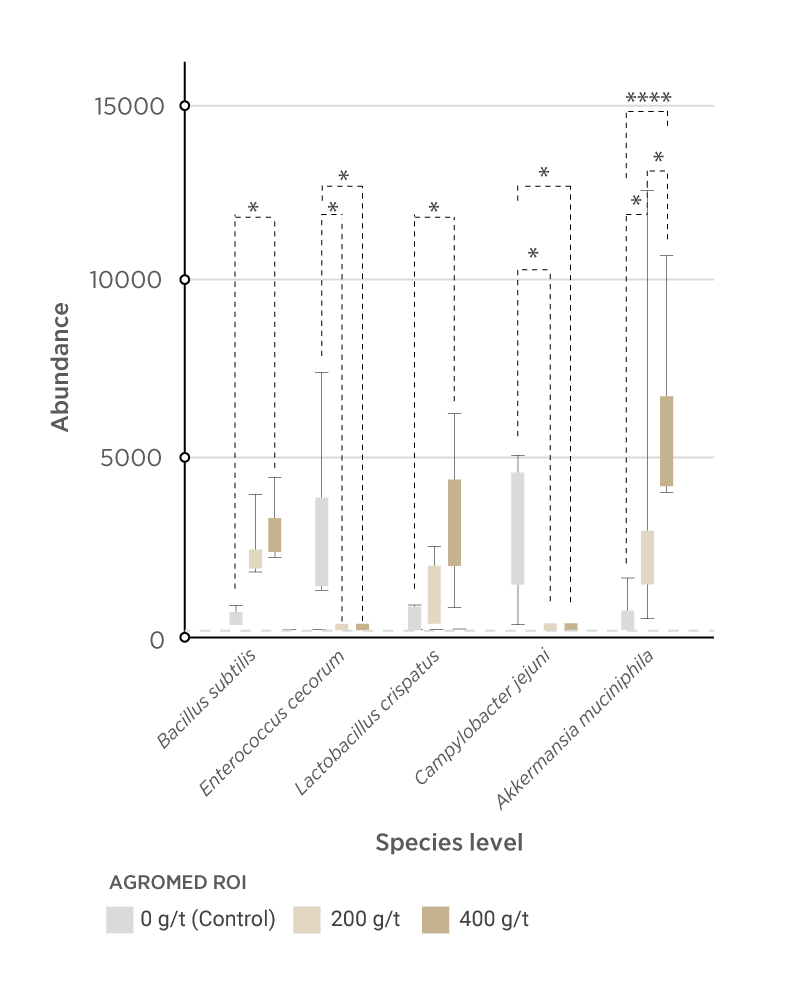 Figure 3 – Species level: microbiota composition as influenced by wood lignan supplementation. Significant differences – *(p<0.05), **(p<0.01), ***(p<0.001), ****(p<0.0001)
Chronic, low-grade inflammation does not appear overnight. It develops gradually through repeated immune activation, often secondary to mycotoxins, dietary imbalances or microbial shifts, among others. Quietly, inflammatory processes consume precious energy that is diverted away from performance. Once triggered, they disrupt the microbiome by suppressing beneficial taxa and favouring opportunistic species such as Escherichia, Enterococcus, Clostridium or Campylobacter.
Addressing inflammation as its source is key to long-term stability. Wood lignans counteract both oxidative stress and excessive inflammatory signals which arise in response to the numerous external and endogenous stressors. In broiler studies, lignan supplementation shifted microbial composition towards beneficial genera such as Lactobacillus, Bacillus and Akkermansia, while opportunistic pathogen species declined (Figure 3).
These balanced microbial shifts are associated with reduced expression of inflammatory markers and improved feed efficiency. By reducing subclinical inflammation and stabilising the microbiome, wood lignans help birds to maintain metabolic focus on performance rather than defense, ensuring consistent performance.
Respiratory stress – the often-forgotten performance factor
Invisible stressors are not limited to the gut. While the gut is central to health management, the respiratory tract is one of the largest surfaces in direct contact with the environment and therefore a major interface of stress. High dust load, ammonia or temperature fluctuations can trigger oxidative stress and inflammatory responses that indirectly affect digestion and feed efficiency.
Recent research in layers showed that supplementation with a blend of essential oils, lysozyme, and vitamins significantly improved tracheal integrity and antioxidant status after NDV and IBV vaccination (Figure 4).
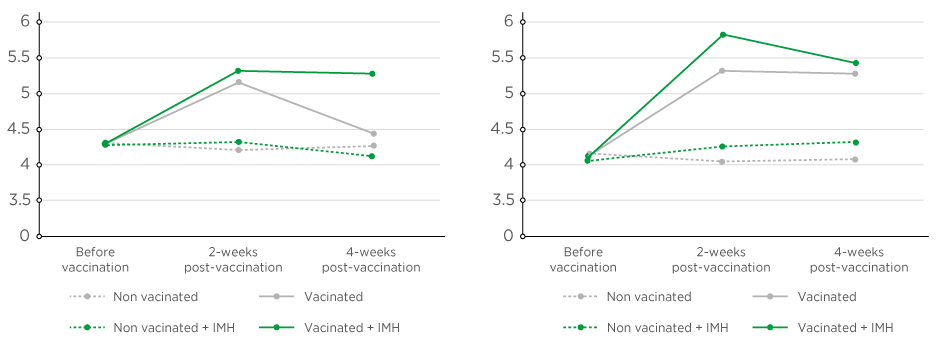 Figure 4 – Effects of an essential oil-based water supplement (Liquihype) on NDV and IBV titers in laying hens.
Birds receiving the blend developed higher antibody titers, lower oxidative stress, and fewer tracheal lesions, demonstrating its capacity to stabilize mucosal health under respiratory challenge. The blend supports the respiratory system through a dual mechanism: essential oils and antioxidant vitamins strengthen epithelial defenses and modulate immune responses, while lysozyme enhance mucociliary clearance and reduce irritation. By protecting the respiratory mucosa, it helps maintain systemic balance, complementing gut-focused strategies to sustain performance and resilience.
One system, multiple entry points
Despite their different origins, these invisible stressors are interconnected. Mycotoxins compromise the gut lining, the inflammatory status and the dietary fibre profile shape the microbiota, and respiratory stress feeds systemic oxidative load. The result is a feedback loop which drains the available energy for meat and egg production. Breaking this loop demands comprehensive support, from fermentation stabilising the microbiome to toxin control, anti-inflammatory protection and respiratory relief, to set the right tracks for a steady road to success.
By addressing external factors before they become challenges and providing advanced solutions to resolve the threats quickly and efficiently, A&P Nutrition benefits animal farming businesses by increasing their productivity while maintaining cost efficiency.
A&P Nutrition, the newly-unified brand born from the strategic alliance of Patent Co. and agromed under the RWA (Raiffeisen Ware Austria) umbrella, is redefining the future of animal nutrition with decades of expertise now consolidated into a single, robust portfolio. At the heart of this transformation lies a clear mission: improving animal performance. This is more than a slogan – it’s a customer-centric promise backed by innovation, transparency, and a deep understanding of species-specific needs.
Through the targeted solutions of A&P Nutrition – eubiotic lignocellulose (Opticell), multilayered mycotoxin control (Mycoraid), wood lignans as gut performance tool (Agromed ROI) and respiratory support (Liquihype) – we offer an integrated approach to conquer unseen performance barriers. By focusing on the microbiome as the central link between nutrition, metabolism and resilience, poultry producers can turn invisible stress into visible, sustainable results.
References are available on request.
Join 31,000+ subscribers Subscribe to our newsletter to stay updated about all the need-to-know content in the poultry sector, three times a week.
“*” indicates required fields
A&P Nutrition Partner profile
A&P Nutrition, previously PATENT CO. and agromed, united under the umbrella of RWA, brought together decades of expertise in design and production of high-performance animal feed additives. Strategic alliance created a single, robust portfolio tailored to meet the evolving needs of markets worldwide.
By addressing external factors before they become challenges and providing advanced solutions to resolve the threats quickly and efficiently, we are benefiting animal farming businesses by increasing their productivity while maintaining cost efficiency.
Natural alternatives provide numerous advantages to chemical health products and antibiotics. A&P Nutrition portfolio is made of nature-inspired solutions that are safe for animals, humans and the environment, efficient even in small dosages and fast in action.
For more information visit www.apnutrition.com