Spending too much time sitting down and not moving around enough can increase your risk of developing a number of conditions, from high blood pressure to type 2 diabetes, and it could even cause you to develop another condition you may be less familiar with.
Gluteal amnesia, also known as ‘dead butt syndrome’, is when your glute muscles stop activating in the way they should during activity, leading to uncomfortable symptoms like a sore back and legs, as other muscles have to overcompensate.
Sound familiar? If you’ve noticed that everyday movements have been leading to aches and pains you’ve never experienced before, it may be that Dead Butt Syndrome is to blame. Find out exactly what it is and the potential causes with expert insight from Rebecca Bossick, a Chartered Physiotherapist with over a decade of clinical experience and co-founder and director at One Body LDN.
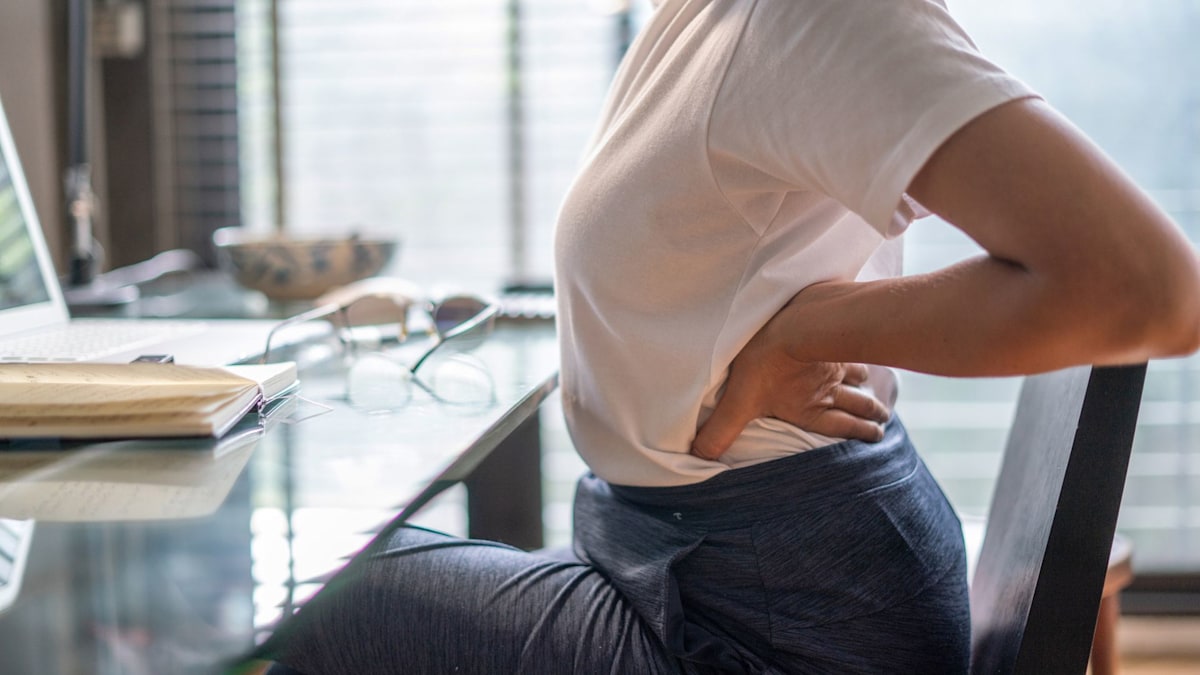
 © Getty ImagesSpending lots of time sitting down can contribute to the development of dead butt syndrome
What is ‘Dead Butt Syndrome’?
“Gluteal amnesia happens when the glute muscles stop activating as they should. Because these strong muscles help move the hips, keep the pelvis steady, and make everyday movements easier, whether it’s walking, standing, climbing stairs, or lifting items like shopping bags or children, the body finds other ways to move when the glutes become slower to activate,” Rebecca explains.
“That’s when you might notice that your lower back, hamstrings, or hip flexors are taking over and doing more work than they should, leaving you feeling stiff, tired, or sore even when doing normal activities like bending down to tie a shoe or climbing stairs you normally do without thinking.”
How sitting is linked to gluteal amnesia
There are a few reasons you may develop gluteal amnesia, including a sedentary lifestyle and lots of time spent sitting, whether at work or at home, Rebecca explains.
“One of the main reasons why gluteal amnesia occurs is long periods of sitting, which is something a lot of people do nowadays by spending hours hunched over a desk or in cars, forcing the hips to stay bent and the glutes relaxed and inactive,” the physiotherapist shares. “Standing up and expecting those muscles to fire straight away is a big ask, and if this pattern repeats day in and day out, the body becomes very good at moving without properly recruiting the glutes.”
Meanwhile, Rebecca says that the type of workouts you enjoy may also contribute to weakened glute muscles. “Another thing that could contribute to this issue is certain activities that use repetitive movement patterns where the glutes may not reach full activation, such as running or cycling, particularly if the focus is on speed or endurance. If you use machines for your workouts, it can further reduce the need for stabilising muscles to engage,” she shares.
“People who’ve recovered from injuries around the hips or lower back may also notice that certain movements feel weaker or less controlled, which often brings us back to gluteal amnesia.”
Signs of ‘dead butt syndrome’
So, how do you know your aches and pains are a sign of dead butt syndrome, and not something else? “If you’re worried about gluteal amnesia, the signs you should look for are feeling the hamstrings working harder than usual during bridges or leg exercises, noticing the lower back taking over during lifts, or not feeling the glutes working at all during workouts,” Rebecca explains.
“Other signs can be hip stiffness after sitting, knee discomfort during walking, or a general sense of weakness when standing from chairs. I find that many people describe their legs seeming switched off after long periods of sitting, which can be very frustrating when trying to get moving again.
How to restore glute strength:
Thankfully, it is possible to wake up your glute muscles and restore strength. Some changes to your lifestyle and targeted exercises can all be effective in overcoming gluteal amnesia. Rebecca recommends the following:
Keep moving
My advice is to break up sitting time. Stand up every 30 to 60 minutes and walk about the room or do a few gentle stretches or movements like marching on the spot or swinging the hips to reconnect the muscles. You can also add a few extra steps when walking towards the kitchen or move around while on the phone or waiting for the kettle to boil. This helps keep the glutes active without interrupting daily life.
Targeted glute exercises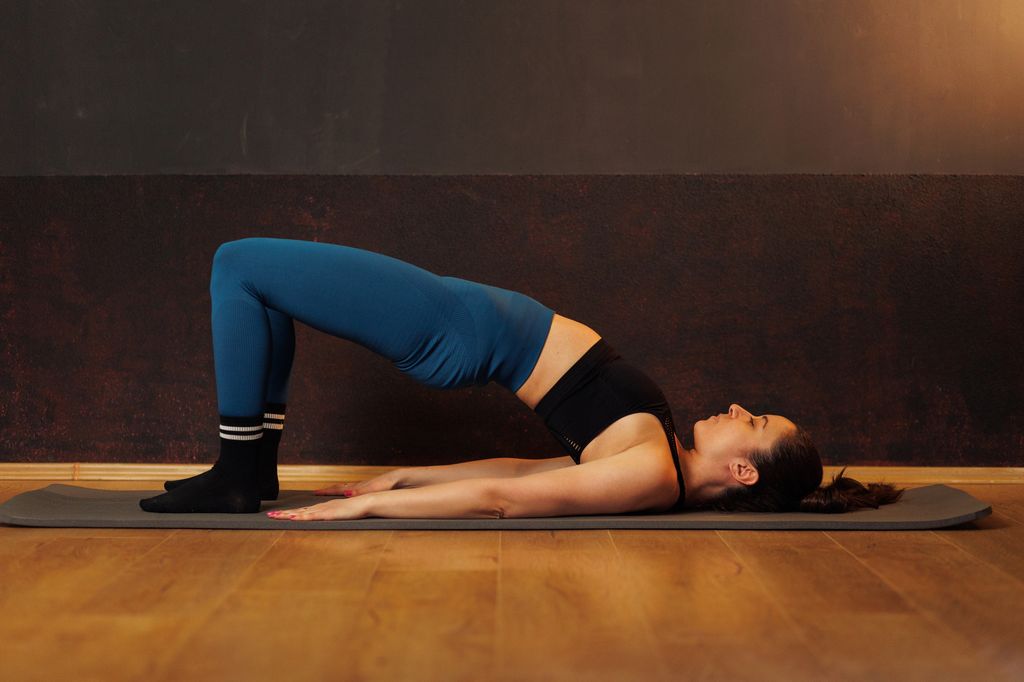 © Getty ImagesGlute bridges can be an effective way of restoring strength in the glutes
For exercises, focus on movements that activate the glutes. Glute bridges are a perfect example. All you need to do is lie on your back with your knees bent and feet apart, parallel to your hips, then press through the heels to lift the hips while keeping your core slightly engaged. Once you’re at the top, squeeze your glutes and hold that position for a few seconds before slowly lowering your hips over the floor and repeat.
For targeting the outer glutes, try side-lying leg raises. You lie on one side with your legs stretched on the floor, one over the other, then lift the top leg slowly to hip height while keeping the pelvis steady and lower it slowly.
Another good exercise is clamshells with a resistance band just above the knees to keep the feet together while opening and closing the top knee. Standing band walks can also be done with a band around the knees, hips slightly bent, taking small steps sideways while keeping tension on the band, which trains the muscles for balance and stability during walking and other daily movements.
Step-ups are another example that mimics daily movements. Use a low step or bench, place one foot on the surface and press through the heel to lift your body while keeping the pelvis level, then step down slowly. Rather than tiring the muscles, the whole point of these exercises is to reconnect the brain and muscles and help the glutes start working at the right time. But it’s important not to rush through them because fewer repetitions done carefully are going to be more effective.
Focus on posture
Outside of exercise, posture and movement habits might also contribute to gluteal amnesia. This can include leaning onto one leg, slouching, or locking the knees, but small shifts in movement, such as distributing weight evenly through both feet, engaging the core while standing, or sitting on a cushion to allow slight hip movements, help the glutes to stay involved. Pay attention to how your body feels during normal activities so you can reinforce these habits naturally.