Avocado is considered one of the superfoods, with high nutritional value and unique properties. Fortunately, due to its different varieties, each of which ripens in a different season – it is possible to obtain avocado almost all year round, and incorporate it into many dishes.
Is there a difference between the different varieties from a nutritional standpoint? This question interested me and since I wanted an authorized answer, as the scientific advisor of the Plants Council, I spoke with the chairman of the avocado growers, Shahar Goldberg. And this is the answer: There are many avocado varieties and each variety ripens at a slightly different time.
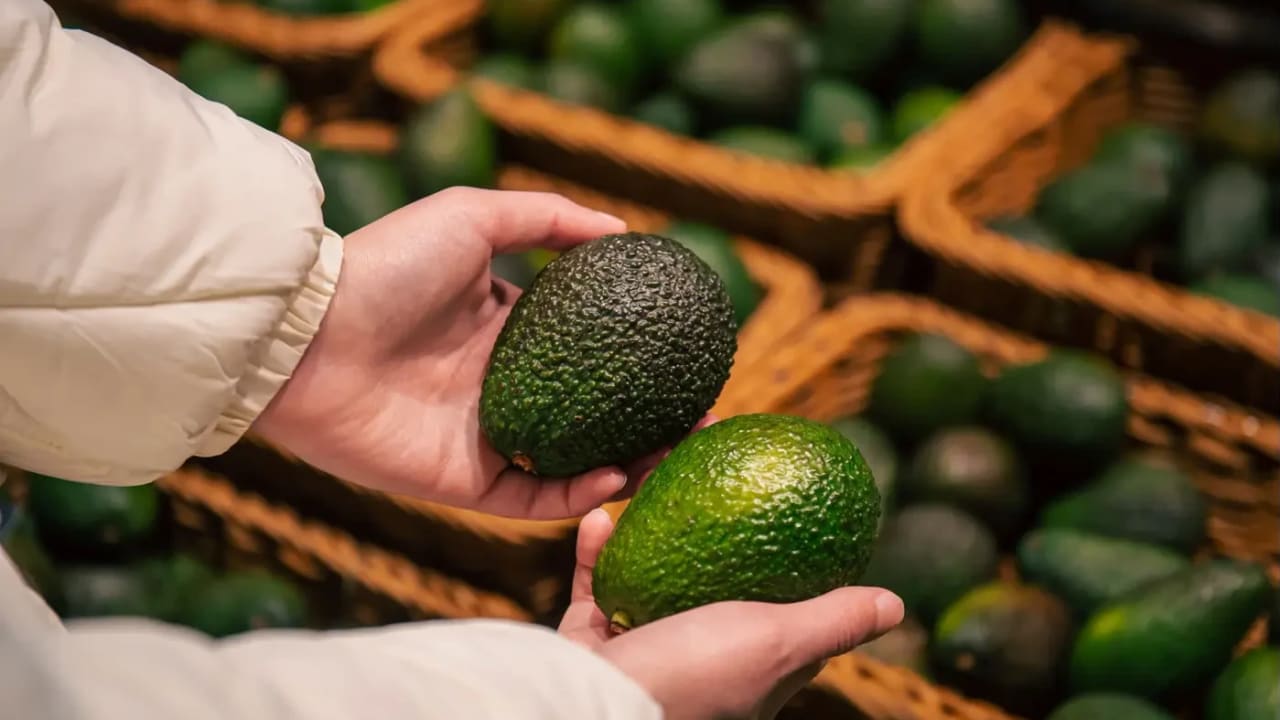
The green and green-black varieties, such as the green Ettinger at the beginning of the season, contain about 18% fat. In contrast, the Hass variety (Hass) with the bumpy peel that turns black, is more common at the end of the season and already contains about 24% fat.
Now it is possible to start finding the “Reed” variety – which characterizes the end of the season. It is larger, green (does not turn black), has a buttery texture and a higher fat percentage.
Another interesting detail I received from him: The longer an avocado remains on the tree and ripens on it, the higher its fat percentage becomes.

From a botanical standpoint, avocado is a fruit in every respect. But in our menus it is not included in the fruit category but rather in the fat category, because it contains 18% to 24% fat (compared to fruits and vegetables that usually contain 0% fat).
Quality Of The Fat: It is important to understand that this is not just any fat. Most of the fat in avocado is oleic acid (monounsaturated fat), the same quality fat found in olive oil that contributes to reducing inflammatory processes and to heart health.
Calorie Amount: Compared to other fat portions, the calorie amount in avocado is not very high – 160 calories per one hundred grams (weighed without peel and pit), but it is still 3–4 times more than most other fruits.
A Fat Portion: A tablespoon of avocado is about 25 grams (about 40 calories), and is considered one fat portion instead of a teaspoon of oil or a tablespoon of tahini.
A whole avocado contains on average 300–400 calories, and there are especially large varieties that reach even more.
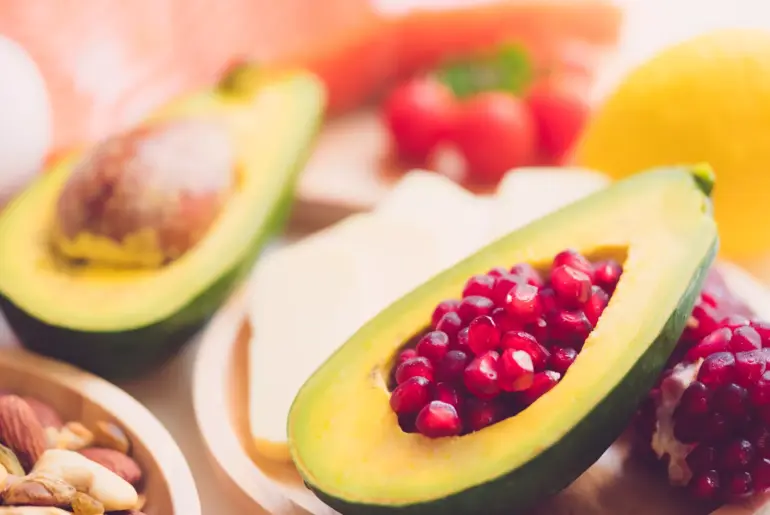
Avocado contains many vitamins and minerals: It is rich in folic acid and vitamin E that is required for our skin and for disease prevention (this vitamin is absorbed only in the presence of fat). It also contains zinc, potassium, and iron (although in order to reach a significant amount of iron like in a portion of meat, a very large amount must be consumed).
And the secret that many forget – the fiber: Something that is not found in avocado oil or oil of any kind. Beyond the vitamins, avocado is a dietary fiber bomb. An average avocado can contain between 10 and 13 grams of fiber.
The combination of fat and fiber creates a “food matrix” that significantly slows the rate of gastric emptying and provides very prolonged satiety.
A fascinating point is the ability of avocado to improve the nutritional value of the other vegetables in our meal – what is called “Bioavailability”. Certain vitamins and antioxidants such as carotenoids (found in carrot, tomato and green leaves) are fat-soluble – meaning, without the presence of fat, the body almost does not manage to absorb them.
A study published in the prestigious scientific journal The Journal of Nutrition examined and found that adding avocado to a vegetable salad or to a dressing (salsa) increased the absorption of beta-carotene from the vegetables by 15 times!
The results indicate that consuming the avocado fruit as a fat component of the meal is an effective way to improve the absorption of antioxidant carotenoids.
How Do You Eat Avocado So That It Is The Healthiest?
Guacamole, avocado spreads, and even avocado ice cream, but the most common and easiest: Mash ripe avocados, add hard-boiled eggs, lemon, salt and perhaps also a little mayonnaise.
Do The Values Deteriorate? Not really. The nutritional values are well preserved even after mashing.
Just remember that natural is always preferable – it is recommended to avoid store-bought avocado salads that contain preservatives and processed ingredients, and always prefer the real thing.