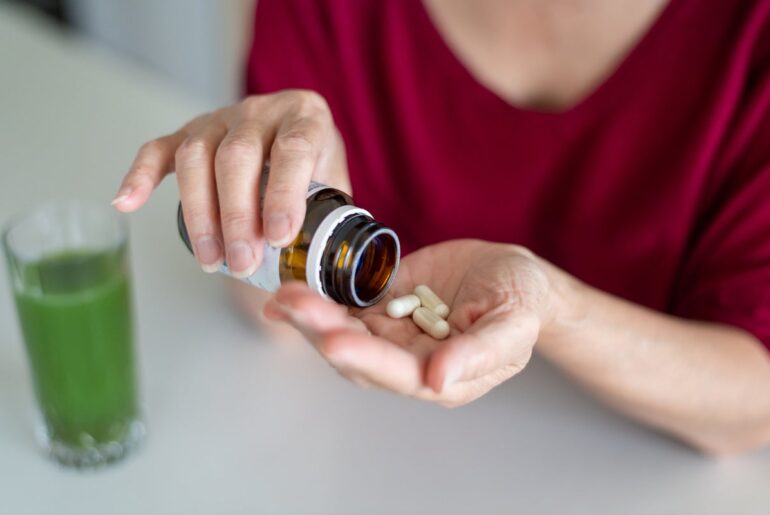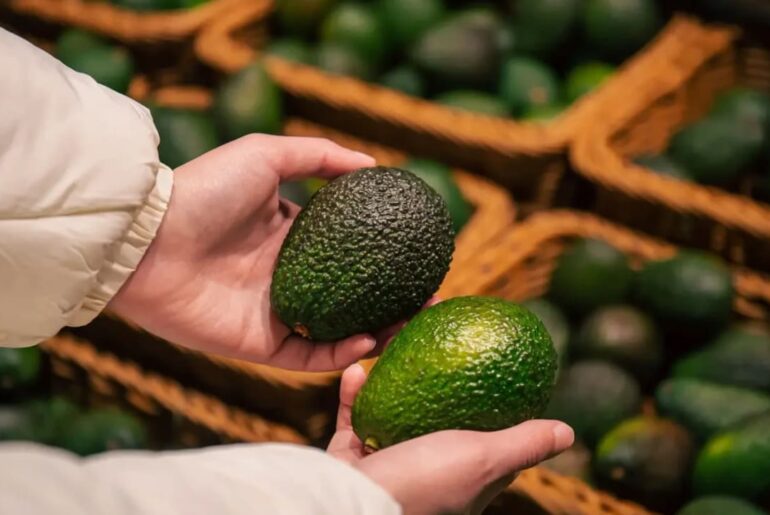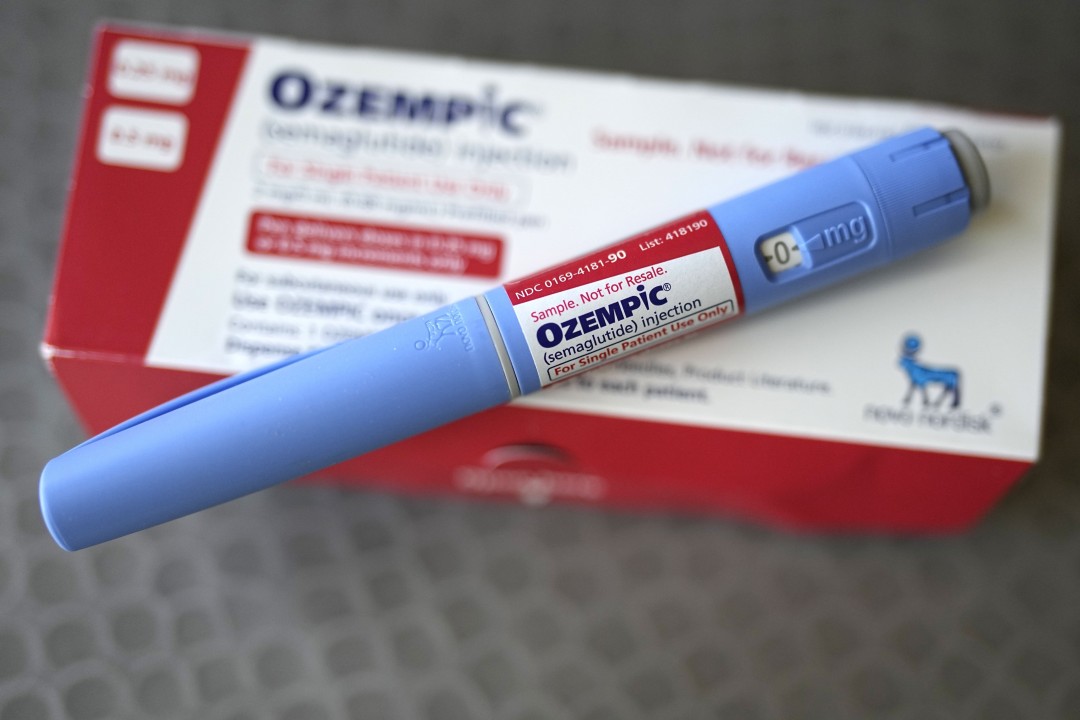
Some patients taking popular weight-loss drugs are ending up with a condition associated with 18th-century sea voyages: scurvy. GLP-1 medications such as Ozempic suppress appetite so effectively that some users are consuming too little nutrient-dense food, researchers say, putting them at risk for vitamin deficiencies, which can affect bone, brain, gut, and skin health, as well as muscle mass, per People. Scurvy, caused by a severe lack of vitamin C, can lead to anemia, bleeding gums, easy bruising, and slow wound healing, according to the Mayo Clinic.
Musician Robbie Williams has said he developed scurvy after taking “something like Ozempic.” “I’d stopped eating and I wasn’t getting nutrients,” he told the Mirror last April. A new review from Australia’s University of Newcastle looked at 41 controlled GLP-1 trials involving 50,000 people over 17 years and found only two evaluated overall nutrition. And only one of the two studies had published the information, per the Australian Financial Review.
“Nutrition plays a critical role in health, and right now it’s largely missing from the evidence,” said Clare Collins, a nutrition and dietetics professor at the university, in a statement. She cited case reports of deficiencies in thiamine (vitamin B1) and protein on top of the scurvy cases being discussed anecdotally and urged health systems to act before deficiencies become common. She wants general practitioners’ chronic disease plans for GLP-1 users to routinely include referrals to dietitians. Because “when people are eating less, the quality of what they eat matters even more.”