Ultra-processed foods (UPFs) are controversial, partly due to definition issues.Dietitians share five surprising UPFs that can still fit into a healthy, balanced diet.Prioritize minimally processed foods and enjoy UPFs in moderation.
Ultra-processed foods and research into their health effects has gained attention in recent years. Yet despite growing interest, confusion—and even controversy—remains about how these foods fit into a balanced diet.
Some foods are obviously ultra-processed, but others may come as a surprise. “While some ultra-processed foods offer little-to-no nutritional value, many provide protein, fiber, healthy fats and essential vitamins and minerals that many people don’t get in their diet otherwise,” says Sarah Anzlovar, M.S., RDN, LDN. Processing can also extend shelf life, making these foods more accessible and convenient for many individuals.
We asked registered dietitians to share five foods that are surprisingly considered ultra-processed—and whether they should be avoided or can still fit into a balanced diet.
What Is Ultra-Processed Food?
There is no single definition of ultra-processed foods, but most research relies on the NOVA Food Classification System. This framework categorizes foods into four groups:
Group 1: Unprocessed or minimally processed foodsGroup 2: Processed culinary ingredientsGroup 3: Processed foodsGroup 4: Ultra-processed foods
“According to the commonly used NOVA classification system, ultra-processed foods typically contain five or more ingredients, often including additives (flavorings, emulsifiers, sweeteners) and substances not commonly used in kitchens,” says Lauren Harris-Pincus, M.S., RDN. “The controversy here is that the degree of processing doesn’t tell you anything about the nutrition profile or dietary value of a food.”
Still, some experts note that ultra-processing can change how foods affect the body. Talia Follador, RDN, LDN, explains that ultra-processing may alter a food’s structure in ways that influence fullness, digestion, blood sugar response and the likelihood of overeating. “This doesn’t mean these foods are automatically harmful; rather, they act differently in the body than less-processed options.”
Research supports this distinction. Controlled studies suggest that people who eat more ultra-processed foods tend to consume more calories than those who eat more minimally processed diets. However, these trials are often small and difficult to generalize to the broader population. Large observational studies—which cannot prove cause and effect—have linked intake of ultra-processed foods with increased risk of obesity, heart disease, type 2 diabetes and other chronic conditions.
Overall, the evidence suggests it’s wise to limit ultra-processed foods when possible, while recognizing that some can still fit into a healthy diet. “While prioritizing whole and minimally processed foods is recommended, some ultra-processed options can add nutrients and enjoyment that’s accessible, affordable and convenient and be part of an overall balanced diet,” says Anzlovar.
Here are five “ultra-processed” foods that can be a part of a healthy, balanced diet.
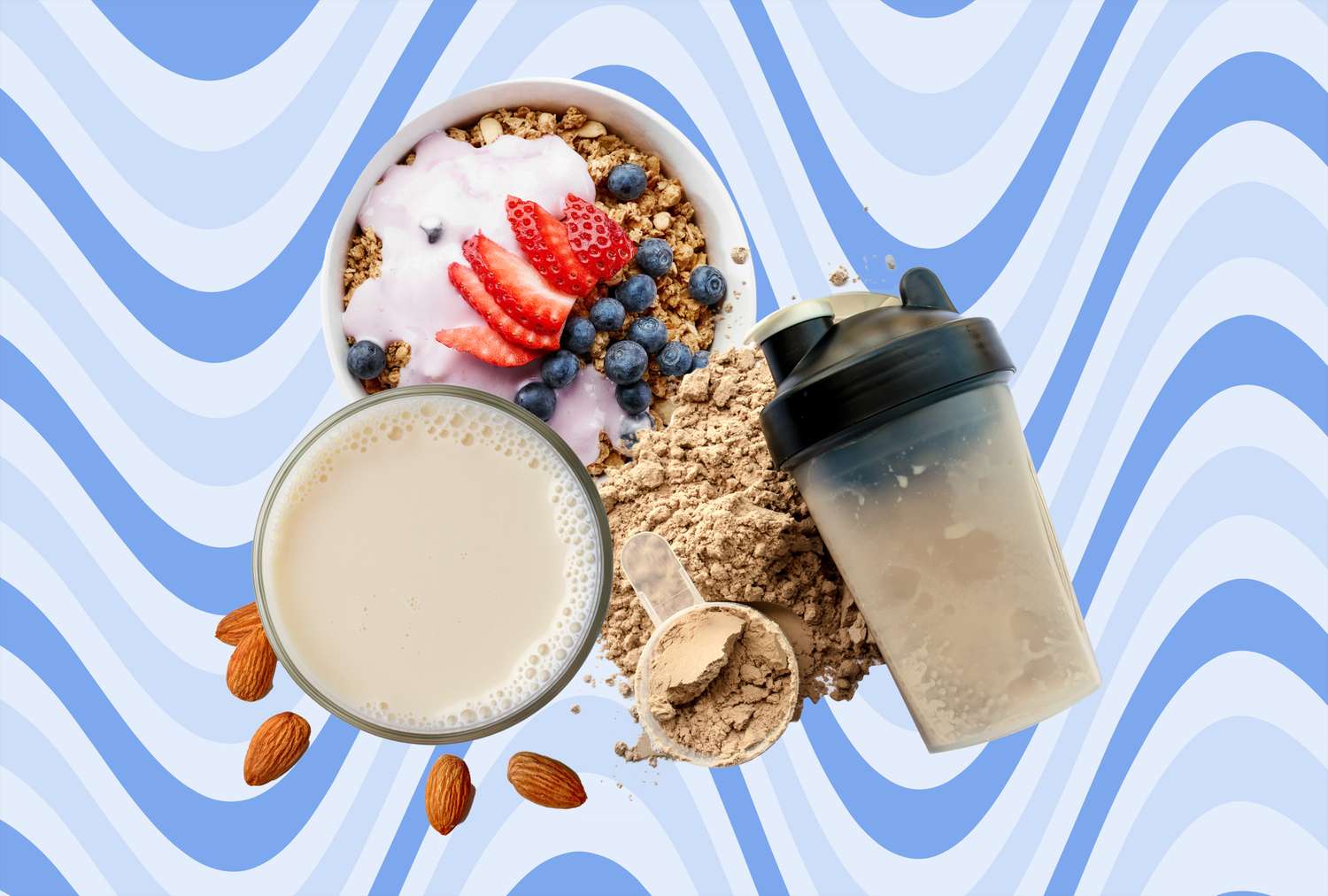
Protein Powder
“Protein powder is a highly refined form of protein that has been extracted and isolated from its original food source, like milk or peas, through processing,” says Anzlovar. Because of this, it’s considered an ultra-processed food—which may come as a surprise given its popularity in the nutrition and fitness world.
However, not all protein powders are the same. With the wide range of protein powders on the market, it’s important to check ingredient lists, as some contain more additives than others. “While all protein powders are considered ultra-processed, some include more added sweeteners, flavors, stabilizers and other ingredients that you may choose to avoid,” says Anzlovar.
Despite being classified as ultra-processed, protein powders can still play a helpful role in a balanced diet. “Protein powder can help you meet your protein needs when you may not be able to meet them with whole foods,” says Anzlovar. Athletes, individuals recovering from illness and older adults with chewing difficulties may especially benefit.
That said, Anzlovar emphasizes that protein powders should supplement, not replace, whole-food protein sources. To ensure safety and quality, she recommends choosing products that have been independently tested. “Look for those that are third-party tested by a reputable organization to ensure safety and efficacy of the product,” she says.
Plant-Based Milks
According to the NOVA classification, soy milk and other plant-based milks are considered ultra-processed because they often contain additives such as emulsifiers or added sugars. However, these products can still offer important nutrients that many people don’t get enough of in the typical American diet.
“Plant-based foods like soy milk and tofu fall into the ultra-processed category, though they are high-quality, nutrient-dense options for people with food allergies, dietary restrictions or vegan/vegetarian preferences,” says Harris-Pincus. “Fortified soy milk provides the nutrients of concern in the American diet, including calcium, vitamin D, potassium and fiber.”
That said, some choices are better than others. Many plant-based milks are high in added sugars, so it’s best to opt for unsweetened varieties when possible. You may also want to limit products with artificial flavors or colors. With so many options available, it’s often easy to find a plant-based milk that better fits your nutritional needs and personal preferences.
Flavored Tofu
One of the more surprising foods categorized as ultra-processed is flavored tofu, such as pre-marinated varieties. Plain tofu falls under the “processed” category under the NOVA classification system. However, when tofu is flavored, smoked, fried or otherwise altered with additives to change its texture, it is considered ultra-processed.
Some experts argue this distinction may unnecessarily demonize a nutritious plant-based protein. “In our era of protein obsession, tofu is an amazing way to include more plant-based protein in your diet, even if it’s added to meat-based dishes like chili, tacos, stir-fry, soups/stews or grain bowls,” says Harris-Pincus.
That said, if you’re trying to limit ultra-processed foods, consider choosing plain tofu and seasoning it yourself. You can also opt for healthier cooking methods, such as sautéing, baking or stir-frying, to keep it both nutritious and flavorful.
Canned Beans with Sauce
“Canned beans are something we should all eat more of to help meet fiber goals; something where 93% of us fall short,” says Harris-Pincus.
Since canned beans are cooked and preserved, they typically fall into NOVA Group 3 (processed foods). However, when additional ingredients are added, they can be classified as ultra-processed. “Beans that limit added ingredients to water, salt, and spices likely fall into NOVA category 3 (processed), but any extras like a sauce or a little sugar in baked beans, and now we have a category 4 ultra-processed food,” explains Harris-Pincus.
She argues this highlights a flaw in the system. “If avoiding UPFs is supposed to improve health and increase diet quality, then a better system ranking nutrient density needs to supersede one focused only on the level of processing,” she says. Foods like baked beans can be a practical way to increase fiber intake for picky eaters or people who might not otherwise eat beans.
That said, it’s still wise to prioritize canned beans with little to no added sugar and lower sodium, since both are commonly overconsumed in the standard American diet.
Yogurt with Added Sugar
The yogurt aisle is packed with many options—some considered ultra-processed and others not. Yogurts with added sugars, stabilizers or preservatives typically fall into the ultra-processed category.
“Some sweetened yogurts contain up to 15 grams of added sugars per serving,” says Ashley Danielson, RDN, LD. “With the American Heart Association’s recommendation of added sugars to be below 24 grams for women and below 36 grams for men, including sweetened yogurt quickly increases your consumption of added sugar.”
Rather than cutting yogurt out altogether—which could mean missing out on key nutrients like calcium and protein—consider choosing plain or no-added sugar varieties. Danielson also suggests mixing unsweetened yogurt with a sweetened version to maintain flavor while reducing overall sugar intake.
In some cases, choosing a sweetened yogurt may be a reasonable compromise, such as for picky eaters or children who might otherwise miss out on the nutritional benefits yogurt provides.
Our Expert Take
Like with most things, context matters. While aiming for a minimally processed diet should be the goal, this doesn’t mean all ultra-processed foods are “bad” or off-limits—especially since the definition of ultra-processed can vary. Instead, focus on the ingredients and processing methods in the foods you choose, and think about adding nutrient-rich options rather than simply removing foods.
“Increasing intake of NOVA Group 1 foods [minimally processed foods] like fruits, vegetables, whole grains, beans, eggs, dairy and proteins is beneficial for health, even if you are still eating ultra-processed foods,” says Follador.