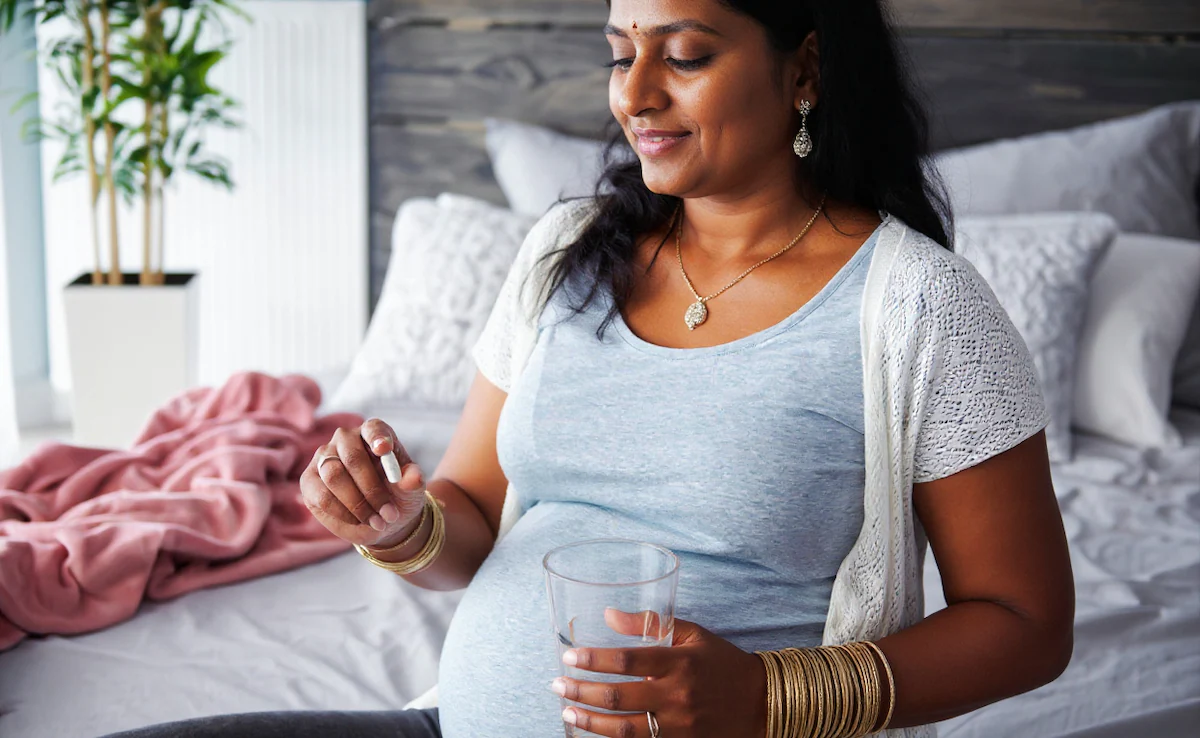
When it comes to the health of a child, the focus for most households has traditionally been on iron. Whether it is adding spinach to the daily dal or making sure the khoon ki kami (anaemia) is addressed, iron is at the centre of the discussion. Because anaemia is a major health concern in India, ranking second in maternal mortality, and its recorded numbers indicate this reality. The prevalence is above 50% in women of reproductive age and 67% in children under 5 years, signalling that anaemia needs to be taken seriously. This makes it extremely important to address the lack of iron in the diets of mothers and children. But here is what a growing body of research, including studies highlighted in the Journal of Developmental Origins of Health and Disease, found that simply supplementing iron is not enough. For an Indian mother, the real health secret for her child might actually lie in the balance between vitamin B12 and folate intake.
Why Indian Mothers Need More Than Just Iron For Healthy Children?
In India, where vegetarianism is common, and even many non-vegetarians do not consume meat daily, vitamin B12 deficiency has become almost endemic (commonly occurring in a particular area). Statistics from a large study supplement this study’s findings as per research in the Nutrients journal, conducted by researchers from the National Institute of Nutrition (ICMR-NIN), St. John’s Medical College, and Sitaram Bhartia Institute, found that nearly 70% of adults and 80% of preschool children in India suffer from some form of B12 deficiency. Since B12 is primarily found in animal-based foods, many mothers start their pregnancy with low reserves of this vital nutrient.
While the government’s health policy focuses heavily on iron and folic acid (folate) supplements, vitamin B12 is often the missing piece. Research published in the Endocrinology journal shows that mothers with low B12 levels but high folate status are often due to supplements that might unknowingly be putting their children at a higher risk of health issues like insulin resistance and obesity later in life.
Also Read: Iron-Deficiency in India: 8 Early Warning Signs Of Anaemia That You Should Watch Out For
Why Iron Needs Folate?
While a proper iron intake is crucial for preventing anaemia, B12 and folate are needed for the child’s development. They work together to ensure proper brain function, nerve health, and the formation of DNA. In India, B12 and folate can be formed in your body if you eat enough dairy products, eggs, fortified foods, fermented foods, lentils, spinach, and beets, respectively. But consulting a certified dietician and nutritionist is key to ensuring your body has enough of both for a healthy balance, as children and mothers need this. When a mother is deficient in this essential vitamin called B12, it can lead to the following health issues:
Poor Brain Development: B12 helps produce brain chemicals that affect mood and cognitive functions.Risk of Birth Defects: A lack of these nutrients is linked to neural tube defects.Long-Term Health Risks: Children born to B12-deficient mothers may face a higher risk of metabolic issues, including diabetes, as they grow up.
Every Indian mother wants the best for her children. You might be eating your greens and taking your iron tablets as the doctor prescribed, but if you are feeling constantly tired or weak, then it may be due to low B12. So, checking your levels is necessary, as this isn’t just about your energy; it is about the blueprint you are giving your child.
In a country where Indians pride themselves on their home-cooked meals, there is a need to realise that the soil and traditional diets might need a little extra help.
Also Read: Pregnancy Diet: What Is The Best Time To Take Iron And Calcium Supplements?
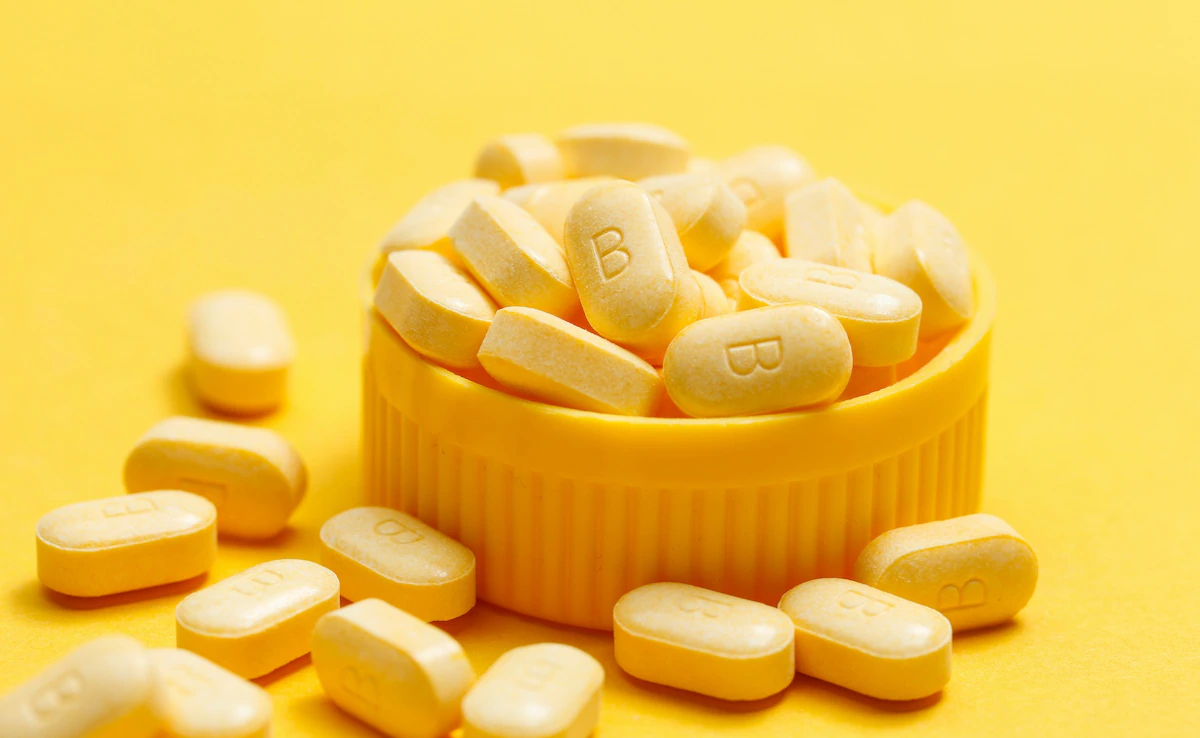
B12 vitamin
Photo Credit: Freepik
What You Can Do?
There is a checklist of things that you can do to ensure your body has enough B12; here is how:
Ask your doctor for a B12 and folate test along with your routine blood work.If you are a vegetarian, focus on dairy products like milk, curd, and paneer. For non-vegetarians, eggs and lean meats are excellent sources of B12.If you are planning a pregnancy or are already expecting, talk to your healthcare provider about a supplement that includes B12 alongside iron and folic acid.
Healthy children are the result of a complete nutritional circle that needs to be maintained consistently. It is time to look beyond just the iron approach and give B12 the importance it deserves in the meals that you consume daily.
Disclaimer: This content, including advice, provides generic information only. It is in no way a substitute for a qualified medical opinion. Always consult a specialist or your own doctor for more information. NDTV does not claim responsibility for this information.