TULSA, Okla. –
Beginning Feb. 15, 2026, changes to SNAP purchasing guidelines took effect under a federally approved Healthy Foods Waiver. But what does that mean for families – and for local stores?
Oklahoma is one of 18 states participating in a two-year federal pilot designed to promote healthier food choices while maintaining access to nutritious staples.
The goal? According to Oklahoma Human Services: clearer standards, improved public health outcomes, and better alignment with SNAP’s mission – improving food security through nutritious food access.
What items are no longer eligible?
According to the new guidelines, beginning February 15, 2026, SNAP benefits in Oklahoma cannot be used to purchase:
Candy (including chocolate bars, gummies, hard candy, caramels, taffy, licorice, mints, and gum)Sweetened soft drinks (including soda, energy drinks, sweetened bottled tea or lemonade, and flavored sweetened water)
What items are still eligible?
Shoppers can continue using SNAP benefits to buy:
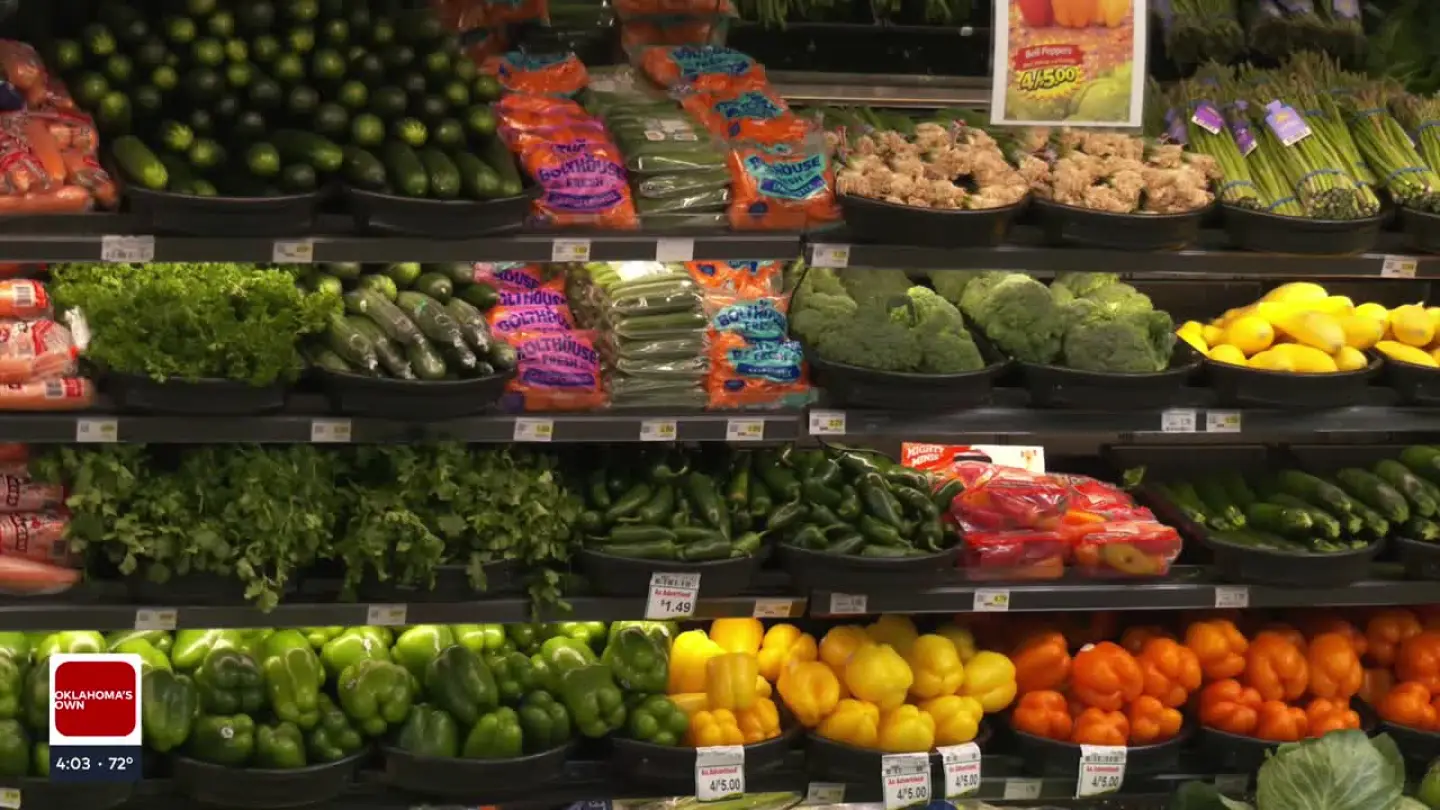
Fresh, frozen, or canned fruits and vegetablesMeat, poultry, and seafoodDairy productsBread, rice, cereal, and pastaEggs and plant-based proteins100% fruit or vegetable juicePlain bottled waterCoffee and tea prepared at home
Importantly, baked goods like cookies or cakes – and baking ingredients such as chocolate chips or cocoa powder – are not considered candy under the new guidelines.
How are local stores preparing?
At Oasis Fresh Market, owner AJ Johnson says the changes may sound bigger than they are.
“Oklahoma was one of the states that fell in line with the new SNAP/EBT items. So, though it may feel like a lot of things change, it simply comes down to sugary drinks and candy,” Johnson said.
Johnson says preparation has been happening behind the scenes for months.
“Our point of sale vendor helped work things behind the scenes. And so we are still going to maintain the industry standard to make sure that those items that are ineligible don’t go through.”
Retailers were given additional time to update systems. The roll out was moved from Jan. 1 to Feb. 15 to ensure families and stores were ready.
Are SNAP benefits being reduced?
No. Johnson says that’s one of the biggest misconceptions.
“As part of this initiative, we’ve got our staff that’s helping to educate the customers, but we’ll also be doing things online to let everyone know that a lot of things are changing, but your benefits aren’t changing,” Johnson said.
The amount of assistance families receive stays the same. Only certain product categories are affected.
How are customers responding?
Johnson says there have been plenty of questions, but mostly from people seeking clarity.
“We’ve gotten lots of calls and questions. But people just looking to get understanding. And so that’s part of our role, is not just to deliver groceries, but to really be the center of the community, in the hub.”
Store managers and staff are taking extra steps to walk customers through the updates.
“We’ve got our managers and our staff that are doing a great job of going over and above to make sure that, one, our customer and our guests understands, but two, just to educate, so that way it calms down any uncertainty,” Johnson said.
Are there local programs that help stretch SNAP dollars?
Yes, and Oasis Fresh Market says those programs remain a major benefit.
Oasis Fresh Market has two key initiatives:
‘Double Up Program’ – A dollar-for-dollar match on fresh produce purchases.‘Add Milk Program’ – A new initiative matching up to $10 per day for shoppers using EBT/food stamps. Buy a gallon of milk, and you can receive up to $10 back, usable on any EBT-eligible items in the store.
What message does Oasis have for the community?
Johnson says the store intends to stay true to its name.
“I would encourage [people] that we’re going to live up to our name, which is Oasis, which means refuge, safe place, shelter.”
State officials say the pilot program will run for two years to see how these new standards impact nutrition and food security.