A Swedish study on the EAT-Lancet Commission’s Planetary Health Diet (PHD) has found that following the guidelines was associated with higher nutrient density, adequate micronutrient status, and reduced risk of deficiencies for various vitamins and minerals. However, the researchers flag an increased risk of anemia among women following the diet.
The diet is viable in high-income countries, but the study underscores the need for gender-specific monitoring and careful policy design.
Overall, the researchers found that higher adherence to the diet was generally associated with nutrient intakes above the recommended level.
Nutrient adequacy
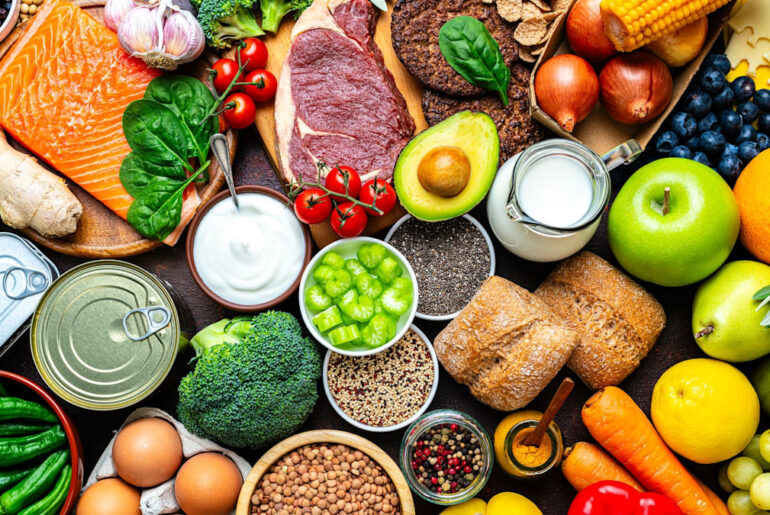
The PHD is structured around plant-based foods, with a base focusing on whole grains, fruits, vegetables, nuts, and legumes. It also aims to limit the consumption of red meat, dairy, and added sugar.

It was developed primarily for health benefits, although following such a diet would also reduce environmental impact.
“Changing what we eat is essential to building a future in which both people and the planet can thrive,” the EAT-Lancet Commission previously stated.
The new study, published in The Lancet Planetary Health, investigated the diet’s nutrient adequacy — its ability to provide sufficient essential vitamins and minerals to meet physiological requirements.
 The researchers say a similar study is needed in low- and middle-income countries due to variability in dietary habits.It included 25,970 participants using data from the Swedish Malmö Diet and Cancer cohort. The researchers used seven EAT-Lancet diet scores to measure adherence. Meanwhile, they used subgroups of micronutrient intake and nutrient biomarkers: folate, vitamin D, selenium, zinc, and hemoglobin.
Energy adjustment — a method that accounts for total calorie intake when measuring nutrient intake — increased the likelihood of adequate nutrient intake. This included vitamins A, B6, E, and C, as well as folate, calcium, magnesium, potassium, zinc, and iron.
For women, following the diet was associated with a reduced risk of folate deficiency but an increased risk of anemia. There was no difference in the risk of deficiency for selenium, vitamin D, or zinc.
However, among men, there was a slightly decreased risk of vitamin D deficiency when following the diet.
Universal diet
The authors note that high-income countries like Sweden often have higher intakes of red and processed meats, added sugars, and refined grains. A recent study of baby foods in the US found that 71% of products in the top ten grocery food stores were classified as ultra-processed.
These foods impact both human health and environmental sustainability, prompting the EAT-Lancet Commission on Food, Planet, and Health to introduce the universal reference diet.
The researchers say that a similar study is needed in lower- and middle-income countries due to variability in dietary habits and nutritional challenges.
The commission recently updated the diet to reflect cultural and class realities, as even though the world produces plenty of food calories for everyone, almost 3.7 billion people lack access to healthy diets, fair wages, or clean environments.
According to EAT-Lancet, if adopted globally, following a plant-rich diet could prevent up to 15 million premature deaths each year while also significantly reducing greenhouse gas emissions.