Cold weather, lower humidity, and indoor heat can disrupt the hair growth cycle, pushing more strands into the shedding phase.Dry air, tight hats, and scalp barrier disruption can lead to brittleness, breakage, flaking, and inflammation, which can sometimes be mistaken for true hair loss. Supporting scalp health is key.A routine that includes gentle shampoo, hydrating conditioner, scalp serums, growth treatments like minoxidil, and certain vitamins can help—but persistent, patchy, or painful shedding warrants a doctor visit.
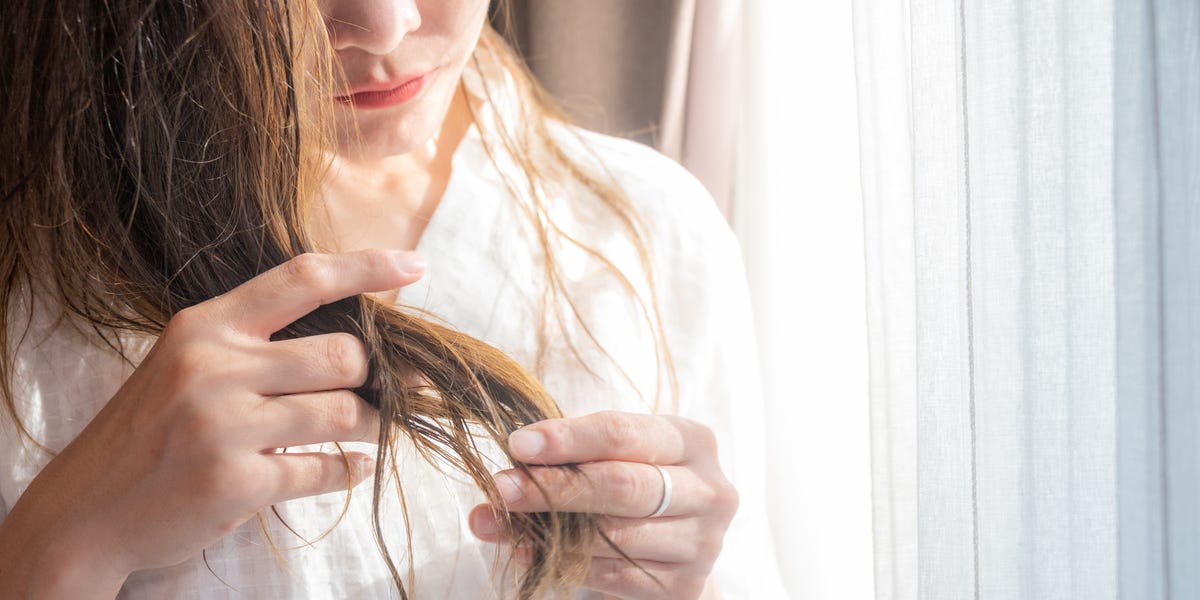
If it seems like your hair shedding is at an all-time high right now, it’s not your eyes playing tricks on you. For years, summer has been labeled as peak shedding season, but the truth is that winter (and everything that comes along with it) can obstruct the normal hair growth cycle and push more hairs into the shedding phase.
While seasonal shedding is common and often temporary, losing hair at an alarmingly high rate is enough to send many of us into panic mode, prompting a serious consideration of hair growth vitamins and hair-strengthening treatments. So, before you freak out and start panic-buying supplements, here’s everything to know about winter hair loss—including what’s normal, what’s not, and the best winter haircare to combat shedding.
What is winter hair loss and why does it happen?
It turns out that winter hair loss and shedding are more common than most of us think. According to board-certified dermatologist David Kim, MD, temperature changes during the colder months can cause hair follicles to go into a state of shock and shift into the shedding phase, causing diffuse hair loss across the scalp. This seasonal hair loss is usually a form of telogen effluvium, the type of hair loss seen after childbirth, surgery, drastic weight loss, or major stressful events, says board-certified dermatologist Joyce Park, MD. “More hairs than usual shift into the resting phase of the hair cycle and shed a few months later.”
One theory behind seasonal hair loss is that the body holds onto more hair during the summer to protect the scalp from potential UV damage naturally. Then, as sun exposure naturally decreases during winter, many of those hairs begin to shed. Changes in exposure to daylight can also affect melatonin and vitamin D levels, Dr. Kim shares, which play a role in the overall hair growth cycle.
Other stressors can also impact the hair’s normal growth cycle. Kadi Lee, co-founder of Highbrow Hippie Haircare and Wellness, says winter is tough on hair because of colder air, artificial heat, and lower humidity levels that pull moisture from the scalp and hair. “All of this can lead to dryness, increased breakage, and potential shedding,” she adds. Other factors, mostly environmental and systemic, can also influence more follicles to enter the resting phase, which later manifests as increased shedding, Lee says. Of course, how much hair falls out is individual. The good news? Most of the time, these shifts are temporary, and with the right support, hair usually returns to normal.
How winter affects healthy hair:
Dry winter air and artificial indoor heat are two common culprits that affect hair health. With low humidity levels, Lee says the scalp tends to lose water faster, leaving it tight, flaky, and slightly inflamed, like non-moisturized skin. A compromised scalp can cause hair to become dry and frizzy. “At the same time, the hair fiber itself gets drier and the cuticle lifts, which is why more brittleness and breakage can be seen,” Lee adds. “Sometimes, this can be mistaken for true shedding, which is why it’s important to observe change.” However, Dr. Kim is quick to point out that while neither cold air nor artificial heat directly impacts hair loss, both suck moisture from the scalp and disrupt the scalp barrier, causing it to become inflamed. Plus, when the scalp’s microbiome and moisture barrier are thrown out of balance, scalp conditions linked to dryness, flaking, itching, and irritation, like dandruff and seborrheic dermatitis, are more likely to show up.
But that’s not the only winter habit that impacts the hair. Constantly wearing tight-fitting knit hats and beanies can trap sweat and humidity, leading to friction and breakage while causing oil levels and the scalp’s microbiome to fluctuate. “If you wear beanies all day, make sure to wash your hair regularly so your scalp is not accumulating that sweat and humidity,” Dr. Kim says.
Related StoriesHow to prevent winter hair loss:
According to Dr. Park, one mistake people make in caring for their hair is only treating the hair strands and ignoring the scalp. Healthy hair starts with a healthy scalp, which means keeping the scalp clean, addressing flaking or irritation, and using products that support barrier health and follicle signaling. She reminds her patients that anxiety around shedding can make the experience feel worse, so reassurance and consistency matter.
One of the best ways to protect hair from winter shedding is to maintain a healthy lifestyle and stay active, Dr. Kim says. “Iron and vitamin D deficiencies can impact hair growth, so taking these supplements can be helpful.” Lee likes working with targeted supplements and rituals like herbal teas since nutritional deficiencies and systemic strain often show up in the hair first.
Since winter is one of the best times to up your hair regrowth game, at-home haircare plays a critical role in preserving hair on your head. “An at-home care routine that addresses both scalp and strands is an essential part of any plan I create for my clients,” Lee says. She also recommends following multi-tiered hair health systems that target hair wellness from multiple angles. “The focus should be on simple habits that create a healthier environment for growth rather than trying to stop shedding altogether.”
So, what should your hair care lineup consist of?
✅ A gentle, non-stripping shampoo to maintain balance. Bonus points for formulas that contain anti-inflammatory ingredients as well as those that support follicle activity.
✅ A light hydrating conditioner to use after shampooing.
✅ A scalp serum packed with peptides, caffeine, antioxidants, or hair growth-promoting actives.
✅ A hair growth helper, like Minoxidil, used once or twice a day. Nutritional supplements can help if a true deficiency exists.
✅ A red light therapy cap or device, which can stimulate blood flow and strengthen the follicles when used regularly.
🛑 Avoid washing with very hot water and excessive use of heat-based styling products, both of which can lead to unnecessary damage.
⚠️ Indulge in scalp massages occasionally, which Lee says help protect the scalp barrier and reduce breakage rather than over-stimulating the strand. “Scalp serums and occasional anti-flaking treatments can also help keep the barrier calm and balanced.”
FYI: While incorporating these products and treatments into your regular haircare routine can help, Dr. Park warns that none are overnight fixes. “When scalp care is treated as the foundation, shedding often improves, and regrowth has a much better chance to thrive.”
When to see a dermatologist for hair loss:
If more hair than normal is shed or there’s excessive shedding that’s accompanied by pain, redness, itching, or patchy thinning that lasts longer than three or four months, Dr. Park says it’s time to get checked out by a doctor. It’s normal to lose some hair around the temples, at the part, or crown. But if you also notice a widening of the part, a shrinking ponytail, thinning throughout, patchy hair loss, or hair that’s falling out in clumps, those warning signs also warrant an appointment with a dermatologist. A round bald spot may indicate something more serious, like alopecia areata rather than seasonal hair shedding, Dr. Kim says.
Any major visible changes to the hair or scalp that feel “off” should also be looked at by a professional. “If the scalp feels inflamed or the density is visibly shifting rather than just fluctuating, it’s worth getting a professional evaluation,” Lee says. “It may not be something serious, but early assessment makes reversible causes much easier to correct.”
Meet the experts:Why trust Cosmopolitan?
Elise Minton Tabin is an award-winning beauty journalist, editor, and expert with 20 years of experience. A prolific content creator and trendspotter, Elise always knows what’s new, what works, and who’s the best to go to for treatments and procedures.
Related Story
Elise Minton Tabin is an award-winning beauty journalist, editor, and expert with 20 years of experience. She started her career in public relations before shifting to editorial. Elise rose the ranks at NewBeauty magazine from an editorial assistant to Executive Beauty Editor, overseeing and reporting on all things beauty, plastic surgery, anti-aging, health, and wellness. A prolific content creator and trendspotter, Elise always knows what’s new, what works, and who’s the best to go to for treatments and procedures. She contributes to media outlets including InStyle, NewBeauty, The Zoe Report, Byrdie, Beauty Independent, The Aesthetic Guide, Bazaar, and more.