February 17, 2026
3 min read
Add topic to email alerts
Receive an email when new articles are posted on
Please provide your email address to receive an email when new articles are posted on .
“
data-action=”subscribe”>
Subscribe
We were unable to process your request. Please try again later. If you continue to have this issue please contact customerservice@slackinc.com.
Back to Healio
Key takeaways:
The statement provides four key points about the utilization of “food is medicine” for chronic diseases.
The update “coincides with a key time of increased national attention on nutrition,” ACLM said.
The American College of Lifestyle Medicine, or ACLM, announced updates to its dietary position statement aimed at helping clinicians address chronic disease.
“ACLM’s original dietary position statement was a brief, simple statement about the optimal foods to include for the treatment, reversal and prevention of lifestyle-related chronic diseases,” Micaela Karlsen, PhD, MSPH, ACLM senior director of research, told Healio. “That original statement has now been expanded to include four points.”
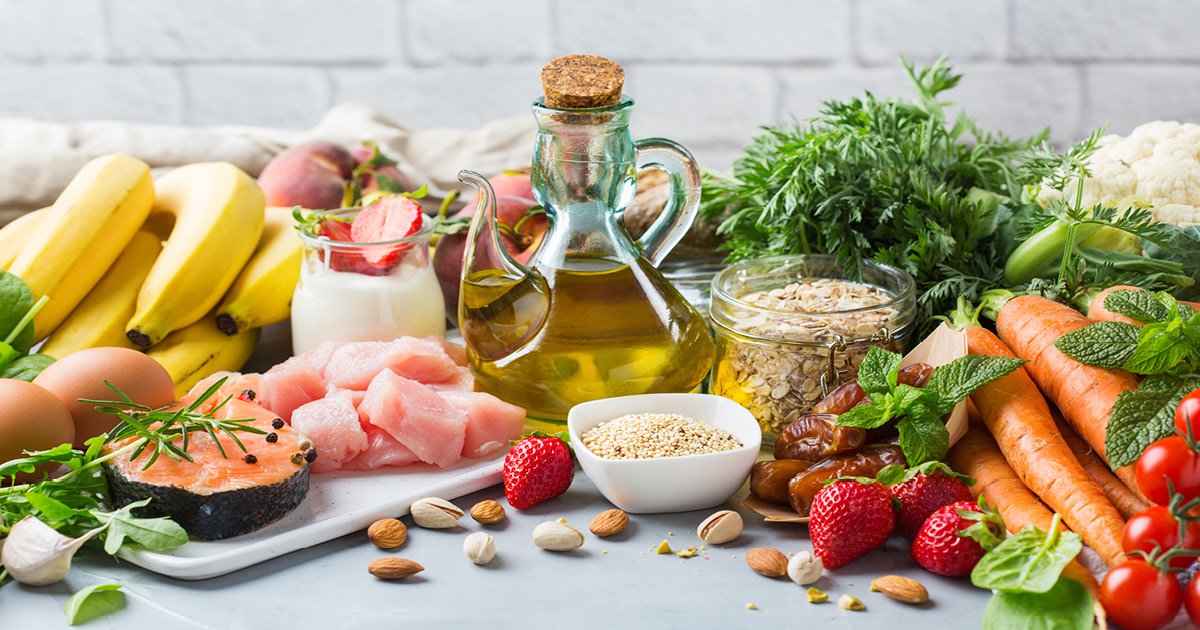
ACLM’s statement provides four key points about the utilization of “food is medicine” for chronic diseases. Image: Adobe Stock
The updated statement “coincides with a key time of increased national attention on nutrition,” ACLM said in a press release.
Specifically, it comes as HHS last month released the 2025-2030 Dietary Guidelines for Americans (DGAs), which received both praise and disagreement from major medical organizations.
According to ACLM, the panel that developed the updated statement was composed of multiple types of health care experts, including DOs, MDs, registered dieticians, PhD researchers, chefs and health coaches.
The expert panel agreed that “food is medicine” — also known as “food as medicine — “is the use of food and nutrition interventions, guided by trained health care professionals, to improve health outcomes and nutrition security across the lifespan.”
Karlsen pointed out that these initiatives are done best “in settings that use person-centered, culturally tailored and collaborative decision-making.”
ACLM said that food is medicine can include counseling, nutrition education, behavioral support, culinary medicine education and “in some cases, the provision of healthy food and related resources,” especially among underserved populations.
The panel also agreed that “healthy dietary patterns exist along a continuum of food-based interventions” spanning from prevention to “reversal of lifestyle-related chronic diseases, with variation in intensity and therapeutic dosing.”
The panel said that optimal dietary patterns for the prevention, treatment and reversal of chronic diseases should:
focus on a variety of whole and minimally processed plant foods like fruits, vegetables, whole grains, nuts, seeds, legumes and mushrooms, “while meeting but not exceeding energy requirements”; and
minimize red and processed meats, foods high in saturated fat, ultraprocessed foods containing added sugars, refined carbohydrates, unhealthy fats and oils, sweeteners and excess sodium.
Karlsen noted the updated statement has “strong alignment” with the new DGAs, “such as the DGAs’ strong recognition of the connection between diet and chronic disease, the emphasis on whole and unprocessed food, the limiting of highly processed foods, added sugars and ultraprocessed foods, and the emphasis on water as the beverage of choice.”
But “we do diverge on the topics of protein foods because ACLM recommends limiting red meat,” she told Healio. “ACLM also does not consider butter or beef tallow healthy fats.”
The panel additionally said that effective implementation of food is medicine in clinical practice is best achieved through an interprofessional health care team “all working within their scope of practice and trained in nutrition-related lifestyle medicine competencies.”
Such a team should include registered dietitians certified in lifestyle medicine.
“Tailoring nutrition prescriptions to meet people where they are and ensuring they are appropriate to their goals and health needs is critical in supporting them to eat more of the foods that promote health and fewer of the foods that increase risk of chronic disease,” Karlsen said.
For more information:
Micaela Karlsen, PhD, MSPH, can be reached through Alex Branch, ACLM director of communications, at abranch@lifestylemedicine.org.
Sources/Disclosures
Source:
References:
Disclosures:
Healio could not determine relevant financial disclosures at the time of publication.

Ask a clinical question and tap into Healio AI’s knowledge base.
PubMed, enrolling/recruiting trials, guidelines
Clinical Guidance, Healio CME, FDA news
Healio’s exclusive daily news coverage of clinical data
Learn more
Add topic to email alerts
Receive an email when new articles are posted on
Please provide your email address to receive an email when new articles are posted on .
“
data-action=”subscribe”>
Subscribe
We were unable to process your request. Please try again later. If you continue to have this issue please contact customerservice@slackinc.com.
Back to Healio