This week’s health trends highlight simple strategies that could make a meaningful difference—from heart health to blood sugar control to maintaining muscle as you age.
Here’s what to know about oatmeal’s impact on cholesterol, smarter supplement combos, coconut water, and protecting your strength over time.
1. Add oatmeal to your diet to lower cholesterol 🥣
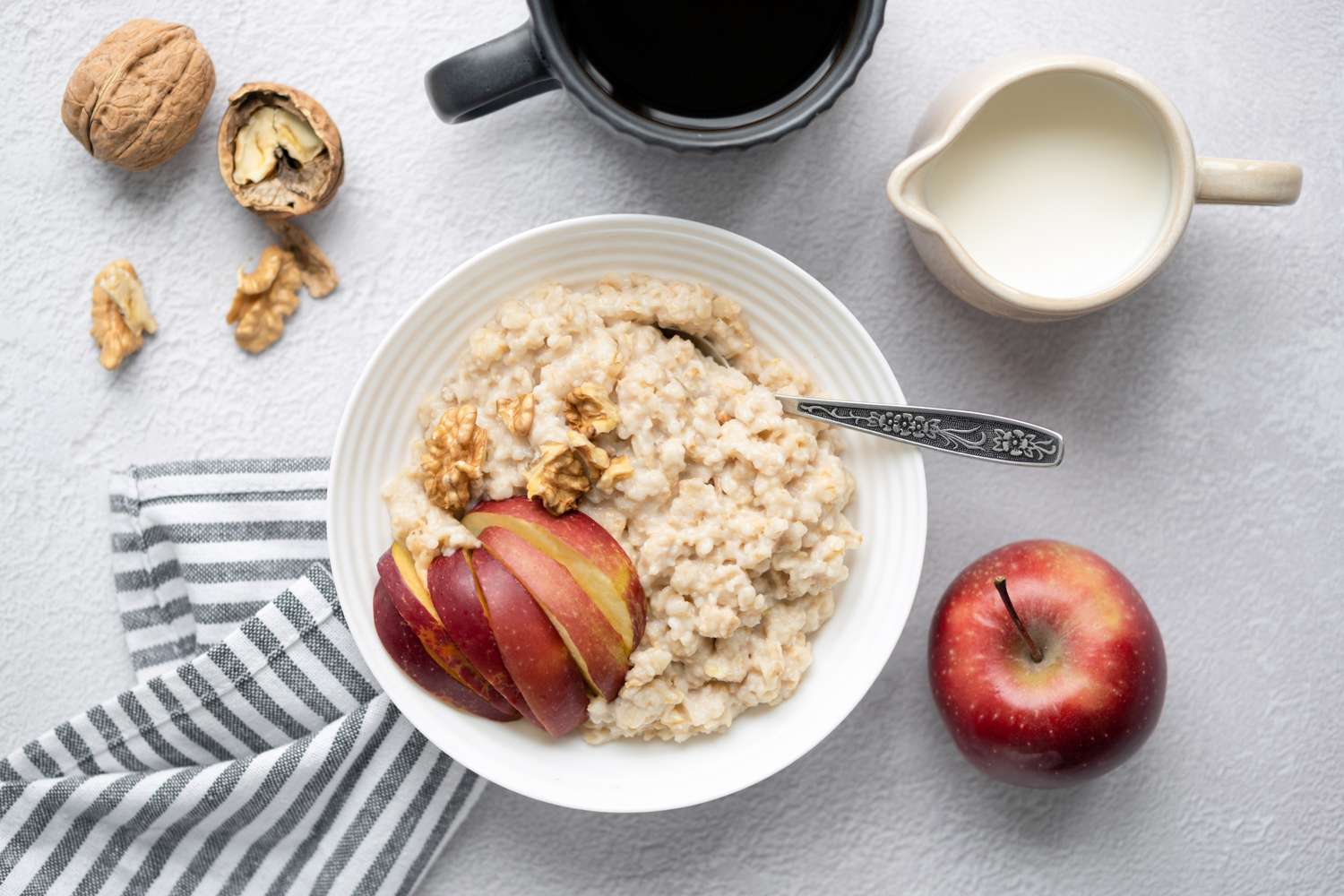
Oatmeal’s high fiber content makes it a go-to food for lowering high cholesterol, but its heart health benefits may also stem from its antioxidants and effects on the gut microbiome.
A new study found that when people ate large amounts of oats—and only oats—for two consecutive days, their cholesterol levels dropped and remained lower for weeks. While oatmeal alone isn’t a sustainable diet, the findings reinforce its role in a heart-healthy eating pattern.
2. Pair vitamin D with these nutrients to improve absorption 🌞
The dark, cold days of winter are a key time to make sure you’re getting enough vitamin D, since you’re likely spending less time in the sun. If you already take a supplement, that’s a good start—but certain nutrients can help your body make better use of it.
Magnesium, omega-3 fatty acids, vitamin K2, and probiotics may all support vitamin D absorption. Just check with your doctor about taking multiple supplements, especially if you take medication or have chronic health conditions.
3. Get more out of fish oil supplements 🐟
Regarding combining supplements, fish oil may also be more effective when combined with vitamin E or healthy fats like avocado. Vitamin E helps protect omega-3s from oxidative stress, which may allow your body to absorb and use more of them.
Again, make sure to talk to your doctor before combining multiple supplements.
4. Swap sugary drinks for coconut water 🥥
Coconut water is naturally sweet and highly hydrating. It’s best known as a natural source of electrolytes, but it may also support blood sugar control.
Because coconut water contains natural sugars, it offers a touch of sweetness without the sharp blood sugar spike linked to sugar-sweetened beverages. Its electrolytes may also help support more stable blood sugar levels.
5. Keep these 3 strategies in mind to protect your muscles 💪
Losing muscle and noticing changes in body composition with age are common, but you can take steps to preserve muscle strength, including staying physically active and eating enough protein.
Research shows that combining resistance training, balance exercises, and adequate protein intake helps older adults maintain strength, mobility, and lean muscle mass—all of which support a longer, healthier life.

Abby Norman is a writer and editor with more than a decade of experience in the healthcare industry.
Thanks for your feedback!
What is your feedback?
Helpful
Report an Error
Other