RT’s Three Key Takeaways:
Antibodies Can Actively Block TB Growth: Researchers discovered that certain antibodies targeting key Mycobacterium tuberculosis proteins can activate immune cells, especially macrophages, to stop bacterial replication inside the body.
Fc Domain Structure Is Critical: The protective effect depends on specific sugar modifications (N-glycans) on the antibody’s Fc domain, which enhance its ability to trigger immune defenses rather than directly neutralize the bacteria.
Implications for Vaccines and Therapies: These findings provide a roadmap for designing improved TB vaccines, diagnostics, and antibody-based treatments that harness the immune system more effectively to prevent and control tuberculosis.
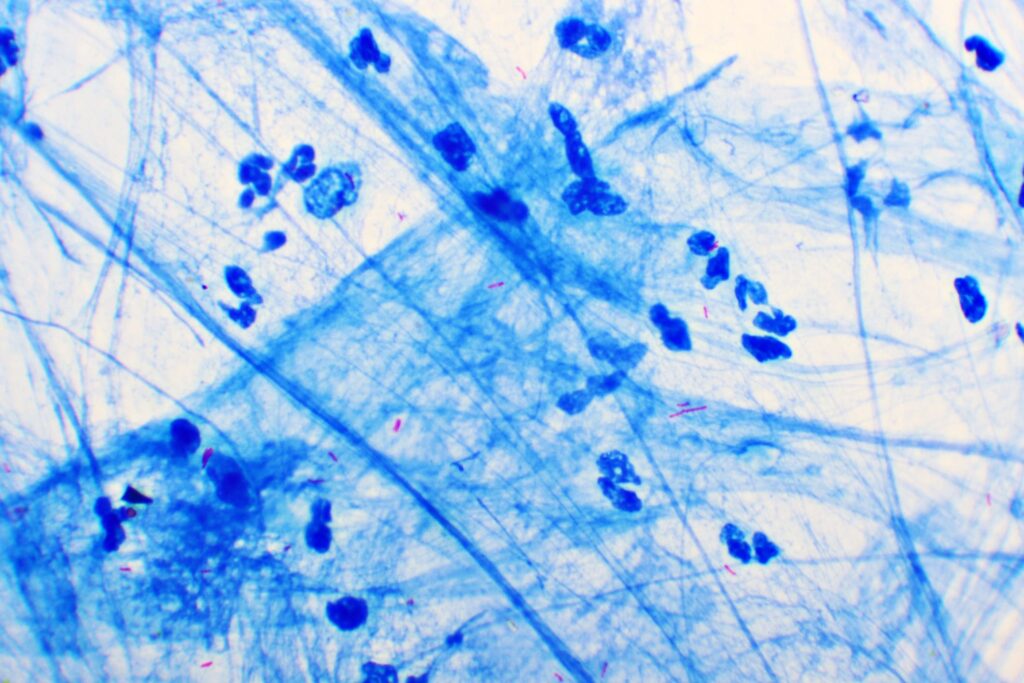
Certain antibodies inhibit Mycobacterium tuberculosis, the cause of tuberculosis (TB), the infectious disease that claims the most lives worldwide, a study led by UT Southwestern Medical Center researchers found. Published in Cell Reports, the study identified characteristics of these antibodies and revealed insights that may lead to clinical tools that help prevent TB and other diseases.
“This data changes how we think about using the immune system against tuberculosis by showing how some antibodies activate immune cells in patients to block Mycobacterium tuberculosis (Mtb),” said the study’s senior author, Lenette Lu, M.D., Ph.D., Assistant Professor of Internal Medicine and Immunology and a member of the Division of Infectious Diseases and Geographic Medicine at UT Southwestern.
Despite widespread use of Bacillus Calmette-Guérin (BCG), the only licensed TB vaccine, the Centers for Disease Control and Prevention (CDC) estimates that 10.8 million people became ill with TB in 2023 and 1.25 million died.
One in four people worldwide are infected with Mtb, but only 10% develop tuberculosis symptoms. Why some individuals are protected while others are not is unclear. Unraveling this mystery could lead to more effective clinical tools against TB.
More than a century of research has led to many discoveries about the importance of immune cells in treating TB but only recently have more advances been made in understanding the role of antibodies – proteins that protect against many infectious diseases. Antibodies use their front end, or Fab domain, to bind to and directly neutralize many viruses and bacteria and prevent entry into a cell. For Mtb, no amount of neutralization through the Fab domain has been enough to block infection and provide protection.
In 2016 and 2019, Dr. Lu and her colleagues reported that differences in the antibody back end, or Fc domain, could explain why some individuals highly exposed to Mtb remain well while others develop disease. More specifically, variable levels of sugars or N-glycans that decorate the Fc domain could help an antibody activate immune cells to fight off Mtb, but which of the quintillion antibodies in the human body could achieve this was unknown.
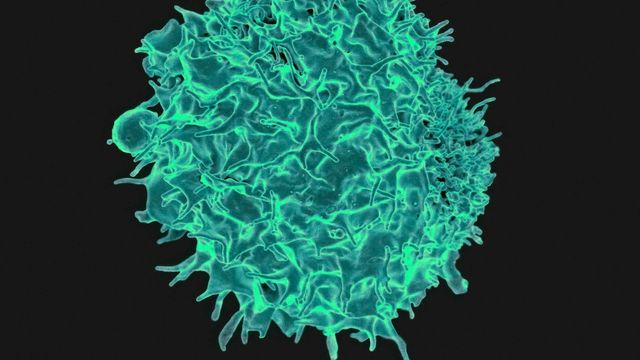
In this study, Dr. Lu and collaborators found that antibodies in TB patients targeting two specific Mtb proteins known to be critical for disease development, ESAT-6 and CFP-10, have the ability to fight off Mtb. Rather than directly neutralizing to prevent initial entry and infection, these antibodies activate immune cells called macrophages – an important target for infection by Mtb in the body – to block replication once the bacteria are inside.
This anti-Mtb activity is dependent on the presence of distinct N-glycans on the Fc domain that enable interactions with Fc receptors on the macrophage. Advances in technology have enabled scientists to engineer antibody Fab and Fc domains as well as N-glycans. Identifying these underlying characteristics that could protect in natural human infection and disease offers insight on how to build antibodies with supernatural activities against TB.
“It is estimated that a more effective vaccine would prevent 8.5 million deaths in the next 25 years, saving $41.5 billion in TB-related household expenditures, and a more effective diagnostic could have a similar level of impact,” Dr. Lu said. “This study puts us closer to solving these unmet needs through building more effective clinical tools to detect, treat, and prevent TB.”
According to the Department of State Health Services, Texas is among four states accounting for about half of all TB cases in the U.S. Texas consistently ranks second for the highest number of cases, reporting 1,243 in 2023 and a provisional 1,266 in 2024. The state’s rate of 4.1 cases per 100,000 residents in 2023 was higher than the national average.