Many adults assume vaccines are only a childhood responsibility, but protection against diseases like tetanus, rabies, influenza, shingles, pneumonia, and even measles can weaken over time.
Booster shots, updated schedules, travel exposure, aging immune systems, and lifestyle risks all make adult vaccination essential.
Skipping updates increases the risk of serious infections that are often preventable with simple periodic immunization.
Why Adult Vaccination Often Gets Overlooked
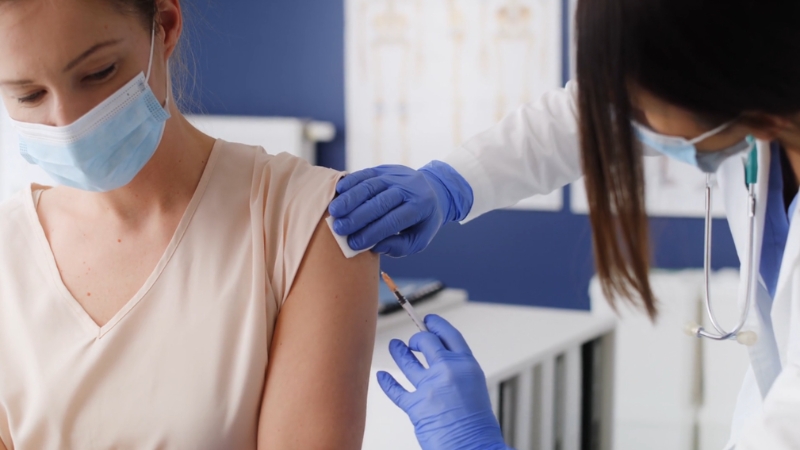 Adult immunity declines over time, and missed boosters increase preventable infection risk
Once childhood vaccination schedules are completed, most people stop thinking about immunization unless a job requirement, travel rule, or pregnancy triggers a reminder.
Unlike pediatric care, adult healthcare visits often focus on existing conditions rather than preventive measures. This creates a gap where vaccines fall off the radar.
Immunity is not always lifelong. Some vaccines provide long-term protection but still require boosters every 5 to 10 years.
Others must be repeated annually due to virus mutations, as seen with influenza. Age-related immune decline also reduces the body’s ability to maintain strong antibody responses, which makes boosters more important after 50 or 60 years of age.
Lifestyle changes also play a role. People move, travel internationally, adopt pets, work outdoors, or take up activities such as hiking or construction.
Each situation can increase exposure to infections like tetanus or rabies without the person realizing the risk profile has changed.
Tetanus: The Booster Adults Most Commonly Miss
Tetanus is caused by Clostridium tetani, bacteria found in soil, dust, and animal waste. Infection typically occurs through puncture wounds, cuts, burns, or contaminated injuries.
Unlike many infections, tetanus is not spread person-to-person. Prevention relies entirely on vaccination.
A common misconception is that tetanus shots are only necessary after stepping on a rusty nail. In reality, any contaminated wound can introduce bacteria, including gardening scratches, minor construction injuries, or animal bites.
Tetanus Booster Recommendations
Factor
Recommendation
Notes
Routine adult booster
Every 10 years
Usually combined as Tdap or Td
High-risk injury
Booster if last shot >5 years ago
Deep or contaminated wounds
Pregnancy
Tdap during each pregnancy
Protects newborns
Healthcare or outdoor workers
Strict booster compliance
Higher exposure risk
Without vaccination, tetanus can cause muscle stiffness, jaw locking, spasms, breathing difficulty, and potentially death. Even with modern treatment, recovery can be long and complicated.
Rabies: Rare but Extremely Serious
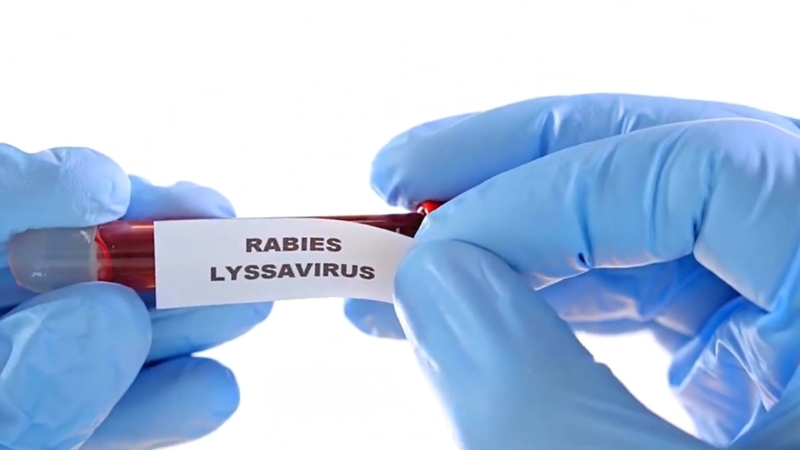 Source: Youtube/Screenshot, Rabies is nearly always fatal after symptoms begin, so rapid post-exposure treatment is critical
Rabies vaccination is less routine than tetanus, but adults often underestimate its importance in specific situations. Rabies is almost always fatal once symptoms appear. The virus spreads through saliva, usually from animal bites, scratches, or mucous membrane exposure.
Most developed countries maintain control programs, but exposures still occur through bats, stray animals, wildlife, or travel to regions where rabies remains endemic.
Dog bites represent a particularly common exposure pathway globally. Beyond medical treatment, serious bites can involve legal and financial considerations, especially if negligence or unsafe animal handling is involved.
Situations like this sometimes require professional legal guidance; for example, information that can help clarify next steps after an incident can be found on this website.
Rabies Risk Groups
Group
Why Risk Exists
Vaccine Approach
Travelers to endemic regions
Limited animal vaccination programs
Pre-exposure vaccine advised
Veterinarians, animal handlers
Frequent contact with animals
Routine preventive vaccination
Outdoor workers
Possible wildlife encounters
Risk-based vaccination
Pet owners in rural areas
Stray or wild animal contact
Post-exposure protocols important
If exposure occurs, post-exposure vaccination combined with rabies immune globulin can prevent disease. Delaying treatment significantly increases risk.
Adults often forget that even minor bat contact, unnoticed bites, or scratches can justify medical evaluation. Rabies exposure is not always dramatic or obvious.
Routine Adult Vaccines Frequently Missed
Many routine vaccines fade from attention once childhood schedules end. Some protect against diseases that remain active globally or seasonally.
Others become more relevant with aging or chronic health conditions.
Key Routine Adult Vaccines
Vaccine
Typical Adult Timing
Main Protection
Influenza
Annually
Seasonal flu complications
COVID boosters
Periodic updates
Severe respiratory disease
Shingles (Herpes Zoster)
Age 50+
Painful nerve rash
Pneumococcal
Age 65+ or risk groups
Pneumonia, meningitis
HPV
Up to age 45 in some cases
Cancer prevention
MMR booster
Adults without immunity
Measles, mumps, rubella
Adults frequently skip these because symptoms of the diseases may seem mild or rare. However, complications increase with age, immune compromise, or chronic disease.
Why Immunity Weakens Over Time
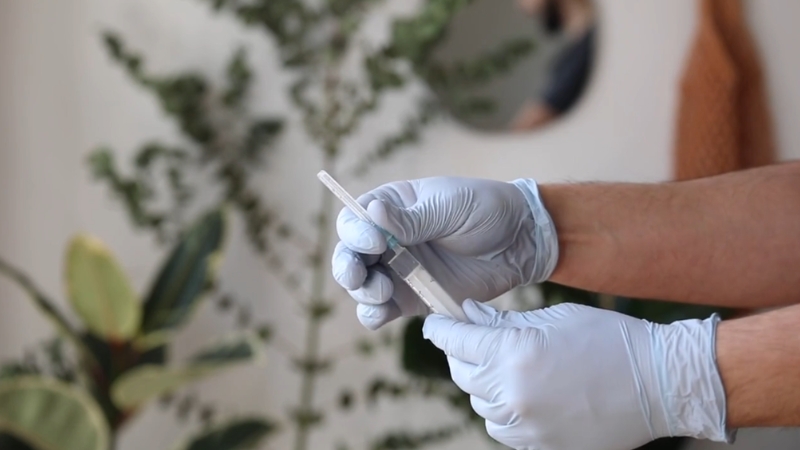 Immunity declines with age and health stressors, so booster vaccines restore protection
The immune system naturally changes across decades. Antibody levels decline, immune memory fades, and the body’s response to infection slows. This process is gradual but measurable.
Several factors accelerate immunity decline:
Aging immune system function
Chronic illnesses like diabetes or heart disease
Stress and sleep disruption
Smoking and alcohol use
Nutritional deficiencies
Booster vaccines stimulate the immune system to rebuild protective antibody levels without causing disease.
Travel, Occupation, and Lifestyle Factors
Modern lifestyles expose adults to infections in ways childhood vaccination schedules never anticipated. International travel is one of the biggest contributors.
Countries differ widely in vaccination coverage, disease prevalence, and environmental exposure risks.
Certain occupations also increase vulnerability:
Occupation
Vaccine Considerations
Healthcare workers
Hepatitis B, influenza, and Tdap
Construction or agriculture
Tetanus boosters essential
Laboratory staff
Rabies, hepatitis, depending on work
Teachers or childcare providers
MMR and flu updates
International business travelers
Region-specific vaccines
Outdoor hobbies such as hiking, camping, or animal rescue work similarly raise exposure risks.
Common Misconceptions About Adult Vaccination
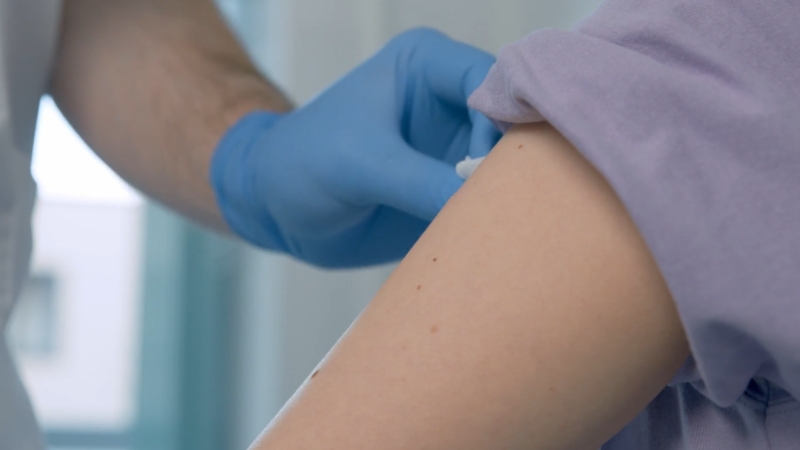 Adult vaccine myths lead to missed boosters and higher preventable disease risk
Many adults hold outdated beliefs about vaccines that reduce compliance. Some assume childhood shots last forever. Others think healthy adults do not need boosters.
Another common myth is that vaccines are only necessary after injury or exposure.
In reality, prevention works best before exposure occurs. Waiting until after an injury or travel plan can create rushed decisions or missed protection windows.
Some adults also fear side effects more than disease risk. Modern vaccines undergo rigorous safety monitoring. Severe adverse reactions are rare compared with complications from infections like tetanus, rabies, or pneumonia.
How To Check Your Vaccine Status
Many adults simply do not know their vaccination history. Records may be lost, incomplete, or never digitized. Reviewing vaccination status with a healthcare provider is straightforward and often part of routine preventive care.
Typical steps include:
Step
Purpose
Review medical records
Identify past vaccines
Blood antibody testing
Confirm immunity if uncertain
Risk assessment
Lifestyle, travel, occupation
Booster scheduling
Update protection
Even partial information helps guide decisions.
Special Considerations After Age 50
After midlife, infection complications become more serious. Pneumonia, shingles, influenza, and COVID variants can lead to hospitalization more easily than in younger adults.
Vaccination strategies often expand in this age group:
Age Group
Priority Vaccines
50–60 years
Shingles, tetanus booster
60–70 years
Influenza annually, pneumococcal
70+ years
Reinforced booster schedules
Preventive vaccination in this phase often reduces long-term healthcare complications.
Global Trends in Adult Vaccination
Public health data consistently show lower vaccination compliance among adults compared with children. Childhood vaccination programs benefit from structured schedules, school requirements, and parental oversight.
Adult programs rely heavily on personal initiative.
Factors affecting adult vaccination rates include:
Lack of reminders
Limited access to preventive care
Vaccine misinformation
Cost concerns in some regions
Busy work schedules
Healthcare systems increasingly use digital reminders and pharmacy-based vaccination services to improve uptake.
Practical Prevention Strategy
Keeping vaccines current does not require frequent clinic visits. Most adults only need periodic boosters plus an annual flu vaccination.
Simple Adult Vaccine Maintenance Plan
Action
Frequency
Review vaccination history
Every 5 years
Tetanus booster
Every 10 years
Flu shot
Every year
Travel vaccine consultation
Before trips
Age-related vaccines
After 50 or 65
This approach minimizes risk while avoiding unnecessary medical visits.
Final Perspective
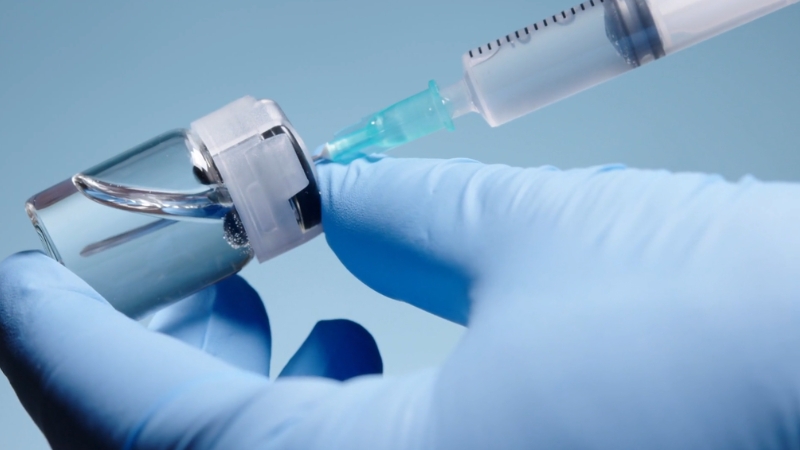 Regular booster updates maintain protection against serious but preventable infections
Adult vaccination is preventive maintenance for the immune system. Protection against tetanus requires regular boosters.
Rabies awareness remains essential for travelers, animal handlers, and outdoor workers. Routine vaccines such as influenza, shingles, pneumococcal, and MMR continue to protect adults from diseases that still circulate globally.
Ignoring booster schedules does not eliminate risk. It simply removes a proven layer of protection. Periodic vaccine review remains one of the simplest preventive health actions adults can take.