
In an era utterly obsessed with all things wellbeing, more and more people are turning to pills, shakes and supplements in fear of lacking a certain vitamin or vital nutrient.
If a doctor rules that a patient doesn’t receive enough important minerals from their diet, they might prescribe some iron tablets. In countries that receive minimal sunlight, meanwhile, medics might recommend v itamin D boosters.
Magnesium tablets are amongst those heavily promoted by social media influencers for their reported propensity to improve sleep and reduce tiredness, and omega-3-rich fatty acids that can be obtained from fish oil supplements are recommended to support heart, brain, joint, and eye health.
Despite many vitamin replacements being hailed by medical experts for their viable bodily benefits, some are sounding the alarm when it comes to two particularly popular variants, which they claim could be doing more harm than good.
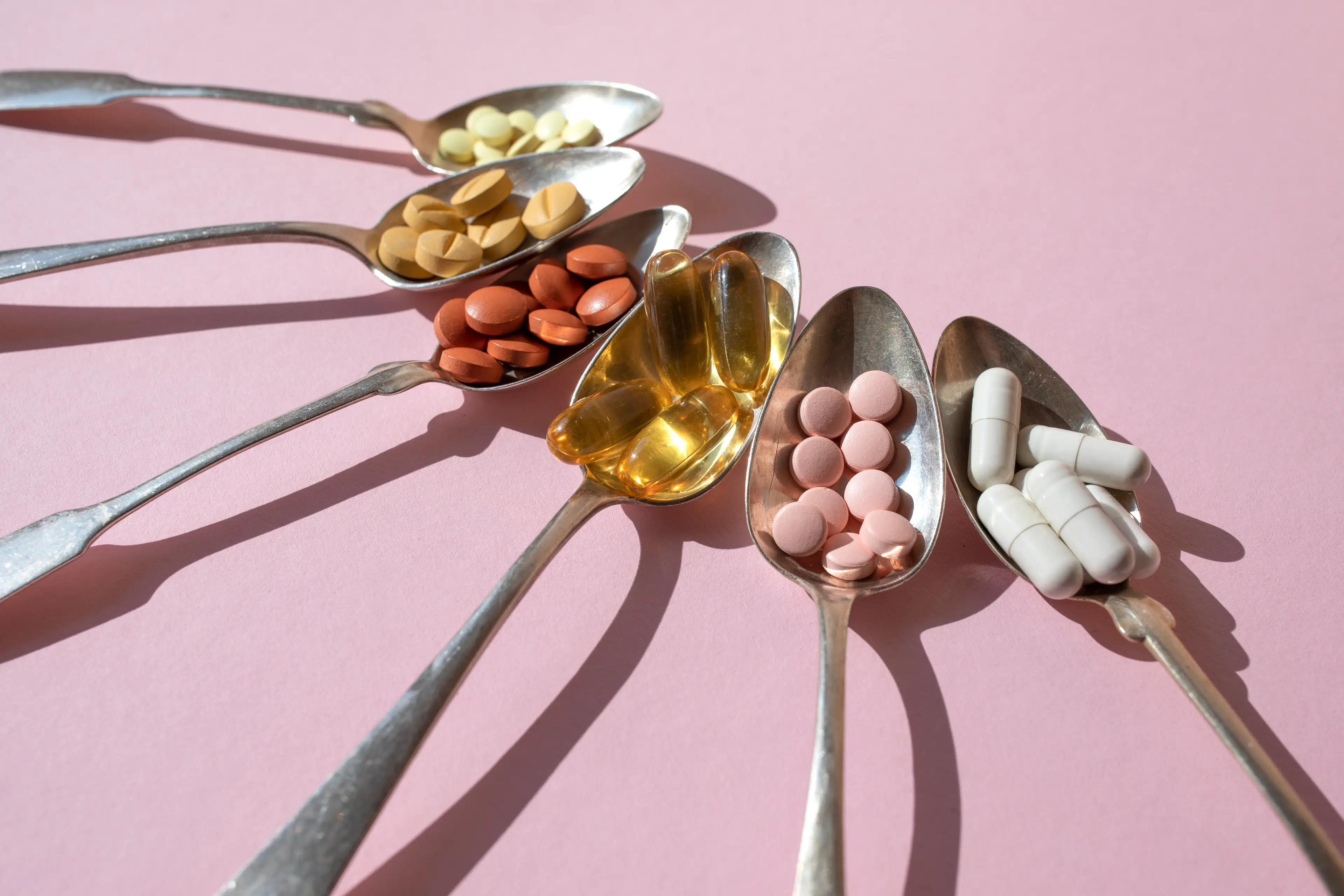 Supplements are all the rage at the moment, but could pose a risk to health (Getty Stock Images)
The suspects in question are vitamin A and vitamin E supplements.
What are their supposed benefits?
According to the National Institutes of Health’s Office of Dietary Supplements, the former is vital when it comes to a number of essential health functions like cellular communication, growth and development and reproduction.
Vitamin A is often advertised as being able to enhance a consumer’s vision, boost their immune system, and promote healthy skin. It’s most commonly obtained through a balanced diet rich in animal products and colourful fruits/vegetables.
When it comes to vitamin E, meanwhile, it’s famed for its antioxidising abilities that supposedly protect cells from damage, support immune function, improve blood vessel health, reduce inflammation and slow cognitive decline.
 Both A and E protect cells, boost immunity and promote health skin (Getty Stock Images)
You can obtain this nutrient naturally from vegetable oils, nuts, seeds and wheatgerm, as well as leafy greens like spinach and broccoli, and fruits like mangoes and kiwis.
What harms could they inflict?
As we say, however, in spite of the alleged benefits that come with vitamin A and E supplements, some health experts believe they should be approached with caution, given that they’re both fat-soluble pills.
Harvard’s School of Public Health epidemiology and nutrition professor, Walter Willett, previously told National Geographic: “Generally, I don’t suggest the use of vitamin supplements unless there is a specific reason to do so.”
His reasoning stemmed from the fact that these vitamins can become stockpiled in a consumer’s liver and trigger issues when it comes to this vital organ, and could see its surrounding fatty tissue rise to toxic levels.
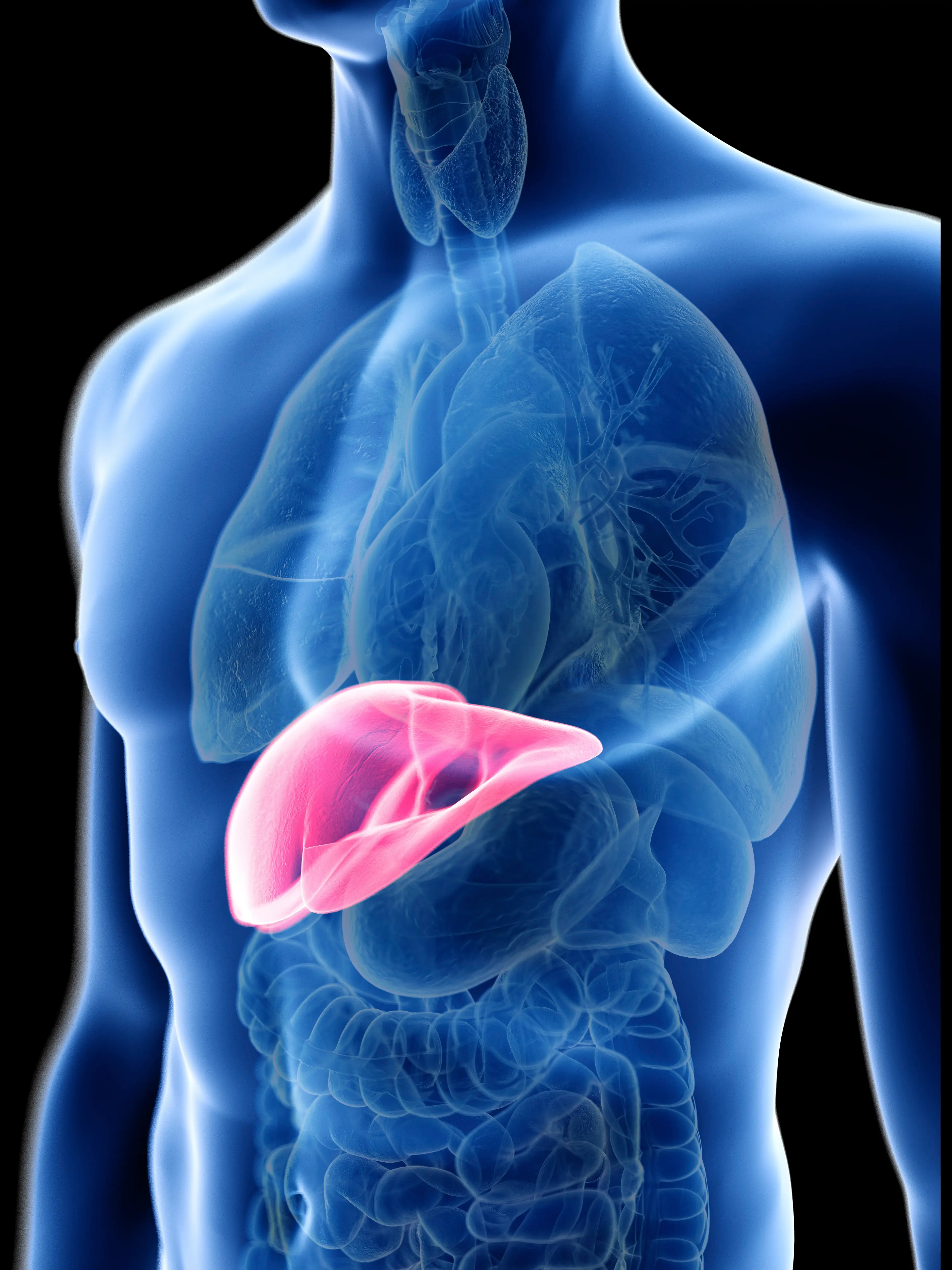 Overconsumption of either, or taking both together regularly, could cause liver problems (Getty Stock Images)
In these cases, liver injury is possible, along with the development of lung cancer later down the line.
University of Maryland Upper Chesapeake Health bariatric dietitian, Jessika Rose, also told the publication that over-consumption of vitamin E alone could affect a person’s blood, causing either clotting or haemorrhages.
She added that these particular pills might also mix poorly with other medications, including those for cancer.
Too much vitamin A, she added, could also have adverse effects, including joint pain, headaches, a loss of hair, muscle pain, a loss of vision and nausea, as well as birth defects, skin irritation and an increased risk of sustaining bone fractures.
According to the NHS, men should only consume a maximum of 4g of vitamin E per day, while women only need 3mg.
For vitamin A, meanwhile, the max for men should be capped at 700mcg, and 600mcg for women.