Anthocyanins are antioxidants linked to benefits for cognition, heart health, metabolism, and inflammation, and they’re also responsible for the blue, purple, and red hues found in some foods.
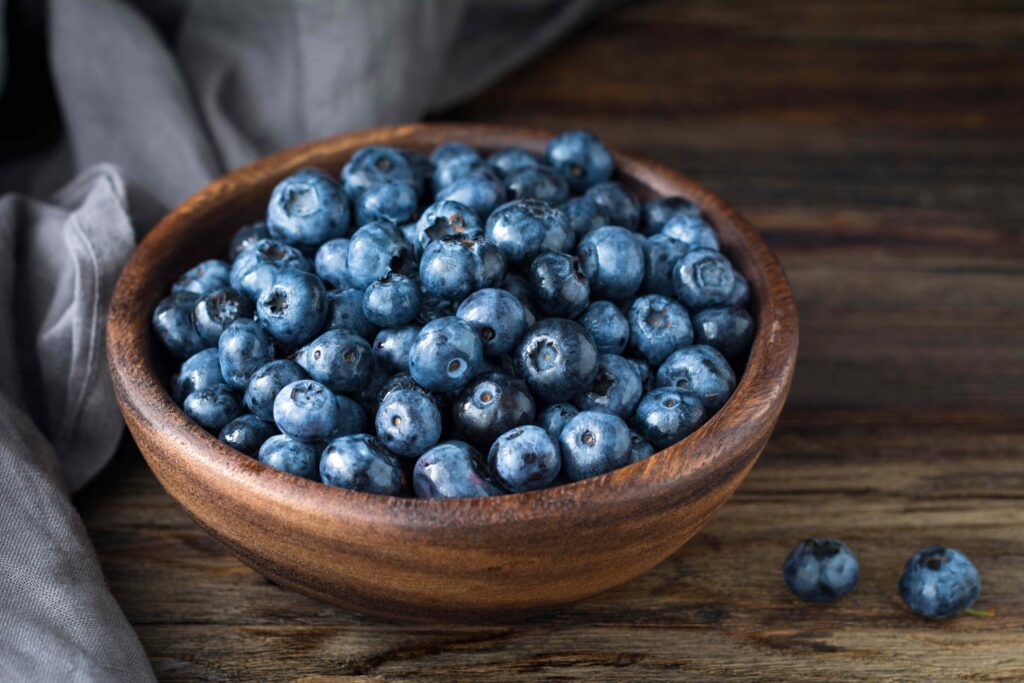
Blueberries are one of the best-known sources of anthocyanins, with highbush and lowbush varieties—some of the most common in North America—containing about 387–487 milligrams of anthocyanins per 100 grams. However, these berries aren’t the only foods packed with these colorful compounds—here are four others.
If you’d like to boost your intake of anthocyanins, reach for purple sweet potatoes. Per 100 grams cooked, they boast around 218–244 milligrams of these powerful compounds. Research suggests that the anthocyanins in these purple tubers may protect against inflammation, low blood sugar, tumor formation, liver disease, and more.
When prepping purple sweet potatoes, be mindful of your cooking method. One study found that boiling, steaming, and microwaving didn’t detract from anthocyanin content—but baking, frying, air-frying, and stir-frying slashed it by 11–45%.
Blackberries offer similar flavor and culinary uses as blueberries—with about as many anthocyanins. Common varieties can contain 70-240 milligrams per 100 grams.
As an added benefit, blackberries have over double the fiber of blueberries, with 7.6 grams per cup compared to blueberries’ 3.5 grams per cup. Getting more fiber in your diet not only promotes smooth digestion but also supports a healthy gut microbiome and helps maintain steady blood sugar.
Enjoy fresh blackberries when they’re in season by adding them to salads or breakfast cereal. Or, during the winter months, use frozen ones as a flavor upgrade for smoothies, yogurt bowls, or oatmeal.
Another summer berry that’ll fill up your anthocyanin tank: cherries. Sweet red cherry cultivars range from around 82–297 milligrams per 100 grams. While you’re noshing them by the handful, you’ll not only decrease oxidative stress—you might also reduce post-exercise soreness, support your blood pressure, reduce arthritis risk, and improve your sleep.
Intriguingly, cherries’ anthocyanin content can actually continue to increase after picking, so feel free to leave them in your refrigerator for as long as they appear fresh. Use them little by little as solo snacks, or let them provide a juicy burst in trail mix, granola, or a fresh cherry salsa.
Black rice offers a novel switch-up from the usual white or brown varieties—to the tune of about 456 milligrams of anthocyanins per 100 grams. Plus, cardiovascular disease prevention and anti-diabetic effects may be potential added benefits.
If you’re new to this highly pigmented version of rice, know that you can serve it all by itself as a side dish. Or, if you’d like to get more creative—and add even more antioxidants—try it in a grain bowl with veggies like carrots, edamame, and avocado.
Most of us don’t get a boatload of anthocyanins in our diets, so adding naturally red, blue, and purple foods is almost always a good idea. In fact, since anthocyanin bioavailability is quite low and the compounds are susceptible to degradation from temperature, light, and other environmental factors, it’s hard to go wrong eating more of them. (Overdoing it on antioxidants is typically only achievable with supplements or extremely high intake of specific foods.)
That said, anthocyanins are just one of many important antioxidants. A diet rich in a variety of colorful foods—especially plant foods like fruits, vegetables, and whole grains—helps ensure you get an amount that benefits your health.