At the upcoming Natural Products Expo West 2026 in Anaheim, California, US (Mar 3–6), Rousselot will feature its collagen peptides, Peptan and Nextida GC, highlighting their benefits for GLP-1 users and consumers seeking alternatives to the increasingly popular weight-loss drugs.
Florencia Moreno Torres, global marketing manager at Rousselot by Darling Ingredients, tells Nutrition Insight about Nextida GC’s recently granted US patent and its completion of a second clinical study to validate earlier findings.
“Common GLP-1 side effects include digestive discomfort, skin changes, and muscle loss. As consumers eat less, they must eat higher-quality food to mitigate potential side effects and properly nourish their bodies.”
Moreno Torres notes that Rousselot’s Peptan collagen peptides help manage these complications with enhanced nutritional support while imparting holistic benefits across gut health, skin beauty, muscle mass support, and more.

In addition, she highlights the company’s Nextida GC as a breakthrough specific collagen peptide composition.
“In preclinical and clinical studies, we’ve observed that Nextida GC naturally stimulates GLP-1 and GIP (gastric inhibitory polypeptide) secretion, supporting insulin response and reducing post-meal blood glucose spikes.”
“Consumers need only eat or drink a small snack or beverage with Nextida GC 30 minutes before a meal to achieve these effects,” Moreno Torres underscores.
Industry impact
As access to GLP-1 medications continues to grow, nutrition experts underscore the importance of nutritional guidance to avoid micronutrient deficiencies, loss of lean muscle mass, and other potential long-term health impacts as people lose weight rapidly. Meanwhile, the drugs’ popularity has also inspired innovations in complementary nutrition products or natural alternatives.
Moreno Torres notes that “GLP-1 is on everyone’s mind” and is having a profound impact on the industry and consumers. As emerging brands and industry leaders in functional foods, beverages, and supplements gather at Expo West 2026, she highlights its focus on discovery and innovation launches.
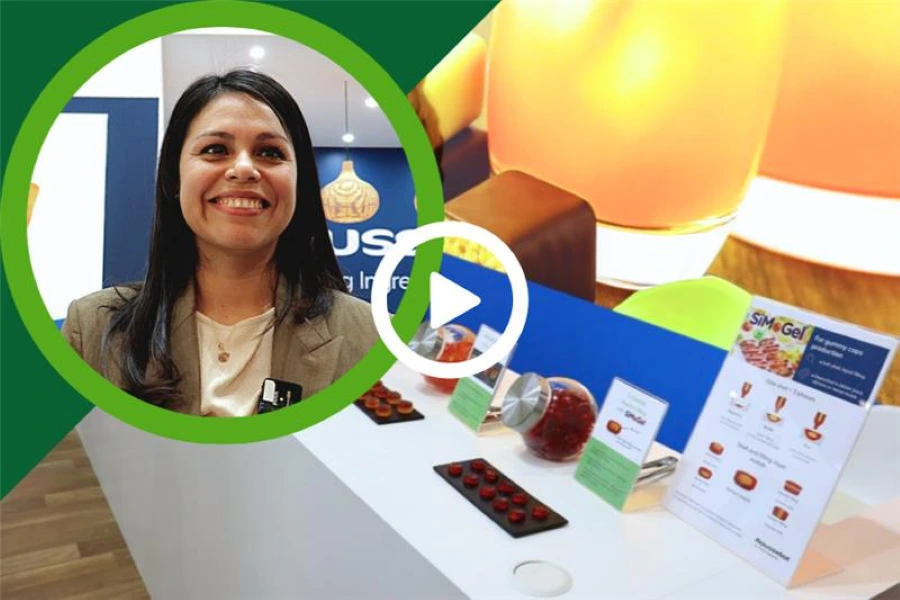 At the recent Food ingredients Europe trade show, Moreno Torres presented consumer-friendly application formats of its collagen peptides.“At the show, we’re focusing on how we can support consumers on this journey,” she adds.
“For some, it’s about providing nutritional support for the negative effects they may experience while on GLP-1 treatments. For others, it’s showcasing what opportunities exist for supplements to help manage post-meal glucose spikes and naturally stimulate the body’s own GLP-1 production.”
Nutrition Insight previously spoke with Rousselot’s science integration manager, Dr. Catarina Silva, about the science behind the company’s Nextida GC. She told us that the collagen peptide uses the body’s natural process of satiety hormones: “We created a specific collagen composition that enhances GLP-1 secretion more effectively than other collagen compositions we tested.”
Market growth
According to Moreno Torres, growth in the nutraceutical and nutrition market is driven by integrating functional ingredients into F&B to meet consumer needs in new ways.
“For consumers, the line between supplements and functional food and beverages is blurring. As a result, people are showing increased interest in food and beverages that offer the benefits they would have normally received from supplements.”
“Specific pharmaceutical treatments — especially GLP-1s that have driven huge shifts in our culture — are also creating new demands for supplement support for some of the negative effects people might experience,” she adds. “We’re staying ahead of the market by developing new collagen peptide compositions with meaningful benefits for all kinds of consumers.”
 While some consumers seek nutritional support for drugs’ side effects, others want to naturally stimulate the body’s own GLP-1 production.For example, while Rousselot’s Nextida GC focuses on metabolic wellness, the company highlights the platform’s versatility, which can generate distinct collagen peptide profiles from the same molecules, opening up additional opportunities in product development.
Changing consumer patterns
Moreno Torres urges the market to pay close attention to significant changes in the consumption patterns of people using GLP-1 therapies.
For example, a recent Danish analysis indicated that consumers spent less on food supplies when starting these medications, lowering calories, sugars, saturated fats, and carbohydrates while increasing protein purchases.
“According to a Kaiser Family Foundation Health Tracking Poll, about one in eight adults (12%) say they are currently taking a GLP-1 drug either to lose weight or to treat a chronic condition, up from 18 months before. This is a huge shift, and GLP-1 treatments are not going away anytime soon,” says Moreno Torres.
“Beyond the widespread adoption of GLP-1s, we also have to pay attention to consumers ending their GLP-1 treatments,” she continues. “These are people who’ve undergone a major health change, but the journey isn’t over yet.”
Rousselot conducted a consumer survey in 2025 to ask individuals what happened when they stopped taking these medications. Moreno Torres highlights several results: “33% maintained their weight, but 31% said most of the weight they lost came back, and 32% reverted to prior eating habits.”
She concludes: “As people transition from intervention to maintenance, we can support them with non-pharma products to help sustain their positive outcomes via Nextida GC, which has been scientifically observed to naturally stimulate GLP-1 and GIP secretion, supporting insulin response and reducing post-meal blood glucose spikes, key elements to maintain metabolic balance.”