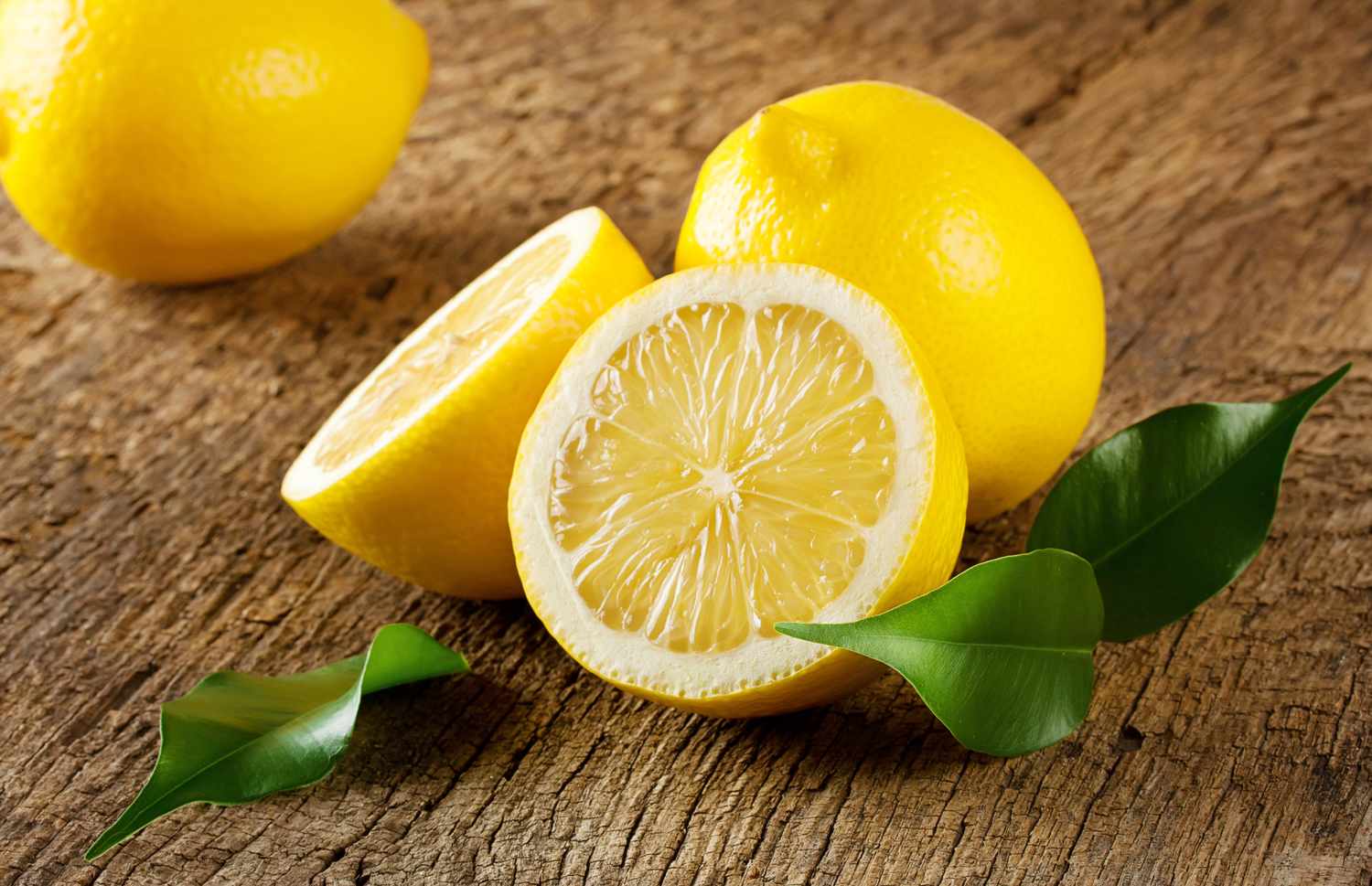
Lemons are rich in vitamin C, with one whole peeled lemon containing about 31 milligrams (mg), or 34% of the Daily Value (DV). Because the body requires vitamin C for skin health, immune system function, and more, it’s important to get enough of this essential nutrient.
1. Guava
Murilo Gualda / Getty Images
Vitamin C: 376 mg
Serving size: 1 cup
This tropical fruit is one of the top sources of vitamin C, containing more than 400% of the DV in a one-cup serving.
The high vitamin C content of guava, along with its resistant starches, can help boost immune function by encouraging the growth of healthy bacteria in the digestive tract. Vitamin C also supports:
2. Kiwi
Mizina / Getty Images
Vitamin C: 134 mg
Serving size: 1 cup
You’ll get almost 150% of the DV of vitamin C when you consume a cup of kiwi, a fruit known for its anti-inflammatory and disease-protective benefits. One study found that people with low vitamin C levels who consumed two kiwis daily experienced:
Less fatigueAbetter moodImproved well-being
Kiwis are also rich in fiber and other enzymes that can support digestive health and regulate bowel movements.
3. Mango
OlyaSolodenko / Getty Images
Vitamin C: 60 mg
Serving size: 1 cup
One cup of mango contains 136% of the DV for vitamin C. Mangoes are also abundant in other antioxidants like beta-carotene, which can support eye health.
Consider opting for the red variety (rather than yellow) if you’re seeking more potent antioxidant and anti-inflammatory benefits.
4. Papaya
DeeNida / Getty Images
Vitamin C: 88 mg
Serving size: 1 cup
Along with vitamin C (about 100% of the DV), papayas are rich in vitamins E, B, magnesium, and potassium. Some of the health benefits of papayas include:
Research suggests that the fruit’s vitamin C and other antioxidant properties can support heart health by regulating blood sugar and cholesterol levels, as well as offering anti-aging, anti-inflammatory, and wound-healing benefits.
5. Brussels Sprouts
worldofstock / Getty Images
Vitamin C: 75 mg
Serving size: 1 cup
Because it’s a vegetable, you may not think that Brussels sprouts contain more vitamin C than a lemon; however, a cup serving offers 83% of the DV of this vitamin.
This cruciferous vegetable also contains folate and other antioxidants that can help:
6. Oranges
bfk92 / Getty Images
Vitamin C: 96 mg
Serving size: 1 cup
It’s no secret that citrus fruits like oranges also offer abundant amounts of vitamin C. A one-cup serving of oranges provides 106% of the DV. Along with the vitamin C-linked immune system benefits, oranges also support hydration levels with their high water content.
7. Broccoli
Helen Camacaro / Getty Images
Vitamin C: 81 mg
Serving size: 1 cup
A cup of raw, chopped broccoli will give 90% of the DV of vitamin C. Because it’s a cruciferous veggie, broccoli also has heart-healthy benefits. It may help decrease the risk of developing certain types of cancer.
Tips for Incorporating More Vitamin C into Your Diet
The recommended intake of vitamin C depends on several factors, including sex and age. Though it’s considered to be rare for most adults in the United States to have a vitamin C deficiency, it’s still important to ensure you’re getting enough of this nutrient daily. Some tips that experts recommend include:
Aim to eat most vitamin C sources raw or fresh (like fruits and vegetables), as the vitamin C content in food can be diminished by heat from cooking and long-term storage.
Check product labels to see if packaged foods and beverages are fortified with vitamin C, which could help boost your daily intake.
Consider supplementing with vitamin C or a multivitamin if you think you may not be getting enough through your meals.
Note that vitamin C supplements can interfere with certain medications, so check with a healthcare provider first before adding them to your supplement regimen.
Verywell Health uses only high-quality sources, including peer-reviewed studies, to support the facts within our articles. Read our editorial process to learn more about how we fact-check and keep our content accurate, reliable, and trustworthy.
U.S. Department of Agriculture. Lemons, raw, without peel.
Singh N, Yarla NS, Siddiqi NJ, de Lourdes Pereira M, Sharma B. Features, pharmacological chemistry, molecular mechanism and health benefits of lemon. Med Chem. 2021;17(3):187-202. doi:10.1093/hr/uhad020
National Institutes of Health: Office of Dietary Supplements. Vitamin C – consumer.
U.S. Department of Agriculture. Guavas, common, raw.
Kembabazi S, Mutambuka M, Shukri R, Anwar F, Zawawi N. Unlocking the potential of resistant starches from underutilized tropical fruits as substrates for fermentation into short-chain fatty acids. J Funct Foods. 2025;124. doi:10.1016/j.jff.2024.106630
Parvez GM, Shakib U, Khokon M, Sanzia M. A short review on a nutritional fruit: Guava. Open Access: Toxicology and Research. 2018;1:1-8.
U.S. Department of Agriculture. Kiwi fruit, raw.
Conner TS, Fletcher BD, Haszard JJ, et al. Kiwic for vitality: Results of a randomized placebo-controlled trial testing the effects of kiwifruit or vitamin c tablets on vitality in adults with low vitamin c levels. Nutrients. 2020;12(9):2898. doi:10.3390/nu12092898
Richardson DP, Ansell J, Drummond LN. The nutritional and health attributes of kiwifruit: a review. Eur J Nutr. 2018;57:2659–2676. doi:10.1007/s00394-018-1627-z
U.S. Department of Agriculture. Mangos, raw.
Kim H, Castellon-Chicas MJ, Arbizu S, et al. Mango (Mangifera indica L.) polyphenols: Anti-inflammatoryintestinal mirobial health benefits, and associated mechanisms of actions. Molecules. 2021;26(9):2732. doi:10.3390/molecules26092732
U.S. Department of Agriculture. Papayas, raw.
Freedom From Diabetes. Top 10 health benefits of papaya.
Santana LF, Inada AC, Espirito Santo BLS, et al. Nutraceutical potential of carica papaya in metabolic syndrome. Nutrients. 2019;11(7):1608. doi:10.3390/nu11071608
Kong YR, Jong YX, Balakrishnan M, et al. Beneficial role of Carica papaya extracts and phytochemicals on oxidative stress and related diseases: A mini review. Biology (Basel). 2021;10(4):287. doi:10.3390/biology10040287
U.S. Department of Agriculture. Brussels sprouts, raw.
Ağagündüz D, Şahin TÖ, Yılmaz B, Ekenci KD, Duyar Özer Ş, Capasso R. Cruciferous vegetables and their bioactive metabolites: from prevention to novel therapies of colorectal cancer. Evid Based Complement Alternat Med. 2022;1534083. doi:10.1155/2022/1534083
U.S. Department of Agriculture. Oranges, raw, navels.
U.S. Department of Agriculture. Broccoli, raw.
Abobatta WF. The potential health benefits of vegetable crops. J Food Nutr Health. 2021;2(2). doi:10.47275/2692-5222-113

Mutchler is an award-winning journalist specializing in health and wellness content. She is based in Illinois.
Thanks for your feedback!
What is your feedback?
Helpful
Report an Error
Other