Key Takeaways
The U.S. may lose its measles elimination status in April due to a sharp rise in cases.U.S. measles vaccination rates have fallen well below the 95% coverage needed for strong herd immunity.Adults who are unsure of their vaccination status should discuss with their doctor about whether they need another MMR dose.
While the United States eliminated measles in 2000, this status is now at risk due to a significant recent increase in cases.
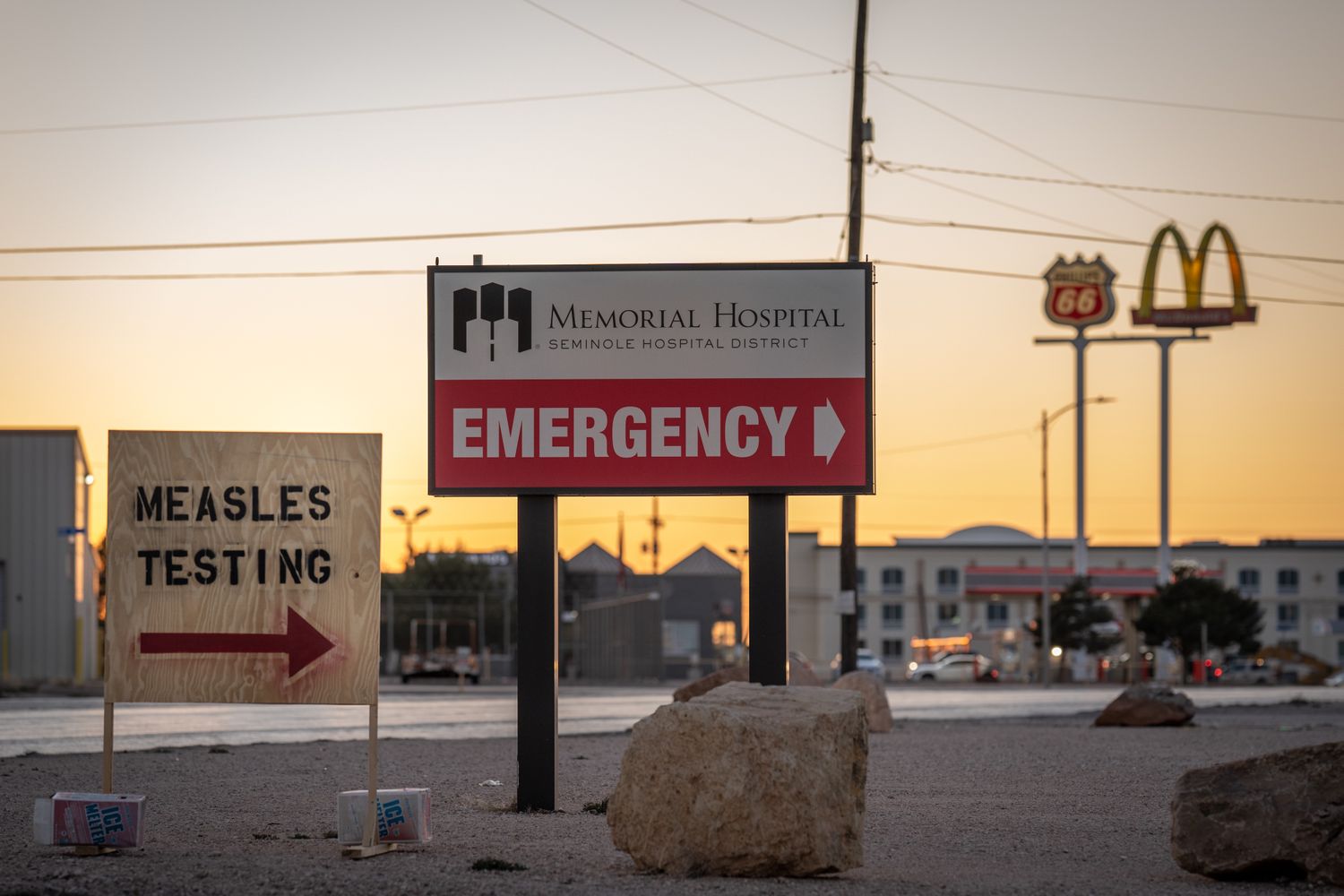
Measles elimination status is given to countries that have had no person-to-person transmission for at least 12 months. In the U.S., measles outbreaks have renewed since January 2025, and new cases are ongoing.
If the U.S. loses its measles elimination status, it would be “a very sad commentary on current public attitudes towards health,” said Aaron Glatt, MD, chief of infectious disease at Mount Sinai South Nassau Medical Center in Oceanside, NY. “This is a serious disease that can have very severe adverse outcomes, including death in children and adults, which are preventable.”
How Is Measles Elimination Maintained?
Measles elimination does not mean there are zero cases of the virus. However, a sustained lack of spread can only occur if at least 95% of people in a community are vaccinated. At that level, even people who are unvaccinated—because they are too young, immunocompromised, or choose not to get vaccinated—are protected through herd immunity. Herd immunity refers to the widespread protection created when enough people are vaccinated to prevent a virus from spreading.
Researchers at Johns Hopkins say “robust” herd immunity typically requires 95% coverage, with 90% considered the minimum threshold, below which the risk of outbreaks increases substantially.
Cases Rise as Vaccination Rates Fall
Measles vaccination rates have been dropping in the U.S., which is why measles cases are rising. The overall vaccination rate in the U.S. is just 64%, according to a survey of more than 20,000 parents conducted between 2023 and 2024.
In 2024, the U.S. reported 285 measles cases, according to the Centers for Disease Control and Prevention (CDC). That number rose to 2,280 cases in 2025, a surge linked to growing vaccine hesitancy. As of Feb. 12, the CDC has already reported 910 measles cases this year.
The Pan American Health Organization (PAHO) recently called on American countries to “intensify epidemiological surveillance, vaccination, and rapid outbreak response activities to interrupt transmission and protect vulnerable populations.”
The highest incidence of recent measles cases was among infants and children too young to be vaccinated or who had not gotten their full measles vaccine series, according to PAHO. The measles vaccine is given as a combination vaccine, together with protection against mumps and rubella, at 12 months and between ages 4 and 6.
Do Adults Need a Measles Booster?
According to the National Foundation for Infectious Diseases (NFID), most vaccinated adults are immune to measles and don’t need a booster.
People born before 1957 likely had measles or were exposed to it and developed lifelong immunity. But those vaccinated between 1963 and 1968 may have received a less effective measles vaccine and should discuss another dose with their doctor.
And, between 1963 and 1989, only a single dose of the MMR vaccine was given, which could leave some people unprotected.
Scott Roberts, MD, associate medical director for infection prevention at Yale New Haven Health, said people can check their vaccination records, get a blood test to measure antibody levels against measles, or simply discuss another MMR dose with their doctor.
“Anyone who had two doses of measles vaccine are not considered to be at risk,” said Roberts. “The best defense against measles is vaccination, and if you are not sure of your immunity or vaccination status, it is safe to get a measles vaccine.”
Roberts added that adults with partial protection may only experience milder illness if infected, but they could still transmit the virus to someone unprotected, such as an infant or an immunocompromised person, who may develop severe complications or die.
“I think it’s important for adults to do our fair share for herd immunity and make sure we’re all up to date on measles vaccination,” Roberts said. “If we get infected, we’re probably going to do okay, but the person we spread it to might not do okay.”
Private health insurance, Medicare, and Medicaid cover adult measles vaccination. Vaccines are available at pharmacies and healthcare providers’ offices. People without insurance can contact their local health department about free vaccination programs.
Verywell Health uses only high-quality sources, including peer-reviewed studies, to support the facts within our articles. Read our editorial process to learn more about how we fact-check and keep our content accurate, reliable, and trustworthy.
Kritz is a healthcare reporter with a focus on health policy. She is a former staff writer for U.S. News and World Report.
Thanks for your feedback!
What is your feedback?
Helpful
Report an Error
Other