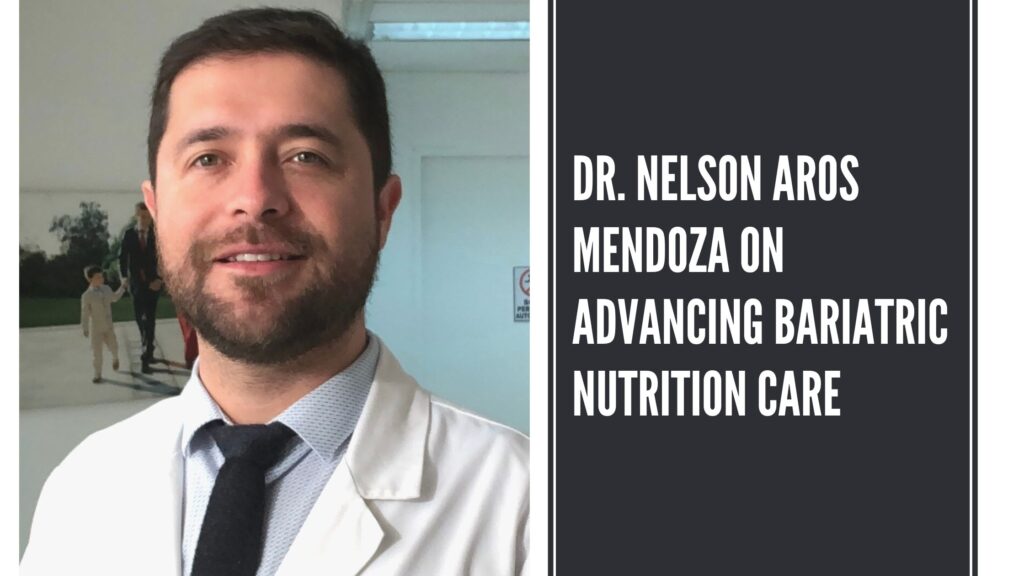
Bariatric surgery has evolved significantly over the past decade, but experts agree that surgical technique alone does not define long-term success. Nutritional care before and after surgery plays a decisive role in achieving sustainable weight loss and improving overall health outcomes. In this context, Dr. Nelson Aros Mendoza on Advancing Bariatric Nutrition Care highlights a patient-centered, evidence-based approach that is reshaping the way metabolic and bariatric treatment is delivered.
As a specialist in general, bariatric, and metabolic surgery, Dr. Nelson Aros Mendoza emphasizes that comprehensive nutritional planning is not a secondary step—it is a cornerstone of the entire process. His perspective reflects a growing consensus within modern bariatric medicine: long-term success depends on structured, individualized nutritional strategies integrated into surgical care.
The Growing Importance of Nutritional Care in Bariatric Surgery
Bariatric procedures such as gastric bypass and sleeve gastrectomy are powerful tools for managing obesity and metabolic disorders. However, these interventions alter the digestive system, affecting nutrient absorption, appetite regulation, and metabolic balance.
Without appropriate guidance, patients may face:
Vitamin and mineral deficiencies Muscle mass loss Gastrointestinal discomfort Suboptimal weight loss outcomes Weight regain over time
Dr. Nelson Aros Mendoza underscores that advancing bariatric nutrition care means proactively addressing these risks. According to his clinical approach, success begins well before the operating room and continues long after surgery.
A Structured Preoperative Nutritional Strategy
One of the key pillars in advancing bariatric nutrition care is comprehensive preoperative preparation. Rather than focusing solely on surgical readiness, Dr. Nelson Aros Mendoza advocates for a detailed nutritional evaluation that identifies potential deficiencies and establishes realistic expectations.
Key Elements of Preoperative Nutritional Assessment:
Complete metabolic and micronutrient screening Personalized dietary planning Education on portion control and food tolerance Behavioral counseling for long-term adherence
By initiating structured nutritional guidance before surgery, patients develop healthier habits that ease postoperative adaptation. This preparation also reduces complications and improves surgical recovery.
Dr. Nelson Aros Mendoza explains that informed patients are empowered patients. Understanding how their bodies will respond to anatomical changes allows them to actively participate in their own transformation.
Postoperative Nutrition: A Long-Term Commitment
Advancing bariatric nutrition care does not end after surgery. In fact, postoperative follow-up is where sustained success is built. The immediate post-surgical period requires gradual dietary progression, beginning with liquids and transitioning carefully to solid foods.
Dr. Nelson Aros Mendoza highlights the importance of close monitoring during this stage to ensure:
Adequate protein intake Proper hydration Safe supplementation Digestive tolerance
Over time, nutritional plans are adjusted to support weight stabilization and metabolic health. Routine follow-ups help detect deficiencies early and reinforce healthy behaviors.
This long-term commitment distinguishes comprehensive bariatric programs from isolated surgical interventions.
Multidisciplinary Collaboration in Nutritional Advancement
Another defining aspect of advancing bariatric nutrition care is teamwork. Dr. Nelson Aros Mendoza works closely with nutritionists, psychologists, and medical specialists to deliver coordinated care.
Benefits of a Multidisciplinary Approach:
Holistic patient evaluation Emotional and behavioral support Consistent dietary supervision Early identification of nutritional challenges
Such collaboration ensures that patients receive not only technical surgical expertise but also ongoing professional guidance tailored to their evolving needs.
By integrating nutrition professionals into every stage of treatment, outcomes become more predictable and sustainable.
Preventing Nutritional Deficiencies Through Education
Vitamin and mineral deficiencies remain one of the most common concerns after bariatric procedures. Iron, vitamin B12, calcium, and vitamin D deficiencies can develop if supplementation and monitoring are inadequate.
Dr. Nelson Aros Mendoza emphasizes prevention through patient education. Rather than reacting to complications, his approach focuses on:
Clear supplementation protocols Regular laboratory monitoring Continuous nutritional counseling Lifestyle reinforcement
Patients are taught to recognize early warning signs and maintain adherence to supplementation schedules. This proactive strategy significantly reduces long-term health risks.
Supporting Metabolic Health Beyond Weight Loss
Advancing bariatric nutrition care is not solely about reducing body weight. It is also about improving metabolic markers such as blood glucose, cholesterol levels, and blood pressure.
Dr. Nelson Aros Mendoza integrates nutritional strategies that promote:
Stable glycemic control Cardiovascular health Lean muscle preservation Sustainable energy balance
Protein-focused diets, balanced micronutrient intake, and structured meal planning contribute to maintaining muscle mass while reducing fat stores. This comprehensive focus enhances overall well-being and quality of life.
Patient-Centered Care as a Driving Principle
At the heart of Dr. Nelson Aros Mendoza’s philosophy is individualized treatment. Every patient’s medical history, lifestyle, and goals differ. Advancing bariatric nutrition care requires personalized adaptation rather than standardized solutions.
Core Principles of Patient-Centered Nutritional Care:
Individual dietary tolerance assessment Cultural and lifestyle considerations Continuous motivation and guidance Transparent communication
This tailored approach fosters trust and long-term adherence. Patients feel supported rather than restricted, which improves engagement and long-term results.
Advancing Techniques with Evidence-Based Practice
Modern bariatric care relies heavily on scientific research and evolving clinical guidelines. Dr. Nelson Aros Mendoza integrates the latest evidence into nutritional planning, ensuring that protocols align with international standards.
Ongoing participation in academic discussions and surgical societies allows him to refine strategies that enhance patient safety and optimize outcomes. Advancing bariatric nutrition care, in this sense, is a dynamic process rooted in continuous learning.
By combining surgical precision with nutritional innovation, comprehensive care models are redefining obesity treatment.
Looking Ahead: The Future of Bariatric Nutrition Care
The future of bariatric treatment lies in integration—where surgery, nutrition, psychology, and long-term follow-up work seamlessly together. As awareness grows about the complexity of obesity as a chronic disease, structured nutritional care will remain central to successful intervention.
Dr. Nelson Aros Mendoza believes that advancing bariatric nutrition care requires ongoing commitment, patient education, and professional collaboration. When these elements align, patients experience not only significant weight loss but also improved metabolic health, greater confidence, and enhanced quality of life.
Conclusion
Dr. Nelson Aros Mendoza on Advancing Bariatric Nutrition Care reflects a forward-thinking vision in modern metabolic surgery. By prioritizing structured preoperative preparation, long-term postoperative monitoring, multidisciplinary collaboration, and patient-centered strategies, he reinforces the critical role nutrition plays in bariatric success.
As the field continues to evolve, comprehensive nutritional support will remain a defining factor in achieving sustainable, safe, and transformative outcomes. Through evidence-based practice and compassionate care, bariatric nutrition is no longer an accessory to surgery—it is a vital component of lasting health improvement.