Vitamin Supplements Explained: Benefits, Myths & Facts | Image:
Initiative Desk
Walk into any pharmacy or scroll through an online marketplace, and vitamin supplements are impossible to miss. Small bottles promise energy, immunity, better skin, or stronger bones. For some people, they are part of a daily routine. For others, they raise questions. Do we really need them? Are they helpful, or just another health trend?
Doctors say vitamins are essential nutrients the body needs to function properly. They support everything from nerve health and immunity to bone strength and metabolism. Ideally, these nutrients should come from a balanced diet. But modern lifestyles often make that difficult. Irregular meals, processed food, stress, and long indoor hours can slowly create gaps that a single food may not fill.
This is where multivitamins enter the conversation. Multivitamins bundle several essential nutrients into one tablet or capsule, making it simpler for people to cover their daily needs when diets are inconsistent. Rather than focusing on single vitamins, many consumers now look for multivitamins tailored to life stage or need for example, formulations made specifically for men, women, or older adults. These specialised multivitamins adjust levels of key nutrients such as iron, B vitamins, calcium, and vitamin D to better match typical needs for each group. Nutritionists note that people often find multivitamins a practical first step when they suspect multiple small gaps in their diet.
Despite their widespread use, multivitamins are surrounded by myths. One common belief is that taking very high doses will deliver faster or better results. Health experts strongly disagree. “More is not better when it comes to vitamins,” says a Delhi-based physician. “Some vitamins, especially fat-soluble ones, can cause problems if taken in excess over time.”
Another myth is that supplements work instantly. In reality, multivitamins support long-term health. Their benefits are gradual and depend on consistency. People often stop taking them too early, expecting visible changes within days. Doctors say most supplements need weeks, sometimes months, to show real impact.
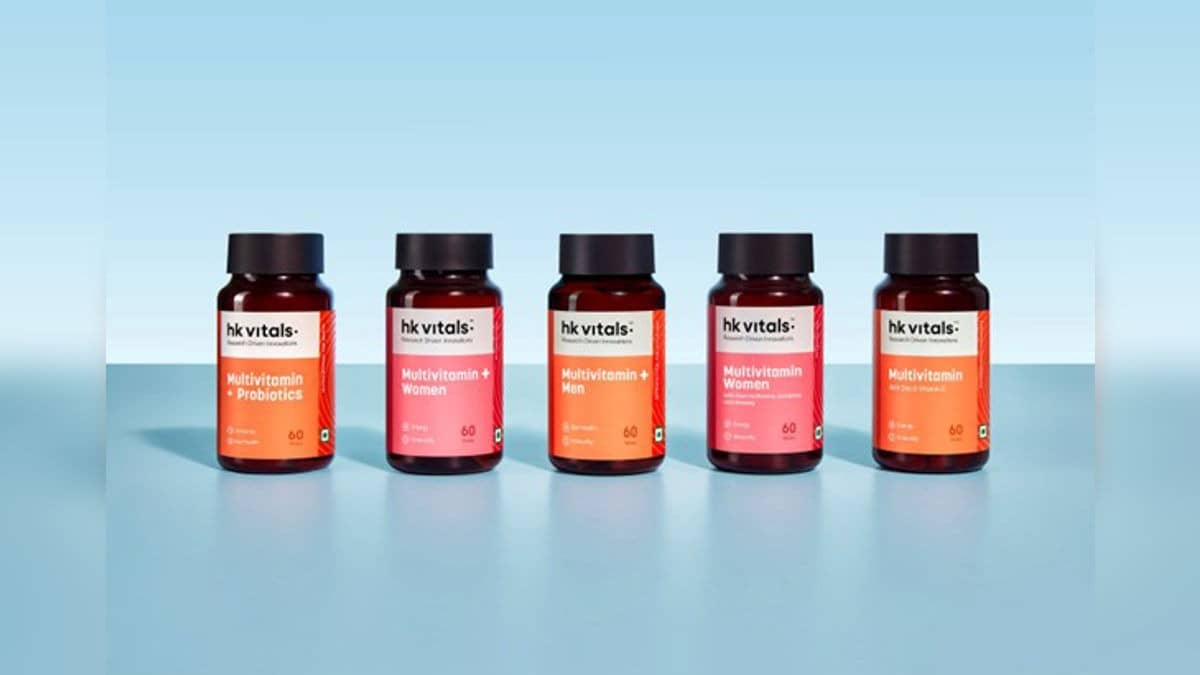
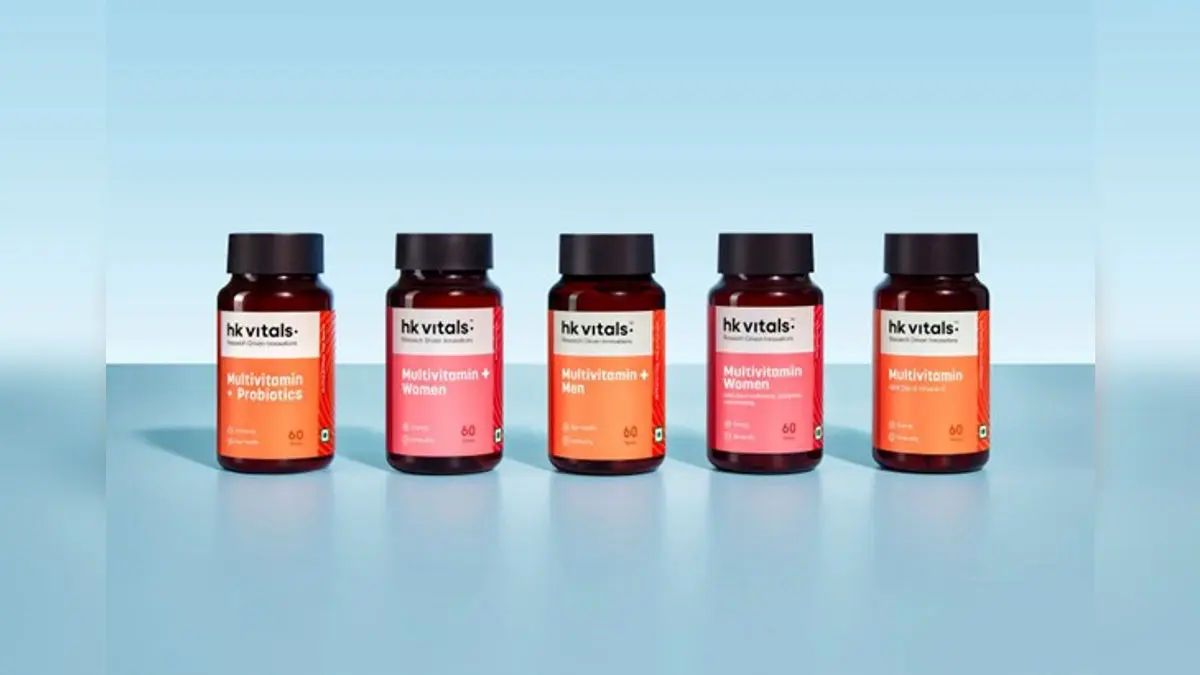
As awareness grows, consumers are becoming more careful about what they choose. Clear labelling, correct dosage, and trusted sourcing matter more than flashy claims. Indian wellness brands have responded to this shift by offering multivitamin lines that make choices simpler for different groups. HK Vitals, for instance, offers a daily multivitamin as well as specialised formulations marketed for men, women and seniors, each designed around recommended intake levels rather than excessive dosing. The aim is to help users pick a product that fits their age, sex, and lifestyle rather than a one-size-fits-all solution.
These products are commonly used by people who have busy schedules and inconsistent meals. Office-goers, students, and older adults often turn to basic multivitamins to support energy levels and immunity. Nutritionists note that such supplements work best when paired with small lifestyle changes, like regular meals, hydration, and adequate sleep.
Another important fact often overlooked is that not everyone needs the same multivitamin. Age, diet, lifestyle, and existing health conditions all play a role. This is why doctors advise blood tests before starting long-term supplementation, especially for nutrients like iron or vitamin D. “Supplements should be personalised, not random,” says a Mumbai-based nutrition consultant.
The growing focus on label reading is also a positive sign. Consumers are learning to check ingredient lists, daily values, and usage instructions. Brands that provide transparent information are often preferred by first-time users who want to understand what they are taking and why.
In the end, multivitamins are neither magic solutions nor unnecessary extras. They are tools. Used correctly and chosen with attention to individual needs such as age and sex, they can support health and prevent deficiencies. Used carelessly, they can create new problems. As more people move toward informed choices, the conversation around multivitamins is becoming less about promises and more about balance, knowledge, and long-term wellbeing.