Magda Tymczyj / Getty Images
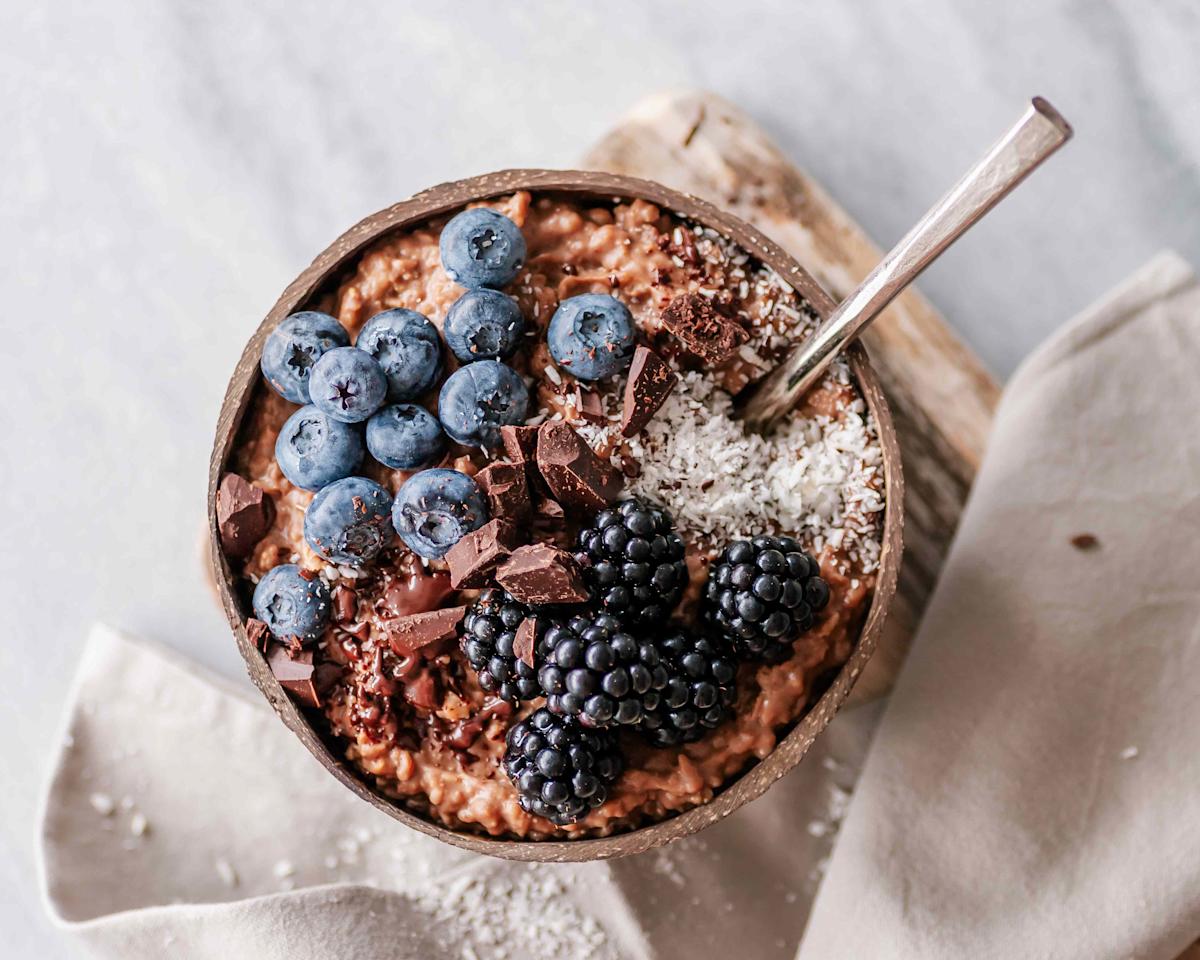
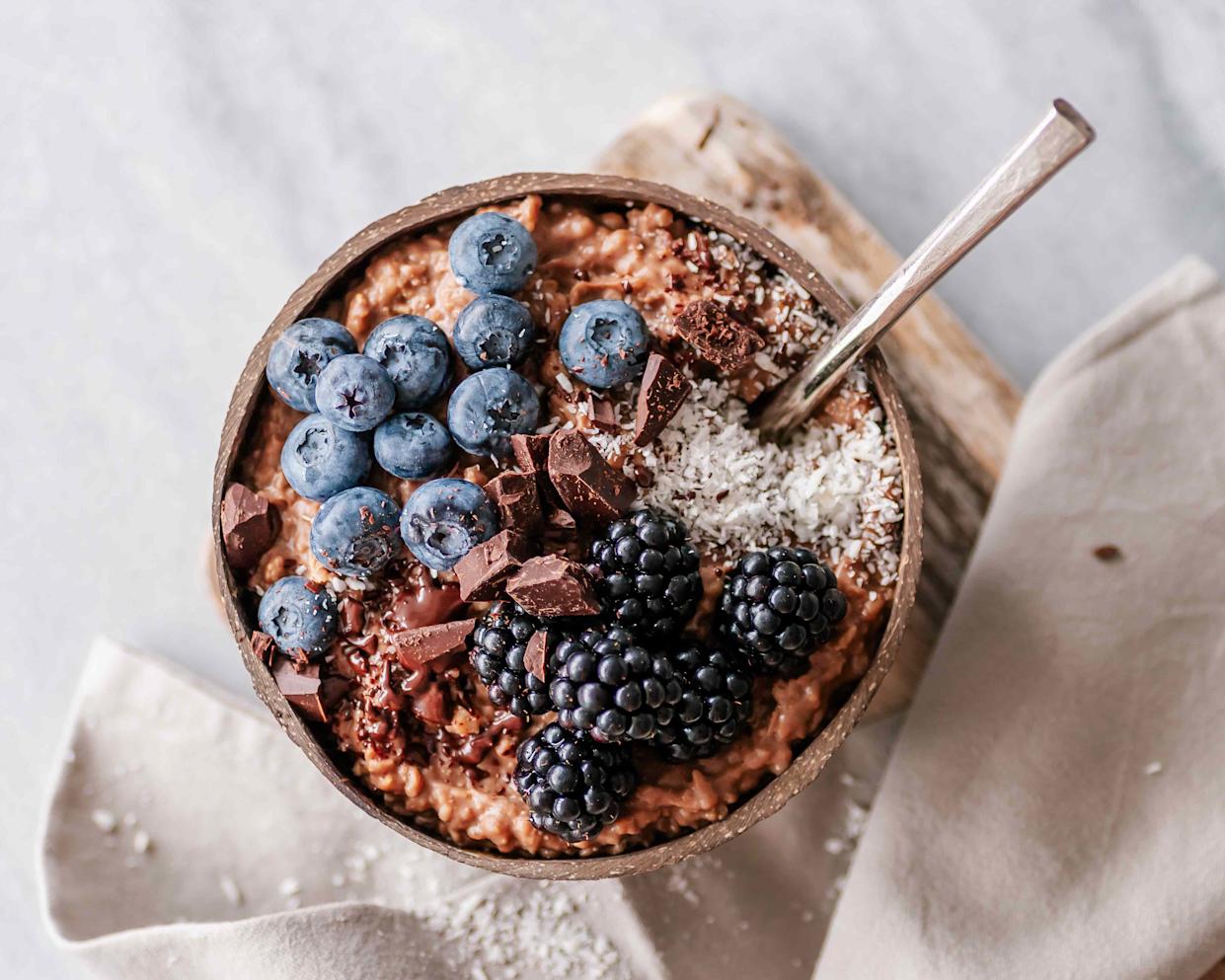
Scroll through TikTok, Instagram, or a wellness newsletter right now, and you’re likely to come across the term fibermaxxing. Often paired with photos of seeded toast, fruit-topped yogurt, or colorful grain bowls layered with vegetables, it may seem like just the latest in a long line of food buzzwords. Prioritizing fiber, however, is less about trends and more about a return to nutrition basics. One that, when done right, can be a sustainable approach to eating healthy.
Meet Our Expert
Julie Stefanski, MEd, RDN, LDN, FAND, registered dietitian and spokesperson for the Academy of Nutrition and Dietetics
Related: 12 Easy Ways to Eat More Fiber, According to Dietitians
What Is Fibermaxxing?
Fibermaxxing means intentionally choosing foods that are high in fiber throughout the day. Rather than counting calories or eliminating foods, the goal is to include fiber at meals and snacks whenever possible. That flexibility is part of what makes the trend feel more achievable than many wellness fads. There’s no rigid rulebook and no pressure to overhaul your eating overnight. Whole foods such as fruits, vegetables, whole grains, beans, nuts, and seeds are the foundation of fibermaxxing.
Why Fiber Is Suddenly Trending
The renewed interest in fiber is likely closely tied to broader conversations about health and weight loss, as GLP-1 medications continue to grow in popularity.
“I think it’s tied into the importance of gut health and the increased use of GLP-1 medications, which can cause gastrointestinal symptoms such as constipation and nausea,” says Julia Zumpano, registered dietitian with the Cleveland Clinic.
As people pay more attention to how food affects digestion, energy, and appetite, they are more aware of fiber’s role in digestive comfort. Social media has helped amplify these conversations, reframing fiber as something proactive rather than corrective, and reminding many people that they’re not getting enough.
“For decades, nutrition data has shown that Americans aren’t eating enough plant foods that provide fiber. While viral health trends come and go, this one is worth adopting and sticking to,” says Julie Stefanski, spokesperson for the Academy of Nutrition and Dietetics.
What Fiber Actually Does in the Body
Most of us have some idea that fiber supports digestion, but its benefits go beyond keeping things regular. “Fiber expands in your stomach, making you feel fuller faster and for longer,” Zumpano explains. “It also slows the rate at which glucose enters your bloodstream, leading to better-managed blood sugars with fewer spikes and drops.”
That steadier blood sugar response can support appetite control and sustained energy. Fiber also feeds beneficial gut bacteria, helping them grow and thrive—an essential part of a healthy microbiome. Soluble fiber, in particular, Zumpano says, binds to bile made from cholesterol, promoting its excretion and supporting heart health.
What Fibermaxxing Looks Like in Real Life
One of the biggest misconceptions about adding more fiber is that it requires dramatic changes, such as eating a plateful of vegetables at every meal. The reality can be much simpler and easier to accomplish.
“The first place to start is to choose foods that haven’t been processed significantly,” Stefanski says. It might mean swapping white toast for whole-grain bread, adding berries or seeds to breakfast, or choosing legumes or vegetables as a side dish instead of refined starches. Fibermaxxing tries to include fiber-rich food with every meal and snack.
“Start with fiber-rich foods that you enjoy and your body tolerates well, such as bananas, avocados, and oats,” says Zumpano. Then build in higher fiber foods like chia seeds or ground flaxseeds.” Small, repeatable changes add up over time, especially when they build on foods you already enjoy.
Add These Foods to Your Rotation
Many of the foods driving the fibermaxxing trend are familiar and accessible. Fruits and vegetables such as bananas, apples, berries, carrots, and leafy greens are easy entry points, and whole grains like oats, brown rice, and whole-wheat pasta feel flexible and family-friendly.
Remember that while fiber is found in plant-based foods, you do not need to eat a vegetarian diet; vegetables are only one source of fiber. “Legumes such as chickpeas, black beans, and lentils are some of the best natural sources of dietary fiber,” Stefanski says. “Utilizing a canned bean or hummus and adding it gradually to the diet is a good way to increase fiber. After rinsing, canned beans can be added to salads, soups, rice, or pasta in only a few short steps.
Nuts, seeds, and pantry staples like chia and ground flax are other ways to add fiber without requiring major changes to meals.
“When eating typical food choices, thinking about what can be added to enhance fiber intake is an easy way to start,” Stefanski says. “Topping a meal with more vegetables, adding berries to your cottage cheese, or pairing your cheese on a charcuterie board with dried fruit or nuts can boost fiber in meals and snacks that you’re already choosing. It’s important to have some high fiber options on hand to make the fiber pairing happen between your normal choices and the high fiber additions.”
Is Fibermaxxing for Everyone?
While fiber is beneficial for most people, increasing intake too quickly can backfire. “If you’re new to prioritizing fiber, start slowly,” Zumpano says. “Increase fiber by about three to five grams per day, working toward a target of roughly 25 to 35 grams daily.”
Hydration also matters, since fiber works best when paired with adequate fluids. “As fiber is increased, water should be increased too. Fiber won’t work and can cause constipation if not accompanied by adequate fluid,” Stefanski says.
Those with digestive conditions should be especially cautious. “If you have GI issues such as IBS, diverticulitis, Crohn’s disease, ulcerative colitis, reflux, or chronic constipation or diarrhea, increase fiber very slowly and stick with foods you know your body tolerates,” Zumpano says.
Fiber needs can vary widely, and what works for one person may not work for another, making it important to find the right level for your body, ideally with guidance from a healthcare provider.
“Excessive amounts of fiber can cause bloating, gas, and even intestinal pain depending on how your body digests the fiber,” Stefanski adds. “Large amounts of fiber can also cause constipation or diarrhea. If side effects occur, it’s important to reassess the amount that’s best for you. “
Is the Trend Here to Stay?
Buzzy food trends come and go, and while it’s too soon to tell whether that will be the case for fibermaxing, our experts say adding more fiber to your diet aligns with long-standing nutrition advice.
Read the original article on Martha Stewart