Vitamin D plays a key role in helping your body absorb calcium. Without enough vitamin D, you may lose bone density and develop osteoporosis, or brittle bones.
Research suggests women are more likely than men to have low vitamin D levels. To understand why, we asked Natalie So, PharmD, a clinical supervisor of pharmacy services at MedStar Georgetown University Hospital, to explain what this means for women’s health.
*This interview has been edited and condensed for clarity.
Q: Why are women more susceptible to vitamin D deficiencies?
So: There are a few reasons why women tend to have higher rates of vitamin D deficiency.
One factor is hormonal fluctuations. Women typically have more estrogen in their bodies, and this hormone plays an important role in vitamin D metabolism. Estrogen activates an enzyme that converts vitamin D into an active form that our bodies can use.
Menopausal and postmenopausal women are more vulnerable to having a vitamin D deficiency because estrogen levels decline during menopause. This contributes to reduced vitamin D activation, lower vitamin D levels, decreased calcium absorption, and bone loss.
Vitamin D requirements may also go up during pregnancy and while breastfeeding to meet increased maternal calcium needs and support fetal skeletal development.
Women tend to have higher rates of conditions linked to vitamin D deficiency, like osteoporosis. Women naturally have lower bone density than men and lose bone faster with age, which increases the need for vitamin D to support calcium absorption.
Vitamin D is a fat-soluble vitamin, and women naturally have a higher body fat percentage than men. People with higher body fat percentages store more vitamin D in fat tissues, reducing its availability in the bloodstream.
Women may also spend more time indoors due to occupational or caregiving roles, use more sunscreen, or wear clothing like long dresses, which reduce UV exposure and lead to lower vitamin D production.
Q: Should we proactively get screened for vitamin D levels then?
So: Women should feel comfortable advocating for themselves about getting their vitamin D levels checked.
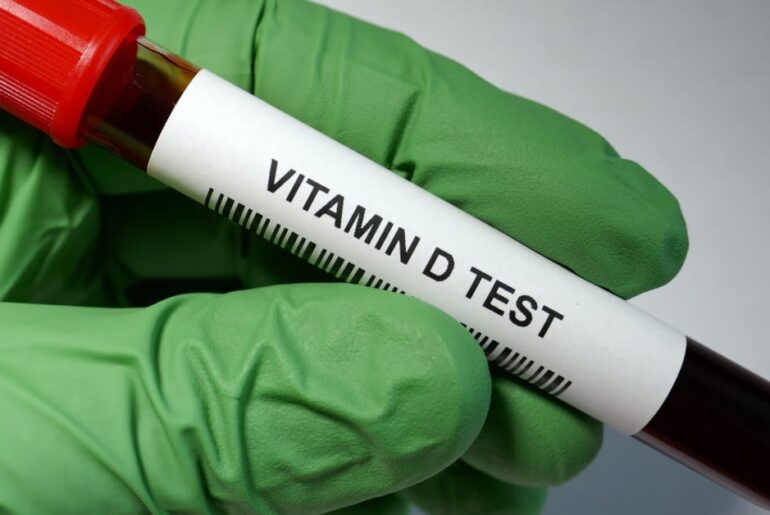
Vitamin D is not normally included in a standard blood test. Since women are more prone to having a vitamin D deficiency, it’s a good idea to talk with your healthcare provider about getting your levels checked.
Q: How can we make sure we’re getting enough vitamin D?
So: Going outside and getting sunlight can help you start meeting your vitamin D needs. Our skin makes vitamin D when exposed to UV rays, so that helps increase production.
We can get some vitamin D from food sources. However, only a few foods, like egg yolks, fish, and livers, naturally contain vitamin D. Foods fortified with vitamin D, like milk and yogurt, can help meet your needs.
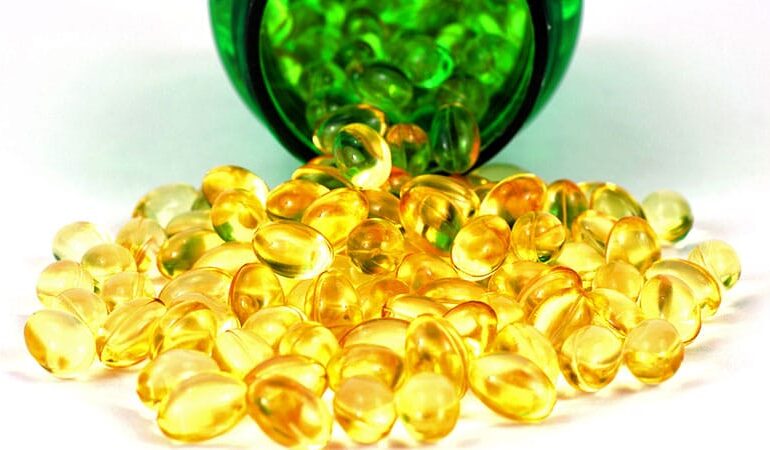
The third way to get vitamin D is through supplements. Since vitamin D supplements are fat-soluble, consuming them with a meal or snack may enhance absorption.
When thinking about supplements, keep in mind that different age groups have different vitamin D requirements. Generally, people between the ages of 1 and 70 need 600 international units (IU), and people over 71 need 800 IU per day.
Verywell Health uses only high-quality sources, including peer-reviewed studies, to support the facts within our articles. Read our editorial process to learn more about how we fact-check and keep our content accurate, reliable, and trustworthy.
National Institutes of Health. Vitamin D.
MedlinePlus. Osteoporosis.
Cui A, Zhang T, Xiao P, Fan Z, Wang H, Zhuang Y. Global and regional prevalence of vitamin D deficiency in population-based studies from 2000 to 2022: a pooled analysis of 7.9 million participants. Front Nutr. 2023;10:1070808. doi:10.3389/fnut.2023.1070808
Mei Z, Hu H, Zou Y, Li D. The role of vitamin D in menopausal women’s health. Front Physiol. 2023;14:1211896. doi:10.3389/fphys.2023.1211896
Alswat KA. Gender disparities in osteoporosis. J Clin Med Res. 2017;9(5):382-387. doi:10.14740/jocmr2970w
Vranić L, Mikolašević I, Milić S. Vitamin D deficiency: consequence or cause of obesity? Medicina (Kaunas). 2019;55(9):541. doi:10.3390/medicina55090541
MedlinePlus. Comprehensive metabolic panel (CMP).
MedlinePlus. Vitamin D deficiency.

Brown is a nutrition writer who received her Didactic Program in Dietetics certification from the University of Tennessee at Knoxville. Previously, she worked as a nutrition educator and culinary instructor in New York City.
Thanks for your feedback!
What is your feedback?
Helpful
Report an Error
Other