Beauty standards have always come with a price. Some eras wanted pale skin, some wanted tiny waists, some wanted eyes that looked permanently “wow.” Plenty of it came with a side of real medical consequences.
Before anyone gets smug about modern skincare, history has receipts. People swallowed poisons, painted them on their faces, and strapped themselves into contraptions because the look of the moment demanded commitment.
Here are some of the wildest beauty trends from the past that are straight-up dangerous.
1. Lead Face Paint for a Porcelain Complexion
A pale complexion was seen as a sign of wealth in Europe, so some people went all-in on lead-based face paint, including Venetian ceruse. It gave users that opaque, uniform finish that looked expensive in portraits and candlelight, like you never worked a day in the fields. Over time, that could mean skin damage, hair loss, neurological problems, and the slow grind of chronic poisoning.
2. ‘Safe’ Arsenic Complexion Wafers
Yep, people ate arsenic for their skin. The National Museum of American History has Dr. Campbell’s “Safe Arsenic Complexion Wafers,” marketed as “ABSOLUTELY SAFE AND HARMLESS,” which is a sentence that aged terribly. Arsenic poisoning can cause vomiting, diarrhea, and far worse.
3. Belladonna Eye Drops for Bigger Pupils
If you wanted bigger pupils in parts of Renaissance Europe, belladonna was one option. It’s derived from deadly nightshade, and it can dilate pupils, giving you that “doe-eyed” look. The problem is, belladonna could cause blurred vision or even blindness.
4. Radioactive Face Cream
In the early 20th century, Tho-Radia sold cosmetics made with radium and thorium, because the era had a crush on radiation. The ORAU Museum of Radiation and Radioactivity documents the brand and its radioactive ingredient list, and the U.S. Nuclear Regulatory Commission even catalogs Tho-Radia in its historical items report.
5. Mercury in Skin Products
Some vintage “skin brightening” formulas leaned on mercury compounds, because nothing says glow like a neurotoxin. Researchers who study historical cosmetics have documented mercury turning up in beauty products, right alongside a long list of side effects like skin rashes, kidney damage, tremors, and mood changes.
6. Tight-Lacing Corsets
An hourglass shape with a teeny tiny waist was the Victorian flex, and insanely tight corsets were the tool. The tighter the laces, the more the torso was squeezed, which could make deep breaths harder, put constant pressure on organs, and, after years, reshape the ribcage. It’s hard to call that “beauty” without wincing.
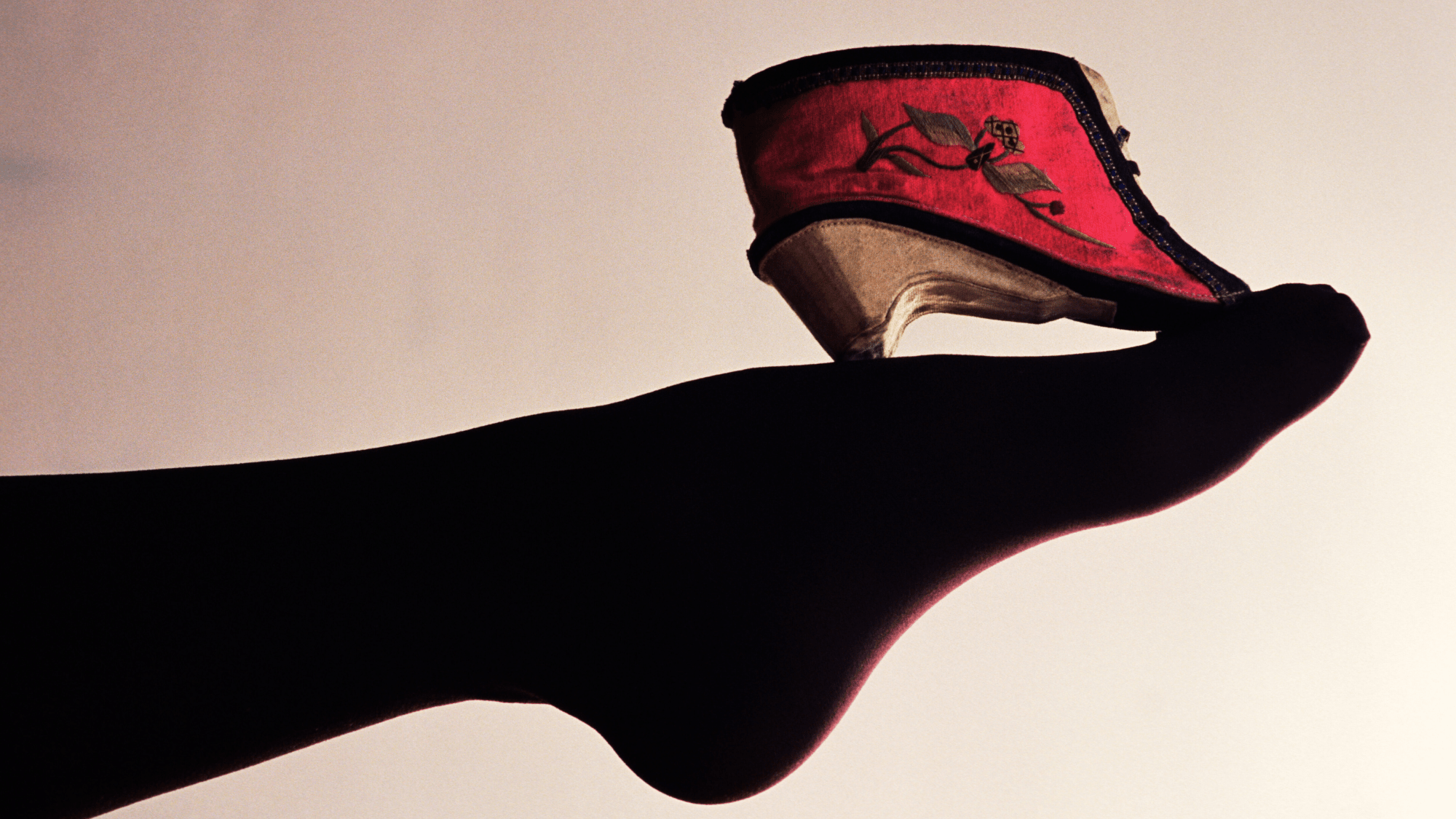
For centuries in China, footbinding reshaped girls’ feet to fit a beauty ideal tied to status and marriage prospects. The process started young, with feet wrapped tightly to force a smaller shape, which meant broken bones, lasting pain, and limited mobility for many women.
8. Crinolines Near Open Flames
Crinolines were those hoop skirt understructures that made Victorian dresses balloon out into a wide bell shape. In the candle-and-fireplace era, that meant fabric brushing flames, plus limited mobility when things went wrong. The V&A notes serious accidents tied to crinolines and flammable clothing.
It’s easy to say, “people were stupid back then.” But it’s people doing what people do when status, beauty, and social survival get tangled together. The main difference now is packaging, not human nature.