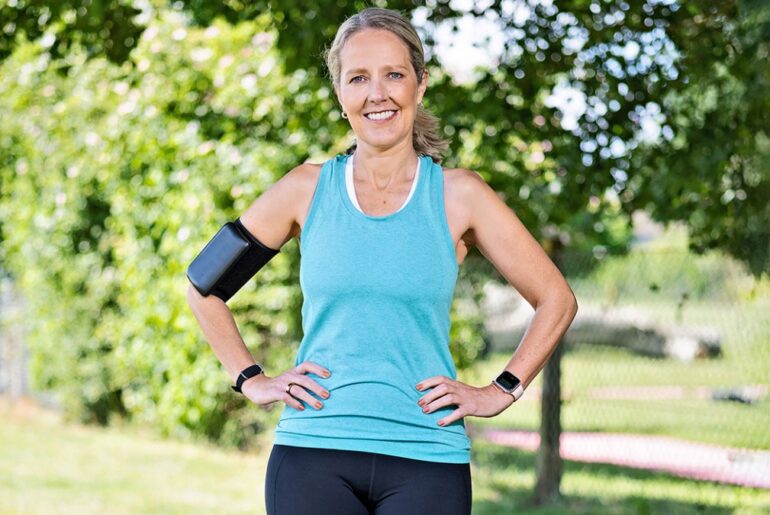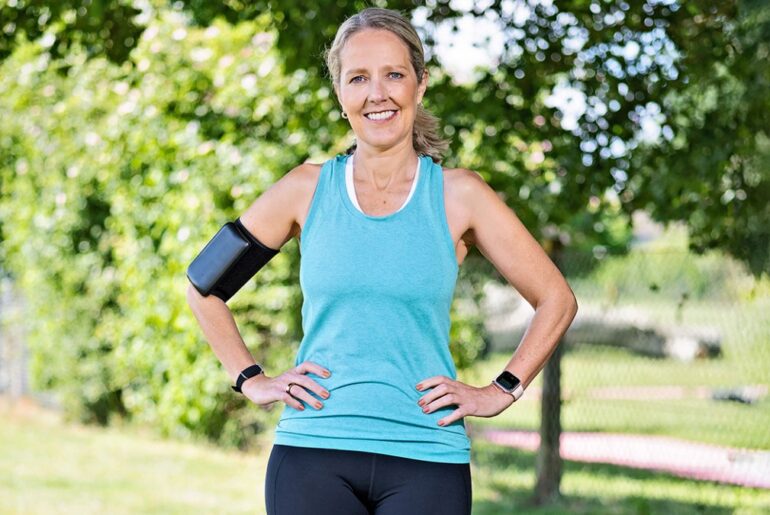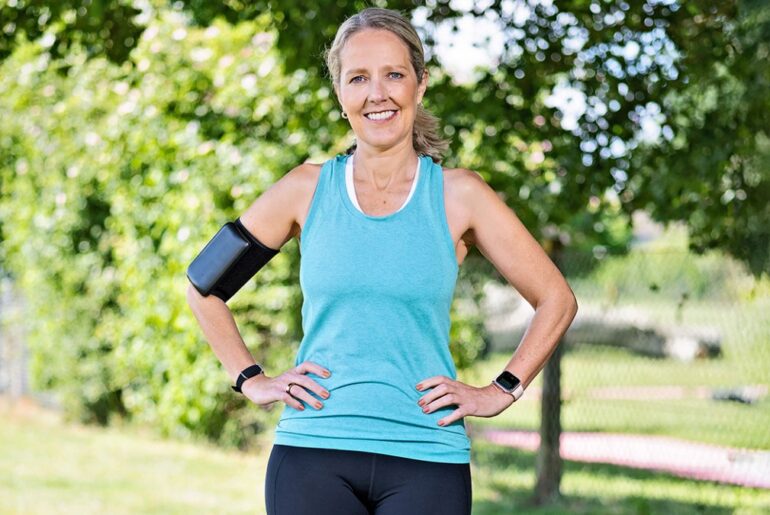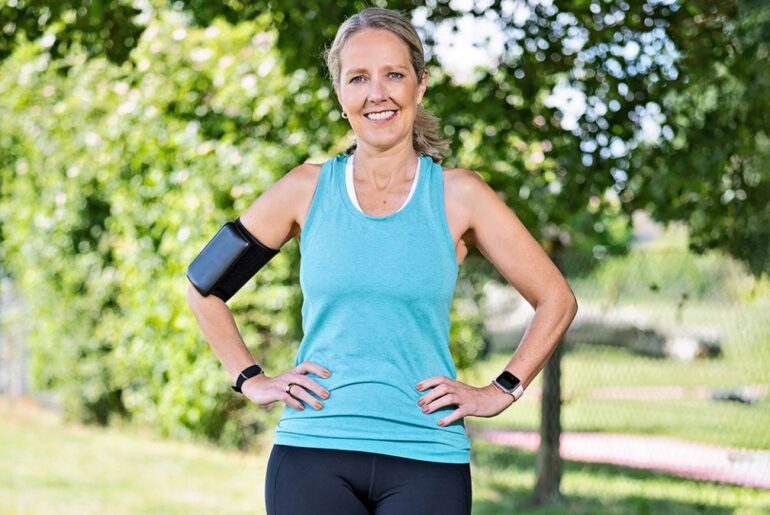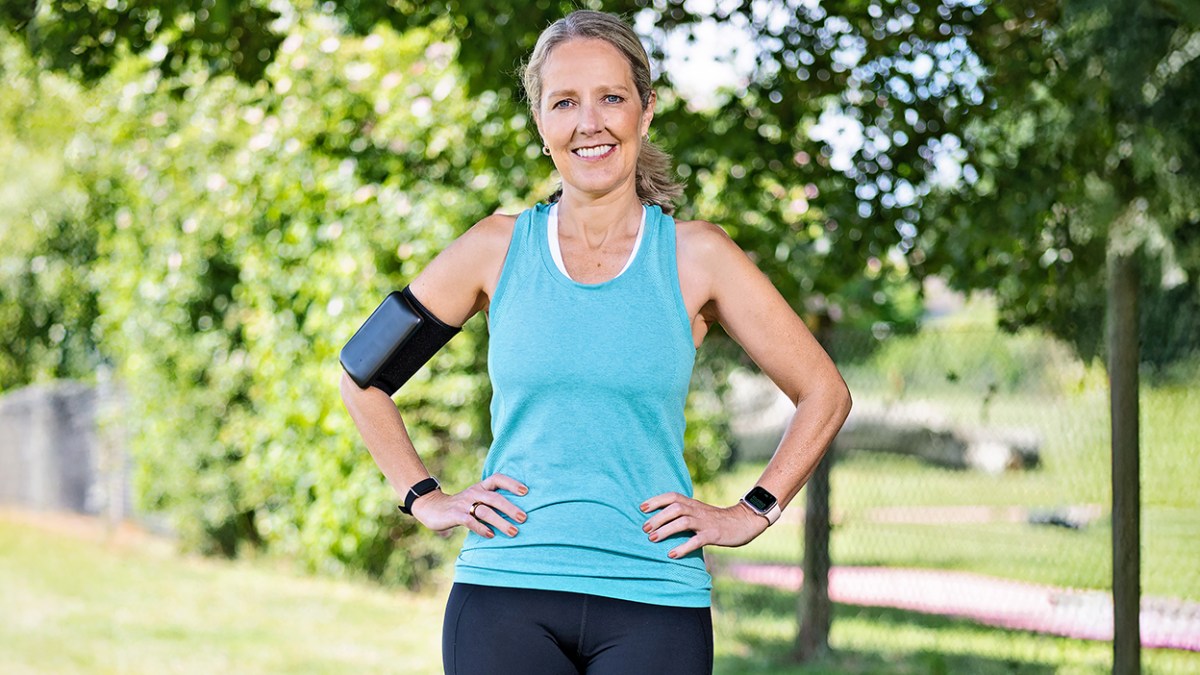
Dr Juliet McGrattan took up running at 35 after having three children in fairly quick succession. She hated her first run — “I went too far and too fast,” she says — but stuck at it and now, almost two decades later, considers it among the most potent lifestyle therapies around for women’s wellbeing and riding the tide of the menopause.
As a former GP who worked in an NHS surgery for 16 years, McGrattan has witnessed how running has helped many patients — herself included — to navigate the hormonal turmoil of the perimenopause onwards. So convinced is she of its benefits that her latest book, The Runner’s Guide to Menopause, outlines how and why the activity can be transformative. “I’m passionate about the power of running for women and I’ve witnessed it change lives,” she says. “Women generally become less active when menopause hits, yet it’s a time when we need the power of running more than ever.”
I can vouch for that. I am a lifelong runner (now a coach), and when I entered the perimenopause a decade ago my instinct told me not to stop. I had run my way through good times, bad times, through period pain and pregnancy, so why not through the menopause? For me it proved a constant that buoyed my mood and maintained my sanity. While I can’t say that running is the only reason I sailed relatively unscathed (compared with my mother and friends) through the worst of the hormonal chaos, I firmly believe that this — along with weights and Pilates — helped to keep hot flushes and night sweats at bay.

Juliet McGrattan: “I’ve witnessed running change lives”
GINNY KOPPENHOL
Full disclosure: running through the menopause is not always easy. According to the British Menopause Society, 75 per cent of women are affected by symptoms including insomnia, mood changes, brain fog, vaginal dryness, joint pain and more. For 25 per cent of those, the symptoms are severe, making any form of physical activity feel like an impossible barrier. Many friends have rolled their eyes in despair when I told them about my theory that running helped me through. “Every woman’s experience is different,” McGrattan says. “For some, symptoms are minimal and life isn’t disrupted much at all. For others, just getting through each day is a real challenge and running can feel out of the question.”
• Read more expert advice on healthy living, fitness and wellbeing
If you are plagued with a lack of energy, sore and swollen breasts, plunging libido and bloating, a run may be the last thing on your mind. But while it won’t erase all menopause symptoms, it might help ease some of them. “From improving your sleep to easing joint pain, potentially reducing hot flushes and helping control fatigue, running is a gift during menopause,” McGrattan says. There were days when mood swings, lethargy and achy joints made getting out of the door a challenge for me and slowed my running to a serious plod. Yet the power of rhythmical movement — the steady, repetitive, calming footfall of running — has been likened to the effects of meditation, and fresh air meant I always felt better when I returned.
It’s perhaps no coincidence that running is booming in popularity among women of middle age and older. In the latest Sport England: Active Lives survey, published last year, there was a continued upward trend in the activity levels of those aged 55-plus, with women found to be driving a resurgence in running. The report showed that about 250,000 more women of all ages ran regularly compared with 12 months previously, whereas there was no change for men. It is also estimated that the number of female runners aged 50 and older finishing the London marathon has risen by 65 per cent since 2018. You don’t need to be running very far or very fast to reap the benefits. McGrattan says that for many reasons it is worth breaking from a walk into even the slowest trot. “I firmly believe that running is a powerful medicine and, for many, most definitely worth it,” she adds. Here’s what you need to know.
Just ten minutes will boost your mood
Any form of activity can help you cope with the mood swings and anxiety that are common during menopause, but running has the edge for many. A recent review of 63 papers in the British Journal of Sports Medicine by researchers at James Cook University compared the effects of different types of exercise on mood and concluded that aerobic activities such as walking and running were best at reducing both depression and anxiety symptoms. You don’t have to be fast — a single bout of running, even at a slow pace for just ten minutes, brings improved mood and brain function, according to a 2024 study from the University of Tsukuba in Japan. “The boost in mood, the calmness and the general reset that a run gives is a bonus on any day,” McGrattan says. “But when we’re navigating change and challenge it’s essential.”
• Midlife running guide: boost your performance, save your knees
Running might mean fewer hot flushes
Menopausal symptoms are something of a lottery. If you are unfortunate enough to be plagued with hot flushes, then regular sustained, longer-duration exercise such as running could help. “There’s growing evidence that exercise, running included, can reduce the frequency and intensity of hot flushes, particularly if you’re improving your fitness,” McGrattan says. “When you become fitter, you improve your body’s ability to regulate its temperature, and boost brain and skin circulation, which make your body more efficient at losing heat.” Do warm up gently and thoroughly to gradually increase your body temperature rather than sprinting from the front door. “In some cases women have reported a worsening of hot flushes with exercise, particularly sudden bursts of high-intensity exercise,” McGrattan says. “So start gently.”
Your microbiome becomes less diverse in menopause but running can boost gut health
Precisely how the menopause affects the gut microbiome, the vast ecosystem of bacteria, fungi and yeasts that inhabit our intestines, isn’t fully understood. Current scientific thinking is that while high levels of circulating oestrogen and progesterone help maintain a diverse range of gut microbes, when these hormones plummet during the post-menopausal years, the microbiome of women becomes less diverse and more closely resembles that of men. But running can support a healthy gut microbiome. “Studies have shown that moderate to high-intensity exercise such as running has the biggest impact on micro-organism diversity and abundance, more so than resistance exercise,” McGrattan says. “The most consistent changes were seen in people who did moderate to high-intensity, but especially high-intensity, aerobic exercise for more than 30 minutes, three or more times a week, for more than eight weeks.” Not only can exercise increase the “good bacteria”, it can reduce the “bad bacteria” too. This is undoubtedly one of the most powerful ways that running improves long-term health.
It’s a high-impact exercise — it will make your bones stronger
We hit peak bone mass at about the age of 35, after which there is a slow but steady decline until the menopause, when the loss of bone-protective oestrogen speeds up bone loss and raises the risk of the bone-thinning condition osteoporosis. At any time of life bones need to be stressed in a positive way to reinforce and strengthen them, a process called “bone remodelling”. Weight-bearing exercise, in which bones are loaded with force, is essential as it enables bone-forming cells, called osteoblasts, to work faster than osteoclasts, the cells that break down bone. “Running is an ideal way to do this, because it’s a high-impact activity,” McGrattan explains. “Every time your foot hits the ground, it sends a jolt or shudder through your bones, which triggers the osteoblasts to get to work.” What if you already have a diagnosis of osteoporosis? “In most cases it’s OK to keep running, although you should speak to a medical professional first,” McGrattan says. “It’s very individual — for some people with advanced spinal disease or lots of low-trauma fractures, the risks of running will outweigh the benefits.”
Joint and muscle pain are some of the most common symptoms — running can help
A new review from McMaster University found that up to 65 per cent of women around the world suffer from joint and muscle pain in the perimenopause, making it the most common symptom experienced by women globally. There is even a new medical term, “musculoskeletal syndrome of menopause”, to reflect the growing number of women experiencing these particular symptoms. “Fluctuating and declining oestrogen levels almost certainly play a role,” McGrattan says. “There are oestrogen receptors in joints, muscles and bones, and even though we don’t yet fully understand how it all works it’s clear that menopause directly affects our musculoskeletal system.”
Running makes you sleep better
Menopause Support says a staggering 84 per cent of women experience exhaustion and/or sleeplessness during the menopause. This can lead to a vicious circle of fatigue and subsequent inactivity. But there’s evidence that runners tend to fall asleep faster and get more restorative sleep than many other exercisers. In a BMJ study involving 1,348 participants last year, researchers pointed to jogging as one of the best forms of exercise (along with walking and t’ai chi) to improve sleep quality and ease insomnia. On my running days I fall asleep within seconds of my head hitting the pillow. “Running, like other activities, has a stress-relieving effect,” McGrattan says. “The less anxious you are, the better you will sleep.”
• Naomi Watts on hot sex, hot flushes and Hollywood’s last taboo
Start gradually — 15 minutes twice a week
If you are new to running, you will need to start gradually. Begin with a 15 to 30-minute walk-and-jog combo on 2-3 days a week before increasing the time, intensity or distance (not all three variables at once) by no more than 10 per cent a week. According to exercise scientists at Liverpool John Moores University, this can help to temper your body’s thermoregulatory controls so that body temperature is better managed, meaning fewer hot flushes and night sweats. The LJMU team asked a group of previously inactive menopausal women who were prone to hot flushes and night sweats to start with 30 minutes of gentle walking on a treadmill or cycling three times a week, before slowly ramping up the duration and intensity. After four months the women were running five times a week for 45 minutes. Compared with a control group who did no exercise, they reported a dramatic 60 per cent drop in hot flushes.
Remember to stay hydrated — in menopause your fluid requirement is higher
Night sweats can mean that many women wake up dehydrated, so it is good practice to make a habit of drinking a glass of water first thing. Keep tabs on your fluid intake at other times too. “In menopause you often sweat much more than you used to, so your fluid requirement is higher,” McGrattan says. “You might also find that you don’t feel as thirsty as you did before the perimenopause, so you may have to make a conscious effort to drink.” If you are prone to having a hot flush on a run, try a cold drink before you head out. Studies have shown that drinking cold water (or a slushy ice drink) can significantly reduce any increase in core body temperature even during intense exercise. Splashing cold water on your face also helps.
Slow down your running speed
This will be music to the ears of many, but regular slow running (often called zone 2 training, where your heart rate remains at about 60 to 70 per cent of your maximum heart rate) will outperform occasional faster runs both in terms of fitness and menopausal symptoms. You will build up a solid aerobic base that will eventually make faster runs feel easier. But more than that it is far easier to get out the door if you tell yourself you are going to take it steady. You can even start at walking pace if that is what it takes to get going. “As a rough guide, 80 per cent of your runs should feel easy and a slower pace is a powerful tool when you’re menopausal,” McGrattan says. “Recovery becomes harder anyway during the menopause and this sort of pace is much easier to bounce back from, meaning you can run more often.”
• The 71-year-old farmer who is middle-aged men’s Pilates pin-up
Add faster bursts once a week — but only when you are ready
If you can eventually add some faster bursts to your running it will boost body and mood. A 2023 study from the Department of Human Health and Nutritional Sciences at the University of Guelph in Ontario, Canada, suggested that high-intensity interval training (HIIT), a form of aerobic exercise, helps to prevent a menopause-related drop in muscle power. McGrattan advises switching one 20-minute run each week into a more intense session. Warm up really well and find a flat, 60m stretch of ground with no trip hazards. You can do this on grass, tarmac or an athletics track. Run as fast as you can along that distance 4-6 times with plenty of recovery time. Try to sustain a 9 out of 10 effort. Another option is to add even short bursts of ten seconds followed by a recovery jog on a run.
Make sure you add resistance training to the mix
A drop in sex hormones during menopause increases age-related decline in muscle mass, strength and stability. “Supplementing running with weights and resistance work will help to protect your bones, but can also improve physical function,” McGrattan says. Perimenopausal and menopausal women aged 40-60 who did a low-impact strength and conditioning routine involving resistance bands, ankle and hand weights and body-weight exercises for 12 weeks displayed increases in strength, balance and flexibility. The results of the study Medicine & Science in Sports & Exercise by researchers at the University of Exeter showed a 19 per cent increase in hip and lower-body strength, a 21 per cent improvement in flexibility, a 10 per cent improvement in dynamic balance and stability, and lean muscle gains.
The Runner’s Guide to Menopause by Juliet McGrattan is published by Bloomsbury Sport on March 26