Have you heard about protein lately? It’s everywhere; every kind of food seems to come in a protein-packed version, and everyone is worried about their protein intake. Protein is certainly an important part of a well-balanced diet—it is an essential macronutrient that plays a crucial role in muscle repair, metabolic health, and satiety. But not all protein is the same.
We asked nutrition experts about the best sources of protein, and they shared the top animal-based sources, the best plant-based sources, and explained how they differ. They also emphasized that you need to eat a variety of good-quality protein every day (and pair it with other essential nutrients).
Why Protein Is So Important
Protein plays a role in nearly every function your body performs, says registered dietitian Lauren Manaker. “At its core, protein is made up of amino acids, which are the building blocks your body uses to repair tissue, create enzymes and hormones, and support your immune system,” she explains. Board-certified sports registered dietitian and nutritionist Tiffany Ma explains that when we exercise, particularly with strength or high-impact activities, we cause small amounts of muscle damage. Protein provides the amino acids needed to repair that tissue and rebuild stronger muscle over time while also staying strong.
When it comes to immune health support, protein is also essential because it encourages the production of antibodies and immune cells that defend your body against illness. Manaker says that without enough protein, our immune systems may not function at their best, leaving us vulnerable to infections.
For satiety, protein is a key player. It slows digestions and helps regulate hunger hormones like ghrelin, keeping you satisfied and possibly less likely to overeat. Plus, it helps preserve lean muscle mass, which is critical for keeping your metabolism humming along efficiently, says Manaker. Ma adds that protein actually slows digestion and helps regulate appetite hormones, which can keep you feeling fuller for longer after meals. “Compared to carbohydrates and fat, protein requires more energy to digest, which slightly increases calorie burn,” she says.
How Much Protein Do We Really Need?
For a long time, the Dietary Guidelines for Americans recommended about 0.8 grams of protein per kilogram of body weight per day as the minimum amount to meet basic physiological needs. That recommendation has recently increased, and Ma says it was more of a baseline than an optimal amount.
“More recent research and expert consensus suggests that many adults benefit from higher protein intakes, often closer to 1.0-1.6 grams per kilogram per day, particularly for preserving muscle mass, supporting metabolic health, and improving satiety,” she says. This is especially relevant for physically active individuals, older adults, and those recovering from illness or injury—protein needs vary based on many variables, including age, activity level, body composition, health status, and fitness goals.
“For example, as we age, our muscles become less responsive to protein, meaning higher intakes are often needed to maintain strength and muscle,” she notes, adding that similarly, people who exercise regularly or are trying to manage blood sugar or appetite may benefit from more protein distributed evenly throughout the day. Manaker agrees, suggesting that healthy adults should generally aim for 1.2-1.6 grams to support overall health, maintain muscle mass, and prevent muscle loss.
What Is a Good Protein Source?
Manaker defines a good quality protein as one that provides all nine essential amino acids in sufficient amounts—these are called complete proteins. Animal-based proteins like eggs, meat, and dairy are typically complete, while only some plant-based options (like soy and pistachios) are complete. However, she notes that incomplete proteins can still fit into a healthy, well-balanced diet.
One way scientists measure a good quality protein is through the Protein Digestibility Corrected Amino Acid Score, or PDCAAS, which looks at both amino acid composition and digestibility. “Proteins with higher PDCAAS values are generally more effective at supporting muscle repair and overall protein needs,” says Ma.
But protein quality is not just about amino acids—the entire nutrient profile matters. “Protein sources that also provide fiber, iron, omega-3 fatty acids, vitamins, and minerals offer broader health benefits,” she says. Animal proteins tend to score highly on PDCAAS, while many plant-based proteins may score slightly lower, but they contribute fiber, antioxidants, and heart-healthy fats. Ma notes, “Looking at the whole food, not just the protein score, is the key to defining quality!”
The Best Animal-Based Protein Sources
There is a plethora of good-quality animal-based protein sources to choose from. Here are our experts’ favorites.
Eggs
Eggs are still very popular because they are versatile (you can cook them so many different ways, from hard-boiled to poached to scrambled) and are nutrient-dense. Manaker describes them as “one of nature’s most perfect proteins,” offering 6 grams of complete protein per egg, including all nine essential amino acids in a highly bioavailable form. In fact, their protein quality is so excellent that food scientists often use eggs as the gold standard to measure the protein quality of other foods. Plus, they deliver 50-70 percent of your daily choline needs, a nutrient essential for brain health.
Dairy Milk
A complete protein source that’s both accessible and affordable, dairy milk is a staple in many households. Each glass provides 8 grams of protein per 8-ounce serving, regardless of whether it’s skim, whole, or somewhere in between. Manaker notes that milk also provides essential nutrients like calcium, vitamin D, and potassium.
Greek Yogurt and Cottage Cheese
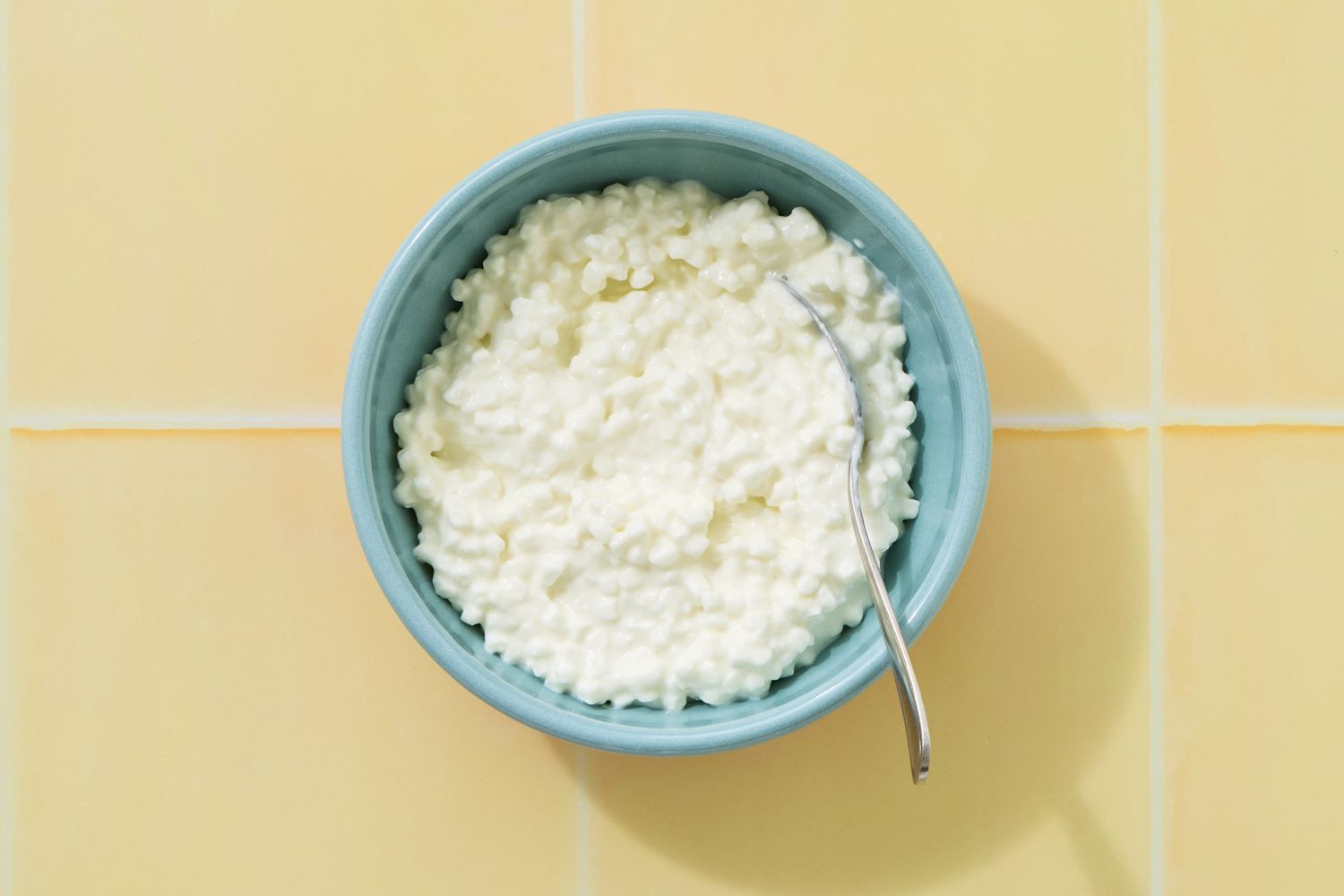
Ma enjoys Greek yogurt for its high protein content and added gut health benefits. Cottage cheese has a similar amount of protein, and both require minimal prep.
Fish
Fatty fish like salmon and sardines provide a combination of protein and heart-healthy fats.
Chicken and Turkey
Lean poultry is great because it provides a high amount of protein without excessive saturated fat and is easy to incorporate into everyday meals—we rely on it for one-pot dinners, kid-friendly dinners, and more
Lean Beef and Pork
Ma believes that all foods can fit into a healthy diet, even an occasional steak. When including beef or pork in your diet to hit your protein goals, she says to opt for the leanest, high-quality cuts you can find.
Best Plant-Based Protein Sources
So many plant-based protein sources provide a healthy dose of other nutrients alongside protein. When they are eaten in variety, they can easily support performance and overall health.
Beans and Lentils
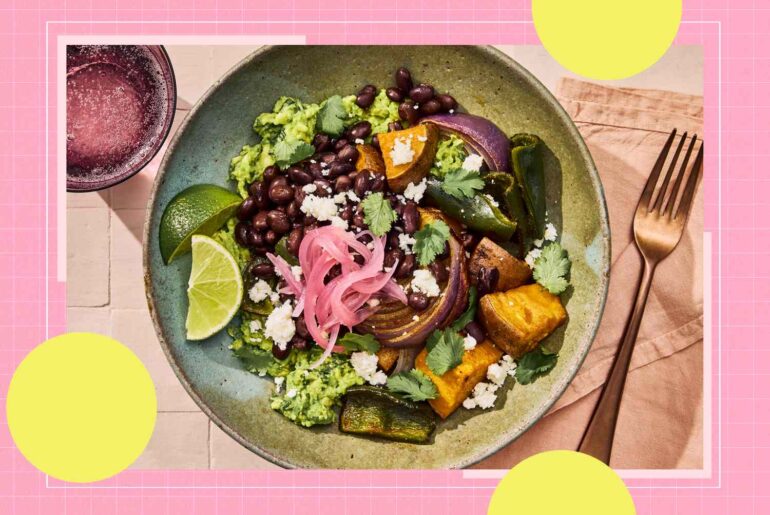
While these are not complete proteins, beans and lentils can easily be combined with grains like rice or quinoa to form a complete amino acid profile. They are nutrient-dense and also packed with fiber, iron, and folate, making them a great choice for energy levels and easy digestion.
Tofu, Tempeh, and Edamame
Soy is a powerhouse ingredient because it is a complete protein. At the same time, it provides fiber, antioxidants, and important micronutrients. It’s also one of the easiest things to cook with—you can sear both tofu and tempeh in cubes or slices, just like you would a chicken breast.
Nuts and Seeds
There are many options among nuts and seeds that are a good source of protein. Pistachios are one of Manaker’s standout favorites, offering 6 grams of protein per ounce. They are one of the few plant-based complete proteins, and they boast the benefits of healthy fats, fiber, and antioxidants. Their nutrient profile includes important vitamins and minerals like vitamin B6, potassium, and magnesium. An ounce is an easy snack, but can also be blended into dips, smoothies, or used to make homemade nut butter.
Whole Grains
Don’t overlook whole grains like quinoa, sorghum, and farro. While they are not a direct source of protein, when paired with other proteins like beans, they can create a new way to consume protein.