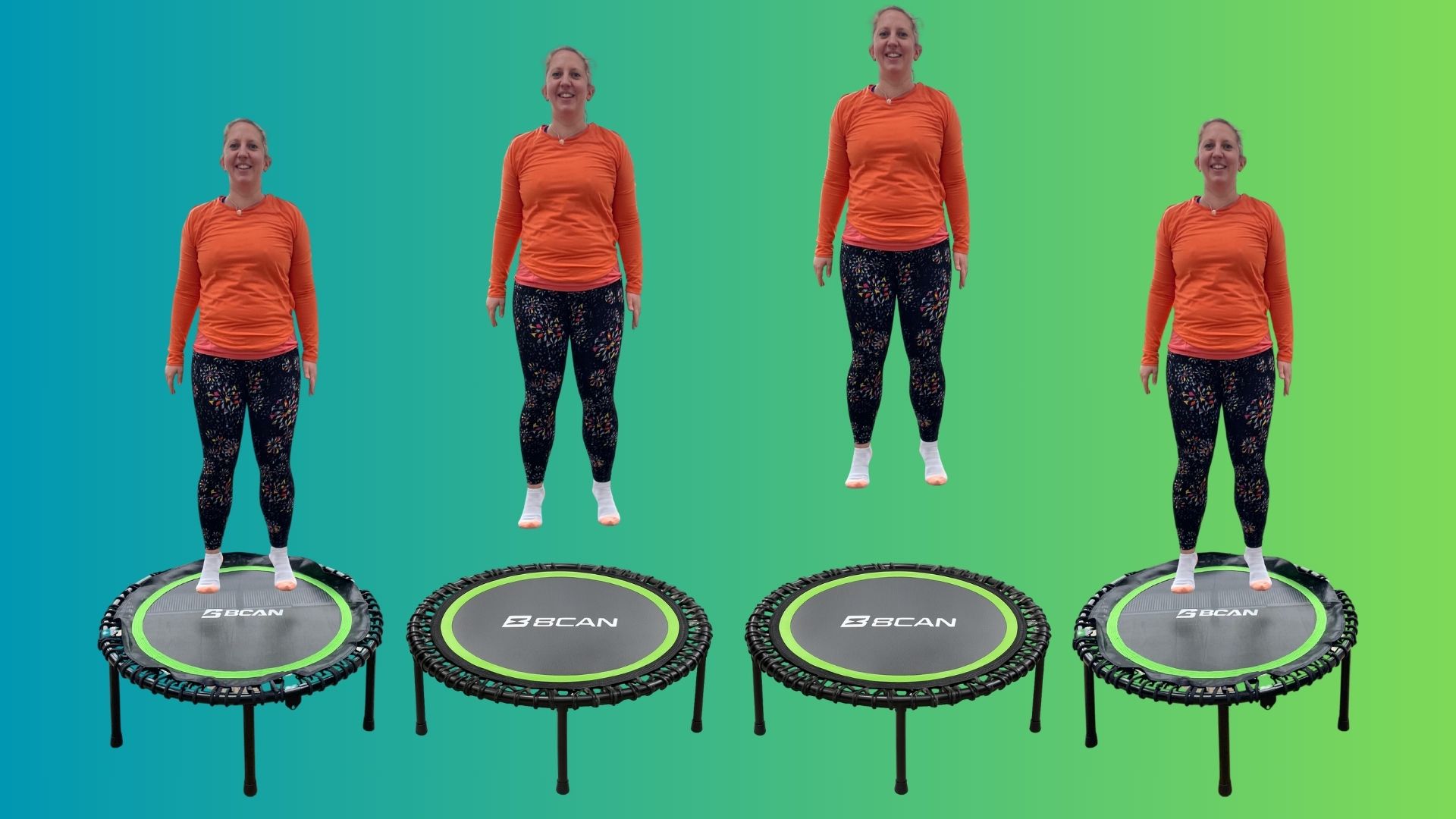
Jumping on trampolines might usually be associated with children, but the many health benefits are also making it a popular option among fitness-conscious adults—just check social media for the trending, high-energy rebounding workout classes.
And those taking part might be on to something. The exercise isn’t just a fun way to mix up your workouts, it’s great for improving stamina, muscle tone, bone mass, bone density, blood circulation and may well aid in lymphatic drainage.
“Jumping challenges the body in ways that many traditional exercises do not,” says Melissa Leach, a yoga instructor and strength and conditioning coach at Yoga-Go.
You may like
“The impact created when we jump stimulates bone growth, which is essential for maintaining bone density as we age.
“At the same time, it strengthens muscles, particularly the fast-twitch fibers—responsible for power, balance and quick reactions—helping prevent the loss of muscle mass that naturally occurs from the age of 30.”
I’m 41 years old now, so I know that I need to be doing both high and low-impact sports to help protect my bones from osteoporosis as I head into perimenopause.
I’ve been doing Pilates, running and strength training for a few years now, but trampolining wasn’t really on my radar until I ended up with a small fracture in my ankle.
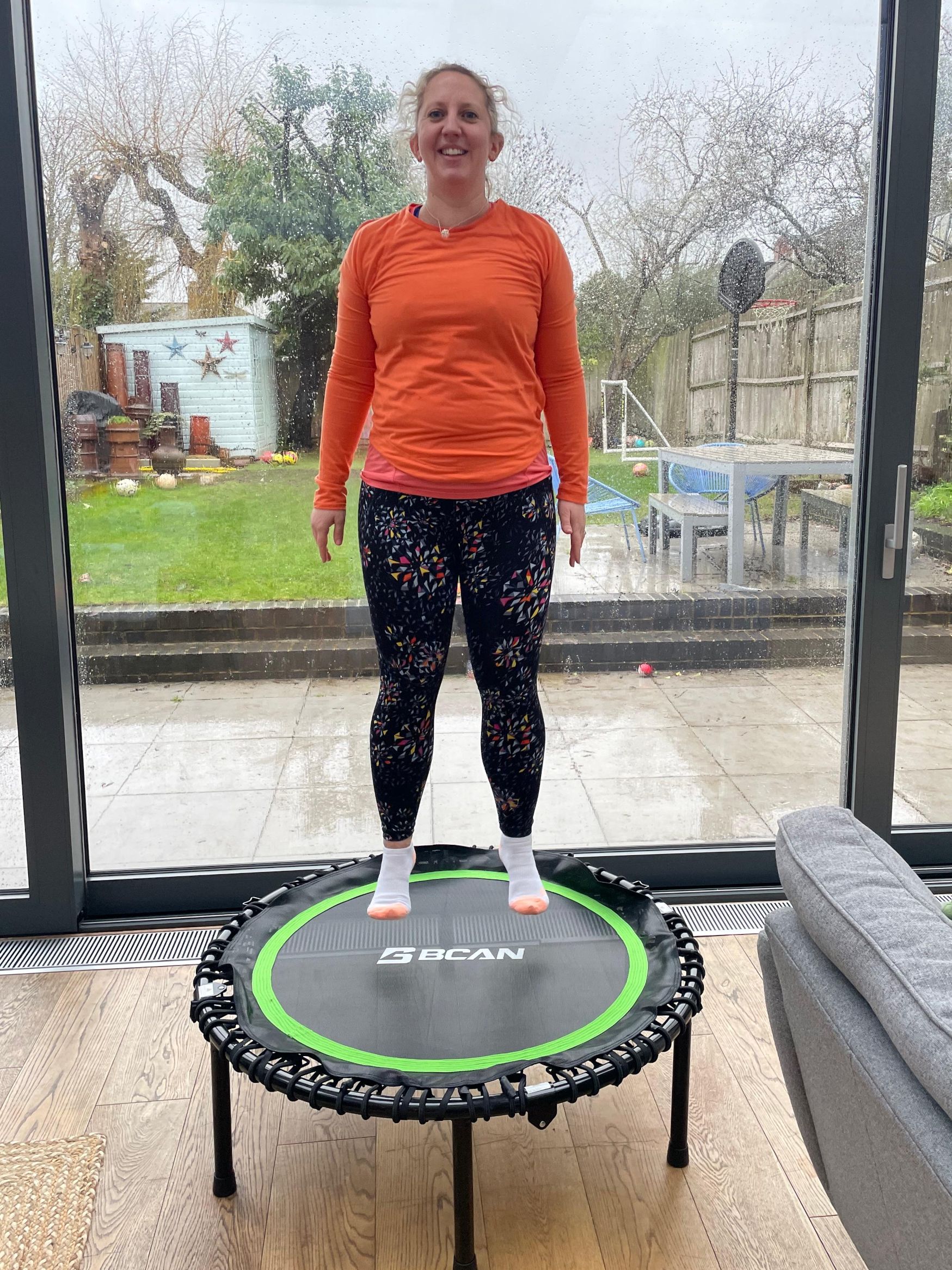
This injury means I’ve not been able to go running, or do many other high-impact exercises, but I was cleared to do low-impact activity, so when I was offered a trial of a BCAN rebounder trampoline, I jumped at the chance to see what all the hype is about.
I committed to using it every day for two weeks—here’s what happened.
(Image credit: Future / Kat Storr)
While I knew jumping on the trampoline would be challenging for my body, I didn’t expect it to be so mentally tough.
What to read next
For the first few days I was worried about falling off, jumping too high, or the trampoline inexplicably collapsing underneath me.
All very irrational fears, but I’d not been on a trampoline this size since I was very young, and a fair bit lighter.
During the first few days, I found even bouncing for a few minutes was exhausting, and my legs felt very strange when I got off and stood on stable ground again.
But these issues eased as I became more confident and started to be a bit braver with how high and fast I jumped.
I do a lot of weight-bearing exercise, but I don’t think I’ve ever done anything else that makes my calves burn as much as trampolining.
In the first week, I was only doing a maximum of 10 minutes a day, but this was enough for my lower legs to feel really fatigued. The bouncing was also having a noticeable effect on my glutes and quads.
I mixed up the types of bouncing that I did, to see the different ways it affected my muscles. I tried doing squat jumps to work my quads harder, and then tried tuck jumps, which engaged my glutes and core more.
I’ve really missed the cardio benefits of running while I’ve been recovering from my injured ankle, so it was nice to feel my heart pumping while I was jumping.
In the second week, I increased my daily trampoline time to 15 minutes and this was enough to get me very hot and sweaty. Loud and motivating tunes meant that the 15 minutes passed surprisingly quickly.
My pelvic floor is stronger than I thought
When I told friends about my trampolining, many were concerned for my pelvic floor and asked about potential leakages.
However, I was pleasantly surprised, it seems doing my two Pilates classes a week has strengthened my pelvic floor more than I’d realised—I didn’t feel any vulnerability when bouncing. I think it just made it even stronger.
Obviously, if you have any issues in this area, you should seek advice from a professional before trampolining.
You can do more than just jump
BEGINNER SERIE: full body trampoline workout with BCAN trampoline – YouTube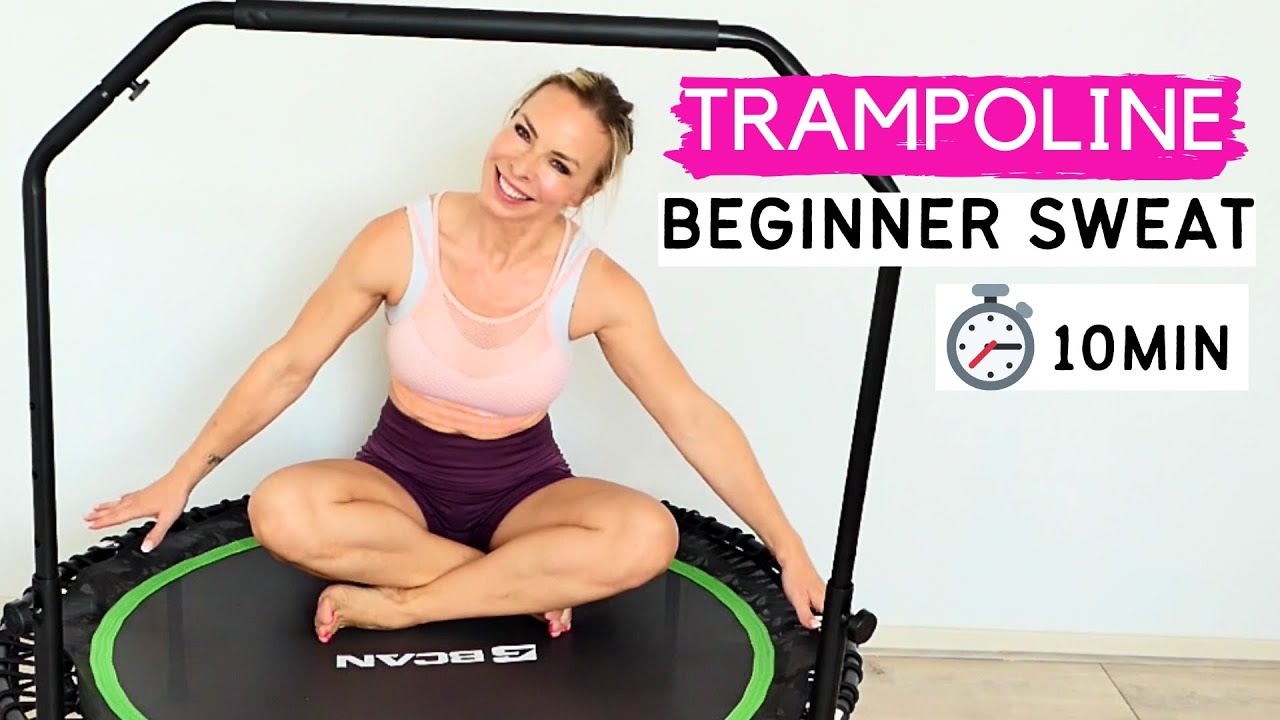
I’ve seen videos of people doing trampoline workout classes—and while it would take me a long time to get to their standard, they showed that you can do more than just jump.
You can jog (carefully) on a trampoline, you can hop on one leg for an extra thigh burn, and personally, I enjoyed using hand weights to do biceps curls while jumping.
These modifications stopped me from getting bored as the two weeks progressed, but also gave me more of a full-body workout. Other options, if you want to really feel the burn, could be to add wearable wrist or ankle weights—or both.
It’s been a wet and grey winter, so having a fun piece of equipment to take away my stress and keep me positive has been really useful.
Jumping releases mood-boosting endorphins and I couldn’t help but smile when I was doing it, even through the burn in my calves and quads. My family thought I was a bit mad, but that just made me bounce even higher!
Today’s best BCAN Rebounder Trampoline deals