Dr Oscar Duke warns taking too much vitamin D could harm your heart and kidneys during an appearance on BBC Morning Live on Wednesday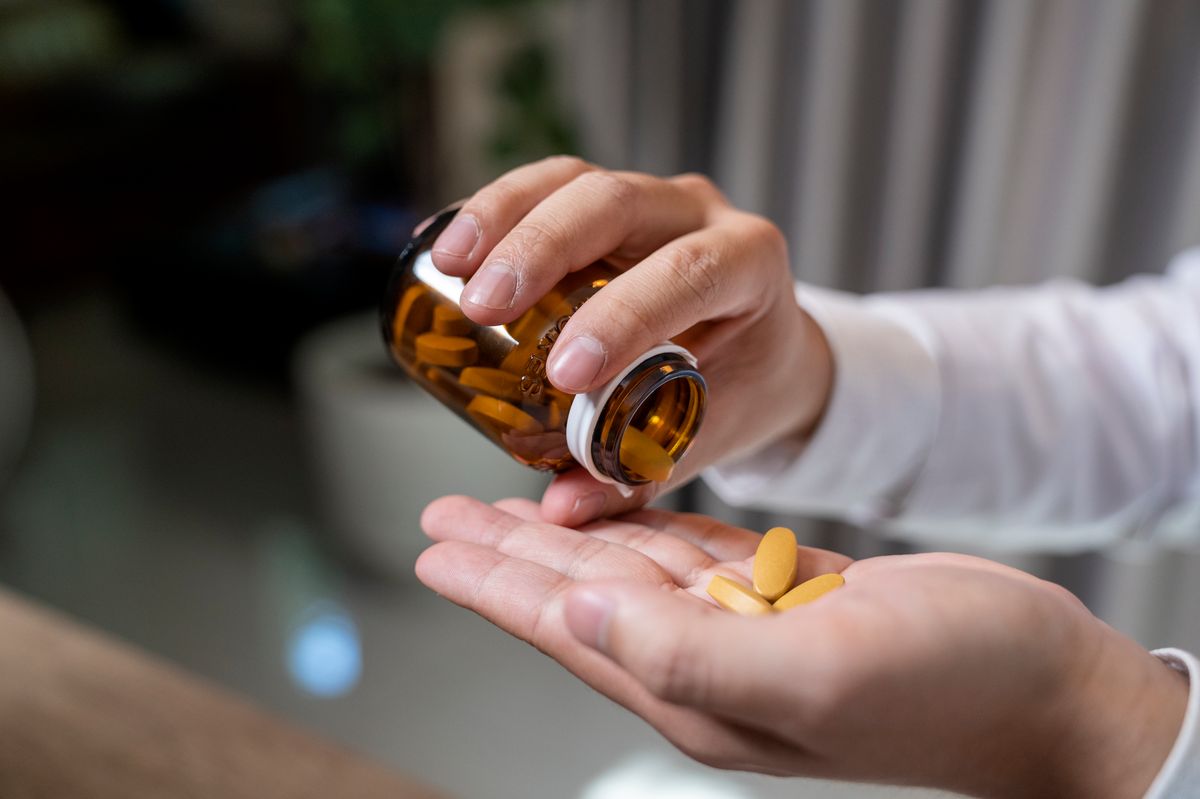
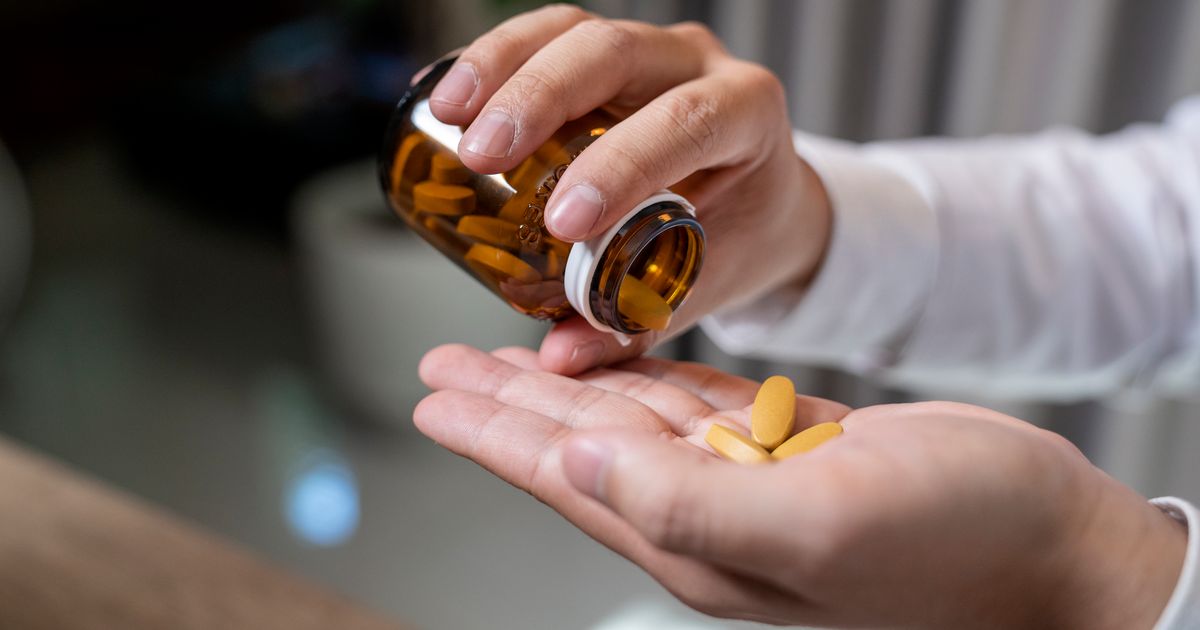
Exceeding the NHS recommendation could lead to severe consequences(Image: Getty Images)
A Vitamin D overdose warning has been issued as a doctor urges Brits to stick to the recommended dose. Dr Oscar Duke appeared on BBC Morning Live on Wednesday to explain the health risks of taking too much.
Vitamin D helps regulate calcium and phosphate in the body, which are essential for healthy bones, teeth, and muscles, according to the NHS. The health organisation also says it plays a vital role in supporting the immune system.
But given the British climate, it’s no surprise many people don’t get enough vitamin D naturally due to limited sunlight. Supplements are therefore recommended to make up the shortfall.
“In these winter and autumn months, it’s really important to supplement our vitamin D because we don’t get enough from sunlight in the UK,” Dr Oscar explained. However, taking too much can lead to serious health complications.
Content cannot be displayed without consent
He continued: “The NHS and government recommendation is that we take 400 international units of vitamin D a day during those autumn and winter months.” Adults and children over one year old are advised to take a daily 10 microgram supplement — equivalent to 400 IU — between October and early March.
Exceeding the recommended dose is relatively easy, as over-the-counter supplements often contain 800 to 1,000 IU. Dr Oscar warned: “If you’re getting over 4,000 international units, then you’re at potential risk of vitamin D overdose.”

Stomach problems is a common side effect(Image: Getty Images)
The NHS warns that taking too much vitamin D over long periods can cause calcium to build up in the body, a condition known as hypercalcaemia. “If you get too much calcium in your body, then that can affect your heart,” said Dr Duke. “You can get calcium stones in your kidneys, and it can really upset your tummy.”
While toxicity is considered rare, the Food Standards Agency advises that 4,000 IU (100 micrograms) per day is the safe upper limit for adults. Vitamin D deficiency remains common in the UK, with government data showing around one in six adults have low levels during winter, according to the National Diet and Nutrition Survey.
Dr Oscar Duke reminded viewers that sticking to the recommended dose is key to safely benefiting from vitamin D. Exceeding the safe limit can lead to serious health issues. Always check supplement labels and consult a doctor if unsure about your intake.
Ensure our latest headlines always appear at the top of your Google Search by making us a Preferred Source. Click here to activate or add us as your Preferred Source in your Google search settings